

Understanding Compression Hose for Women: Benefits and Use
Compression hose are not just ordinary socks. They come engineered with a precise pressure system that applies the tightest squeeze at your ankle and less as you go up the leg. That may sound like a small detail but it makes a huge difference. Studies show these garments can actually reduce the risk of blood clots in high-risk individuals by up to 60 percent. People expect these to help with swelling or aching legs but the science behind their pressure gradient goes way beyond comfort. There is a lot more at stake than just tired feet.
Table of Contents
- What Are Compression Hose And How Do They Function?
- Why Compression Hose Matter For Women’s Health
- The Benefits Of Wearing Compression Hose
- Key Features To Look For In Compression Hose
- Real-Life Applications And Stories Of Compression Hose
Quick Summary
| Takeaway | Explanation |
|---|---|
| Compression hose improve blood circulation. | These specialized garments apply targeted pressure, supporting venous return and preventing blood pooling in the legs. |
| Proper fitting is essential for effectiveness. | Selecting the right compression level and size based on individual needs enhances therapeutic benefits and comfort. |
| Women benefit from compression hose during pregnancy. | These garments help reduce swelling, minimize the risk of clots, and alleviate leg fatigue during pregnancy. |
| Athletes gain performance support from compression. | Incorporating compression hose can accelerate recovery, reduce soreness, and improve overall athletic performance. |
| Consult a healthcare professional for best results. | Professional advice ensures the selected compression garment meets specific health requirements and objectives. |
What are Compression Hose and How Do They Function?
Compression hose represent specialized medical garments designed to apply strategic pressure to your legs, promoting optimal blood circulation and supporting vascular health. Medical research from Mayo Clinic confirms these garments provide critical support for individuals experiencing various circulatory challenges.
Understanding Compression Mechanics
At their core, compression hose work through a precise pressure gradient mechanism. Unlike regular stockings, these therapeutic garments apply graduated compression, meaning they exert the most pressure at the ankle and gradually decrease pressure as they move up the leg. This strategic design helps counteract gravity and supports blood flow back toward the heart.
The pressure levels in compression hose are measured in millimeters of mercury (mmHg), typically ranging from mild (15-20 mmHg) to extra firm (30-40 mmHg). These specific pressure ranges determine their therapeutic effectiveness and are prescribed based on individual medical needs.
Key Physiological Benefits
Compression hose offer multiple critical physiological benefits:
- Prevent blood pooling in lower extremities
- Reduce leg swelling and discomfort
- Support venous return and circulation
- Minimize risk of blood clot formation
- Provide relief for varicose veins and lymphedema
For those interested in understanding proper fitting, our comprehensive compression stockings fitting guide provides detailed insights into selecting the right garment for individual needs.
Whether managing a specific medical condition or seeking preventative circulatory support, compression hose offer a scientifically backed solution for promoting leg health and overall vascular wellness.
This table organizes key physiological benefits of compression hose to provide a clear overview of their impact on leg health and why these garments are medically valuable for prevention and treatment.
| Benefit | What It Means |
|---|---|
| Prevents blood pooling | Reduces the risk of blood collecting in lower legs and feet |
| Reduces swelling | Minimizes fluid accumulation, particularly after long periods standing |
| Supports venous return and circulation | Enhances flow of blood back to the heart |
| Minimizes risk of blood clots | Lowers chances of deep vein thrombosis, especially in high-risk groups |
| Provides relief for varicose veins and lymphedema | Alleviates symptoms and discomfort from chronic vascular conditions |
Why Compression Hose Matter for Women’s Health
Research demonstrates that women experience unique physiological challenges making compression hose particularly beneficial for their health. These specialized garments offer targeted support during critical life stages and health conditions that disproportionately impact women.
Pregnancy and Circulatory Health
Pregnancy introduces significant changes to a woman’s circulatory system. As body weight increases and hormonal shifts occur, women become more susceptible to venous disorders. Compression hose provide critical support during this vulnerable period by:
- Reducing leg and ankle swelling
- Minimizing the risk of deep vein thrombosis
- Alleviating leg fatigue and discomfort
- Supporting improved blood circulation
- Preventing the development of varicose veins
Addressing Specific Female Health Conditions
Women are more likely to experience certain circulatory and venous conditions that make compression hose essential. Hormonal fluctuations, genetic predispositions, and lifestyle factors contribute to higher risks of:
- Lymphedema
- Venous insufficiency
- Chronic leg swelling
- Varicose and spider veins
- Postural circulatory challenges
For comprehensive guidance on managing these conditions, check out our detailed compression stockings guide that offers insights into selection and care.
Beyond medical necessity, compression hose represent a proactive approach to women’s health, offering support across various life stages from athletic performance to professional environments requiring prolonged standing.
The Benefits of Wearing Compression Hose
Clinical research confirms that compression hose provide substantial health advantages beyond basic comfort. These specialized garments offer a comprehensive approach to improving circulatory health and preventing potential medical complications.
Physical Health and Circulation Enhancement
Compression hose deliver remarkable physiological benefits that extend far beyond simple leg coverage. By applying strategic graduated pressure, these garments actively support the body’s natural circulatory mechanisms. Key physical health advantages include:
- Accelerating blood return to the heart
- Reducing muscle fatigue during extended standing
- Minimizing risk of blood clot formation
- Supporting lymphatic drainage
- Preventing leg and ankle swelling
Performance and Recovery Support
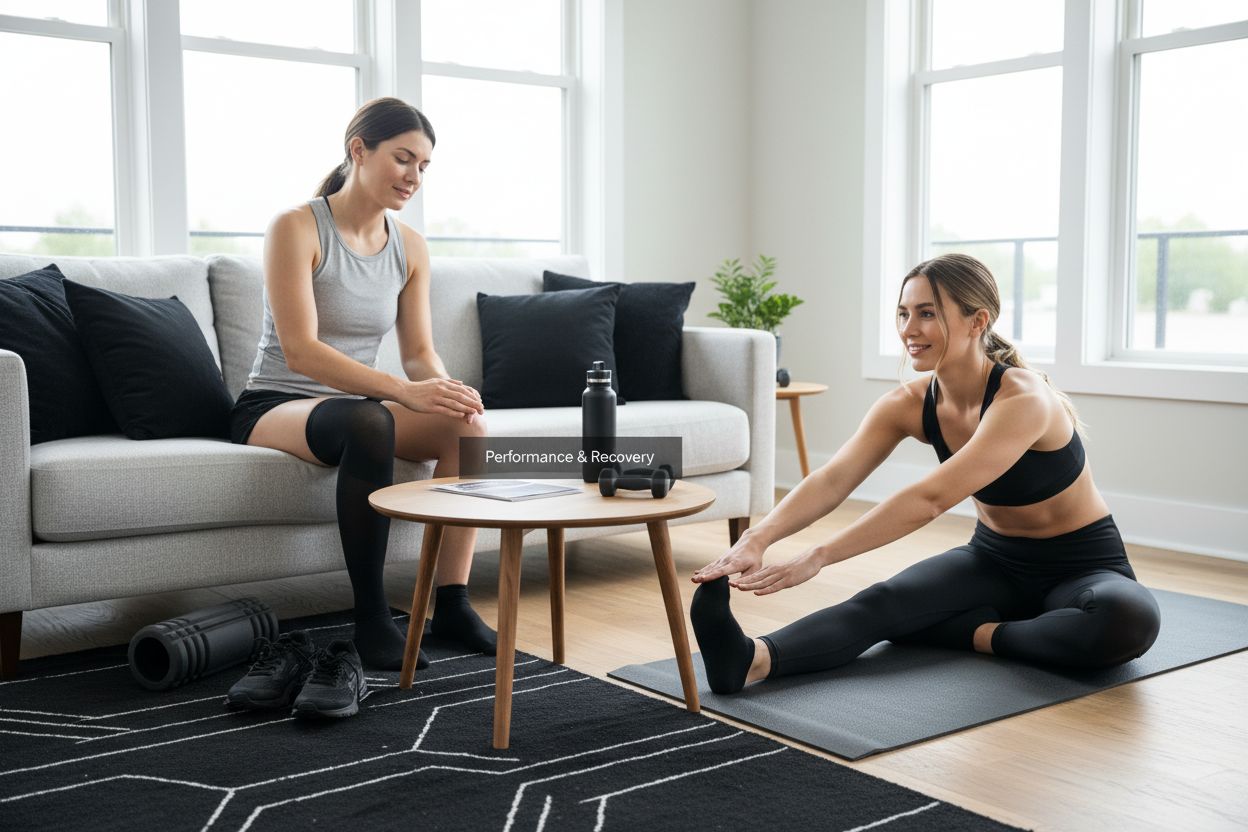
Athletes and active individuals discover significant performance advantages when incorporating compression hose into their wellness routine. Our comprehensive guide to compression socks for everyday use highlights how these garments can transform recovery and physical performance.
Whether you are a professional athlete, healthcare worker, frequent traveler, or someone managing chronic circulatory conditions, compression hose offer a proactive solution for maintaining optimal leg health. Their ability to provide consistent, therapeutic pressure makes them an essential tool for preventing potential vascular complications and supporting overall physical wellness.
Key Features to Look for in Compression Hose
Medical research emphasizes that selecting appropriate compression hose requires understanding specific technical and physiological parameters. Not all compression garments are created equal, making informed selection crucial for optimal therapeutic benefits.
Compression Pressure Levels
Compression hose are classified by their pressure gradient, measured in millimeters of mercury (mmHg). These pressure levels determine the garment’s medical effectiveness and specific application
The following table summarizes the different compression pressure levels recommended for compression hose and their typical applications, helping readers choose the level most appropriate for their needs.
| Compression Level (mmHg) | Example Use Cases | Typical Wearer |
|---|---|---|
| Mild (15-20 mmHg) | Daily wear, preventive care | Travellers, people with mild swelling |
| Moderate (20-30 mmHg) | Managing mild venous conditions | Pregnant women, individuals with mild varicose veins |
| Firm (30-40 mmHg) | Significant circulatory challenges | Patients with diagnosed venous insufficiency |
| Extra Firm (40-50 mmHg) | Severe vascular issues (under supervision) | Individuals with complex medical conditions |
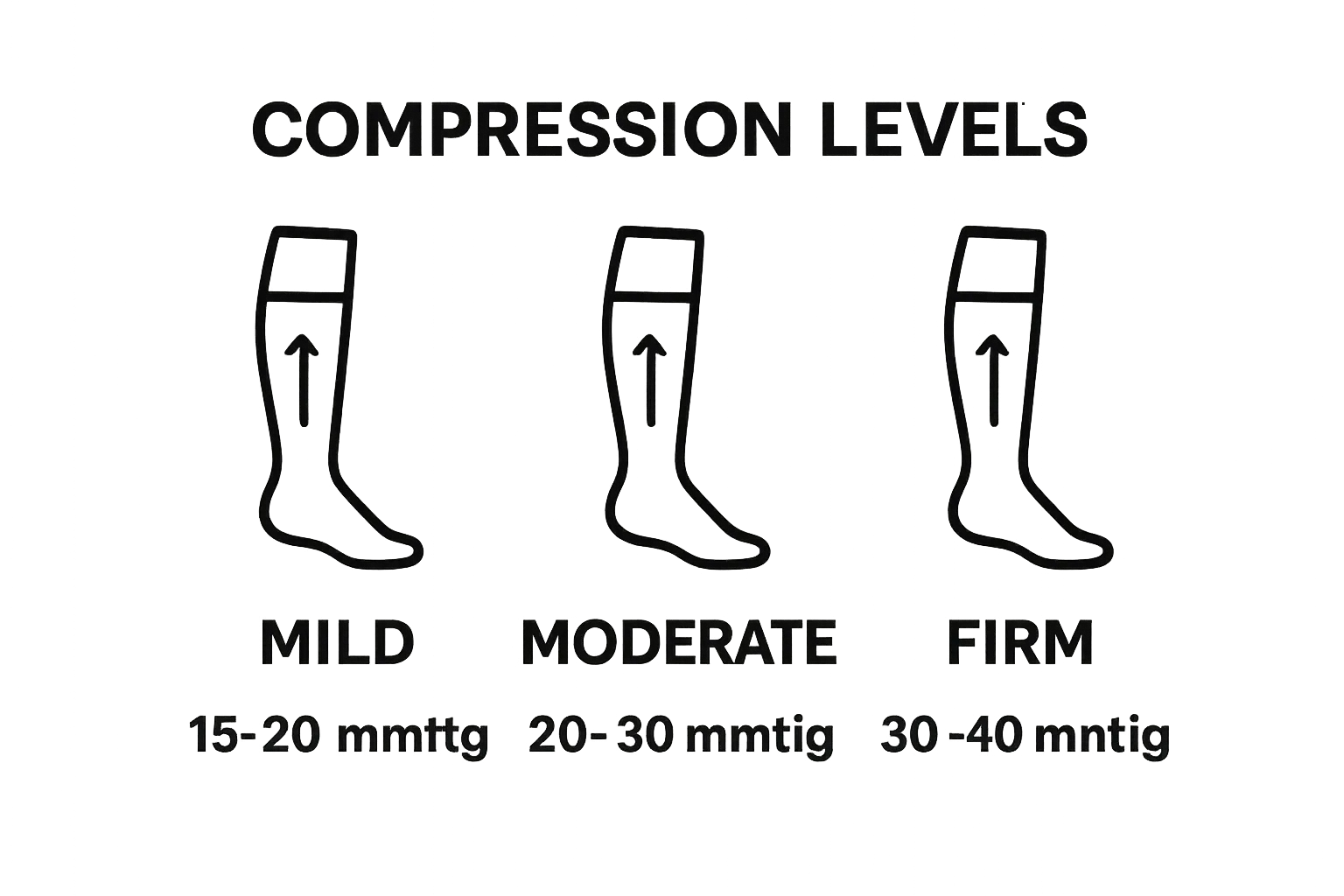
- Mild compression (15-20 mmHg): Ideal for daily wear and preventive care
- Moderate compression (20-30 mmHg): Recommended for managing mild venous conditions
- Firm compression (30-40 mmHg): Prescribed for significant circulatory challenges
- Extra firm compression (40-50 mmHg): Used under strict medical supervision
Material and Design Considerations
Beyond pressure levels, the fabric composition and construction play critical roles in comfort and effectiveness. Look for compression hose that offer:
- Breathable, moisture-wicking materials
- Seamless construction to prevent skin irritation
- Reinforced heel and toe areas for durability
- Elastic bands that prevent rolling or slipping
- Varied length options (knee-high, thigh-high, full-length)
Our comprehensive guide on choosing compression socks provides additional insights into selecting the perfect garment for individual needs.
Ultimately, compression hose are not a one-size-fits-all solution. Consulting with healthcare professionals ensures you select a garment that precisely matches your physiological requirements and health objectives.
Real-Life Applications and Stories of Compression Hose
Clinical case studies reveal remarkable transformations in individuals’ lives through strategic compression hose usage. These garments transcend medical accessories, becoming essential tools for managing diverse health challenges and improving quality of life.
Professional and Athletic Recovery
Professionals with physically demanding careers find compression hose invaluable for managing workplace strain. Nurses, flight attendants, teachers, and retail workers who spend extended hours standing discover significant relief through targeted compression therapy. Athletes similarly leverage these garments for:
- Reducing muscle recovery time
- Minimizing post-exercise soreness
- Preventing leg fatigue during intense training
- Supporting joint stability
- Improving overall athletic performance
Medical Management and Personal Wellness
Individuals managing specific health conditions experience transformative benefits from compression hose. Women navigating complex medical landscapes find these garments particularly supportive in addressing conditions such as:
- Lymphedema management
- Post-surgical recovery
- Pregnancy-related leg swelling
- Varicose vein prevention
- Chronic venous insufficiency
Learn more about understanding different compression levels to discover how these specialized garments can be personalized for individual wellness needs.
Beyond medical utility, compression hose represent a proactive approach to personal health management. They empower individuals to take control of their circulatory wellness, offering both preventative care and therapeutic support across diverse life scenarios.
Discover the Right Compression Hose for Every Woman’s Needs
If you have ever struggled with achy legs, swelling from long days on your feet, or circulation problems tied to pregnancy or chronic conditions, then you know relief is essential. This article explored the science behind compression hose, showing how they improve blood flow, reduce swelling, and support women through every stage of life. But finding the right fit can be overwhelming without trusted guidance and tailored options.
Take action now to address your unique circulatory challenges by exploring Waist High (Pantyhose) solutions specifically designed for women’s comfort and medical needs. Our curated collection at Fit Stockings features premium compression garments from trusted brands including Jobst, in the exact styles and compression levels discussed in this guide. Shop now to experience improved leg health and discover how the right compression therapy can transform your daily comfort. Don’t wait—visit Fit Stockings to find your personalized solution today.
Frequently Asked Questions
What are compression hose and how do they work?
Compression hose are specialized medical garments designed to apply graduated pressure to the legs, enhancing blood circulation and supporting vascular health by exerting the most pressure at the ankle and gradually decreasing it as it moves up the leg.
What are the benefits of wearing compression hose for women?
Compression hose offer several benefits for women, including reducing leg swelling, minimizing the risk of deep vein thrombosis, alleviating leg fatigue, supporting improved blood circulation, and preventing varicose veins, especially during pregnancy or specific health conditions.
How do I choose the right compression level for my needs?
Compression hose are categorized by pressure levels measured in mmHg: mild (15-20 mmHg) for daily wear, moderate (20-30 mmHg) for mild venous conditions, firm (30-40 mmHg) for significant challenges, and extra firm (40-50 mmHg) under medical supervision. Consult a healthcare professional for personalized recommendations.
Can compression hose be worn during pregnancy?
Yes, compression hose are particularly beneficial during pregnancy as they help reduce swelling in the legs and ankles, lower the risk of blood clots, alleviate leg fatigue, and support better blood circulation throughout the body.