

Understanding Foods That Support Blood Flow Naturally
Blood flow is the lifeline that fuels everything from brain power to workout recovery. And while most people think exercise is the main way to keep circulation strong, research shows that your diet can actually be a game changer. In fact, antioxidant-rich foods have been proven to protect blood vessels and improve vascular function—sometimes even more effectively than certain supplements. What you eat does more for your circulation than you might expect.
Table of Contents
- What Are Foods That Support Blood Flow?
- Why Blood Flow Matters for Your Health
- The Role of Nutrients in Promoting Circulation
- How Different Foods Impact Blood Vessel Health
- Connecting Diet to Vein and Circulatory Conditions
Quick Summary
| Takeaway | Explanation |
|---|---|
| Consume antioxidant-rich foods | Foods high in antioxidants help neutralize free radicals, supporting overall vascular health and reducing inflammation in blood vessels. |
| Prioritize omega-3 fatty acids | Omega-3s reduce inflammation in arterial walls, promoting healthy blood flow and improving circulation efficiency. |
| Increase intake of nitrate-rich foods | Foods rich in nitrates help dilate blood vessels, enhancing blood flow and lowering blood pressure, supporting cardiovascular health. |
| Limit processed and high-sugar foods | Such foods can negatively impact blood vessel health, leading to inflammation and potential circulatory issues, so minimizing their intake is vital. |
| Adopt a balanced diet for vascular health | A comprehensive approach emphasizing a variety of nutrient-dense foods can effectively support circulatory wellness and prevent vascular diseases. |
What Are Foods That Support Blood Flow?
Understanding which foods naturally support blood circulation is crucial for maintaining optimal cardiovascular health. Blood flow represents a fundamental biological process that delivers oxygen and essential nutrients throughout the body, supporting everything from brain function to muscle performance.
The Science of Nutritional Blood Flow Support
Blood flow depends on complex interactions between nutrients, blood vessels, and cellular mechanisms. Research from Harvard Medical School indicates certain foods can significantly enhance vascular function by promoting endothelial health and reducing inflammatory responses.
Specifically, foods rich in specific compounds can help support blood circulation through several key mechanisms:
- Improving blood vessel elasticity
- Reducing inflammation in arterial walls
- Enhancing nitric oxide production
- Supporting healthy red blood cell function
Nutritional Strategies for Circulatory Health
Optimal blood flow requires a comprehensive nutritional approach. While individual foods offer benefits, combining multiple nutrient-dense options creates a synergistic effect. Antioxidant-rich foods play a particularly important role in supporting vascular health by neutralizing free radicals that can damage blood vessel walls.
Interested readers can read more about supporting vein health through nutrition, which provides additional insights into maintaining robust circulatory systems.
Understanding how diet influences blood flow empowers individuals to make proactive choices about their cardiovascular wellness. By incorporating nutrient-rich foods strategically, you can naturally support your body’s circulatory infrastructure and promote long-term health.
Why Blood Flow Matters for Your Health
Blood flow represents more than just a biological function it is the fundamental lifeline that sustains every aspect of human health. Optimal circulation ensures that critical nutrients, oxygen, and cellular resources reach every tissue and organ system efficiently.
The Critical Role of Circulatory Health
Research from the National Institutes of Health highlights that impaired blood flow can significantly impact multiple physiological systems. Poor circulation creates cascading health challenges that extend far beyond simple cardiovascular concerns.
The body relies on robust blood flow for several essential functions:
- Delivering oxygen to brain cells
- Removing metabolic waste products
- Supporting immune system responses
- Regulating body temperature
- Promoting wound healing processes
Systemic Implications of Circulation
When blood flow becomes compromised, individuals may experience widespread health consequences. Reduced circulation can manifest through various symptoms, including chronic fatigue, cognitive decline, muscle weakness, and increased susceptibility to infections.
Learn more about understanding microcirculation to gain deeper insights into how blood flow impacts your overall wellness. Understanding these intricate biological mechanisms empowers individuals to take proactive steps toward maintaining optimal circulatory health.
Every system in the human body depends on efficient blood flow. From mental clarity to physical performance, circulation represents the fundamental transportation network that keeps us functioning at our best. Recognizing its importance is the first step toward implementing strategies that support long-term health and vitality.
The Role of Nutrients in Promoting Circulation
Nutrients play a pivotal role in maintaining and enhancing blood circulation, serving as fundamental building blocks that support vascular health. The intricate relationship between specific nutrients and circulatory function demonstrates how dietary choices directly impact our body’s transportation network.
Nutrients Essential for Vascular Performance
Research from the National Institutes of Health reveals that certain nutrients possess remarkable capabilities in supporting blood vessel function and overall circulatory efficiency. These nutritional compounds work through complex biochemical mechanisms to promote healthy blood flow.
Key nutrients critical for circulatory support include:
- Vitamin E (antioxidant properties)
- Omega-3 fatty acids
- Nitrate-rich compounds
- Flavonoids
- Magnesium
Biochemical Mechanisms of Nutritional Circulation Support
Specific nutrients interact with blood vessels in sophisticated ways that enhance circulation. Omega-3 fatty acids, for instance, reduce inflammation in arterial walls, while nitrate-rich foods help dilate blood vessels, improving overall blood flow efficiency.
Learn more about improving circulation naturally to gain deeper insights into how nutritional strategies can support your cardiovascular health.
Understanding the intricate connection between nutrients and circulation empowers individuals to make informed dietary choices.
The following table summarizes key nutrients that support blood vessel health, along with their primary mechanisms of action based on the article’s content.
| Nutrient | Main Action on Blood Flow | Example Foods |
|---|---|---|
| Antioxidants | Neutralize free radicals, reduce inflammation | Berries, leafy greens |
| Omega-3 Fatty Acids | Reduce inflammation in arterial walls | Fatty fish, walnuts |
| Nitrate-Rich Compounds | Dilate blood vessels, enhance nitric oxide | Beets, spinach |
| Flavonoids | Improve endothelium function, vessel elasticity | Dark chocolate, citrus |
| Magnesium | Supports vessel relaxation and cellular repair | Almonds, pumpkin seeds |

How Different Foods Impact Blood Vessel Health
Food is not merely sustenance but a powerful modulator of vascular function. What we consume directly influences the health, flexibility, and performance of our blood vessels, creating either supportive or detrimental conditions for circulatory wellness.
Nutritional Influences on Vascular Integrity
Research published in the Journal of Nutritional Biochemistry demonstrates that dietary choices profoundly impact blood vessel structure and functionality. Different food components interact with cellular mechanisms, triggering complex physiological responses that can either enhance or compromise vascular health.
Foods can impact blood vessel health through multiple mechanisms:
- Modifying inflammatory responses
- Promoting or reducing oxidative stress
- Influencing endothelial cell function
- Regulating blood vessel elasticity
- Supporting cellular repair processes
Positive and Negative Dietary Impacts
Certain food groups significantly influence blood vessel performance. Anti-inflammatory foods like leafy greens and fatty fish support vessel health, while processed foods and high-sugar diets can cause progressive damage to blood vessel walls.
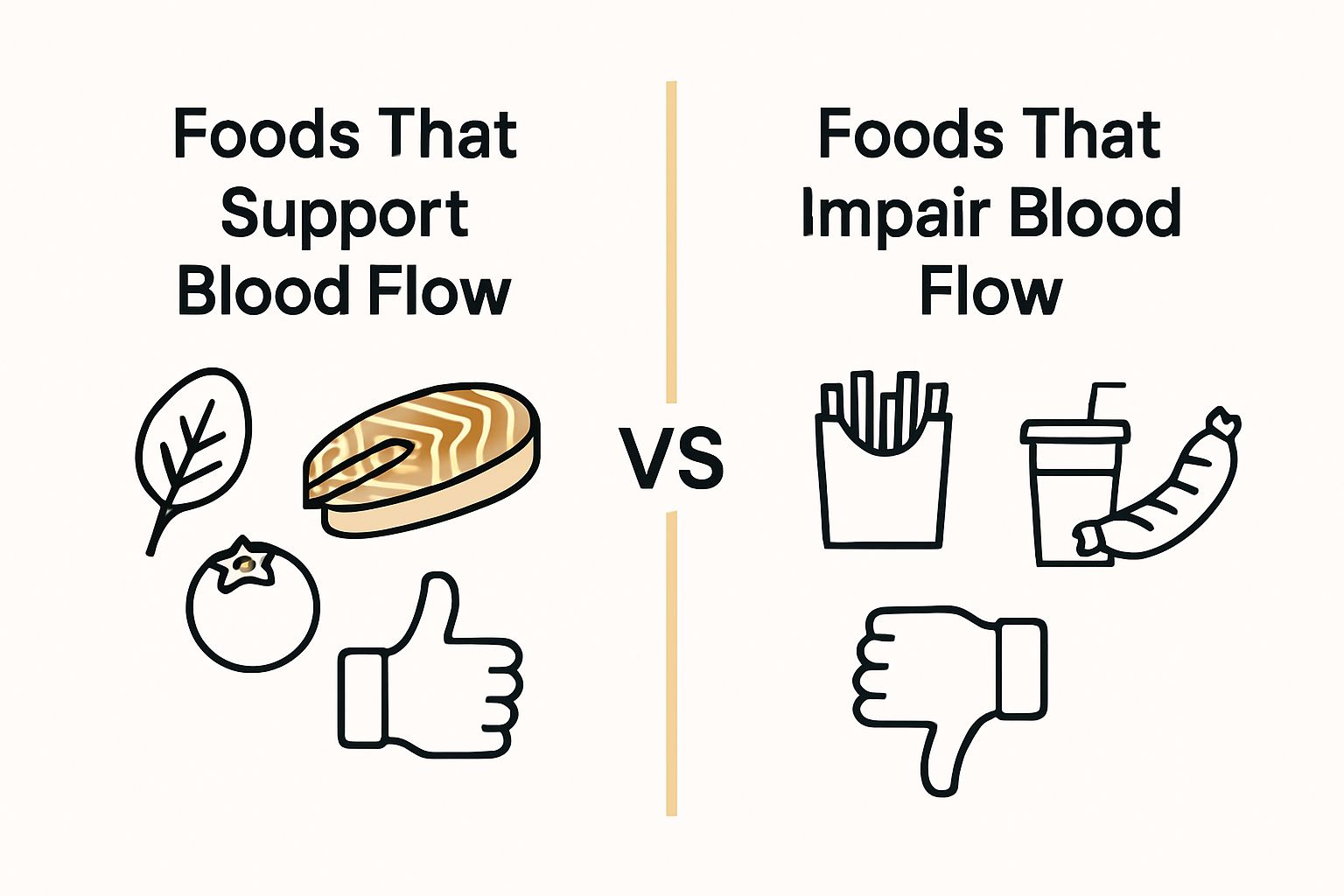
Learn more about how to boost leg circulation to understand the comprehensive strategies for maintaining vascular wellness.
Understanding the nuanced relationship between nutrition and blood vessel health empowers individuals to make strategic dietary choices. By consciously selecting foods that support vascular integrity, you can actively contribute to long-term cardiovascular resilience and overall physiological performance.
This table compares the positive and negative dietary impacts on blood vessel health as described in the article to help readers make informed nutrition choices.
| Dietary Impact | Supporting Foods | Effects on Blood Vessel Health |
|---|---|---|
| Positive Impact | Leafy greens, fatty fish, berries | Enhance vessel integrity, reduce inflammation |
| Negative Impact | Processed foods, high-sugar foods | Increase inflammation, damage vessel walls |
Connecting Diet to Vein and Circulatory Conditions
Nutrition plays a critical role in managing and preventing vein-related health conditions, serving as a foundational strategy for maintaining optimal circulatory system performance. The foods we consume can either mitigate or exacerbate potential vascular complications.
Dietary Factors in Vascular Disease Prevention
Research published in medical journals highlights the profound connection between dietary choices and vascular health. Specific nutritional interventions can significantly influence the progression and development of circulatory conditions.
Key dietary considerations for vein and circulatory health include:
- Reducing inflammatory food consumption
- Increasing antioxidant-rich nutrients
- Maintaining balanced nutrient intake
- Supporting metabolic efficiency
- Minimizing processed food consumption
Nutritional Strategies for Circulatory Wellness
Comprehensive dietary approaches can help manage circulatory challenges. Consuming foods that promote blood vessel elasticity and reduce inflammation becomes crucial in preventing conditions like varicose veins, venous insufficiency, and potential cardiovascular complications.
Learn more about preventing venous complications to understand comprehensive strategies for maintaining vascular health.
Understanding the intricate relationship between nutrition and circulatory function empowers individuals to make proactive health choices. By strategically selecting foods that support vascular integrity, you can potentially reduce the risk of developing chronic circulatory conditions and enhance overall physiological resilience.
Take Action for Better Circulation and Lasting Comfort
If you are exploring how nutrition helps support blood flow naturally, you already understand the daily struggles of poor circulation. Fatigue, heavy legs, or discomfort from standing or sitting too long can become overwhelming, no matter how carefully you choose your foods. Even with the best dietary habits, some conditions—like varicose veins or chronic swelling—need additional support for true relief.
Fit Stockings offers a solution that works perfectly alongside your nutrition plan. Our medical-grade compression stockings are designed for people who want to improve circulation, reduce leg pain, and prevent complications from vein or lymphatic conditions. Every product is tailored to deliver reliable support, helping you take control of your health right now. Ready to make a meaningful change? Visit Fit Stockings to discover detailed guidance for choosing the right compression therapy and order with confidence today.
Frequently Asked Questions
What foods naturally support blood flow?
Foods like leafy greens, fatty fish, berries, and nuts are excellent for enhancing blood circulation. Incorporate a variety of these foods into your meals daily to maximize their benefits for your cardiovascular health.
How do nutrients in food impact blood flow?
Specific nutrients like Omega-3 fatty acids and antioxidants help reduce inflammation and improve blood vessel function, enhancing circulation. Focus on including these nutrients in your diet to promote better blood flow over time.
Can I improve my circulation quickly with dietary changes?
While improving circulation can take time, adopting a diet rich in foods supporting blood flow can yield noticeable effects in a few weeks. Consider aiming to include at least 2-3 servings of circulation-boosting foods daily to start seeing improvements within 30 days.
Are there foods I should avoid for better blood circulation?
Yes, limit processed foods and those high in sugar and unhealthy fats, as they can impair blood vessel function. Start by reducing these foods in your diet and replacing them with healthier alternatives to support optimal blood circulation.
How can antioxidants specifically help my blood flow?
Antioxidants neutralize harmful free radicals that can damage blood vessels, thereby promoting better vascular health. Incorporate antioxidant-rich foods like berries, dark chocolate, and leafy greens into your daily meals to enhance your circulatory system’s resilience.
What lifestyle changes can complement my diet to improve blood circulation?
Alongside dietary changes, regular physical activity can greatly enhance blood flow by strengthening your heart and improving vessel elasticity. Aim for at least 150 minutes of moderate exercise each week to effectively support your circulatory system.