

Inflammation Explained: Complete Guide for Vein Health
Nearly every time your body gets hurt or fights off germs, it relies on inflammation to defend and heal itself. This natural response is far more complex than just redness or swelling. Without inflammation, even a simple cut could turn dangerous. Understanding how and why your body triggers this powerful process helps you spot problems early and keep your health on track. Find out what really happens during inflammation and why it matters for your long-term wellbeing.
Table of Contents
- What Is Inflammation? Core Concepts Explained
- Types of Inflammation: Acute Versus Chronic
- Symptoms and Causes of Inflammatory Responses
- How Inflammation Impacts Circulatory Health
- Prevention, Treatment, and Compression Solutions
Key Takeaways
| Point | Details |
|---|---|
| Role of Inflammation | Inflammation is a vital immune response that defends against threats like pathogens and promotes healing. |
| Types of Inflammation | Acute inflammation is a short-term response, while chronic inflammation can lead to long-term health issues like heart disease. |
| Symptoms and Causes | Key symptoms include redness, swelling, heat, pain, and loss of function, triggered by infections, trauma, or chronic diseases. |
| Management Strategies | Effective inflammation management includes medical treatments, lifestyle modifications, and non-invasive solutions like compression therapy. |
What Is Inflammation? Core Concepts Explained
When your body encounters a potential threat, it launches a sophisticated defense mechanism known as inflammation. According to WebMD, inflammation is a critical process where your white blood cells and their biological compounds protect you from external invaders like bacteria and viruses.
At its core, inflammation is your immune system’s strategic response to potential harm. Cleveland Clinic explains that this biological reaction occurs when your body detects an irritant, which could include pathogens, damaged cells, or toxic compounds. Think of inflammation like your body’s emergency response team – always ready to neutralize threats and initiate healing.
The inflammatory process typically manifests through several recognizable signs:
- Redness: Increased blood flow to the affected area
- Swelling: Accumulation of protective immune cells
- Heat: Elevated temperature as immune responses activate
- Pain: Nerve stimulation signaling ongoing repair processes
While inflammation is often perceived negatively, it’s actually a crucial protective mechanism. Your body uses this complex biological response to isolate and eliminate harmful stimuli, allowing damaged tissue to begin the healing process. Without inflammation, even minor injuries could become life-threatening infections, demonstrating how this seemingly uncomfortable reaction is fundamentally a protective strategy.
Types of Inflammation: Acute Versus Chronic
Inflammation comes in two distinct forms, each playing a unique role in your body’s defense mechanism. Harvard Health provides a clear distinction between these two critical types: acute inflammation and chronic inflammation.
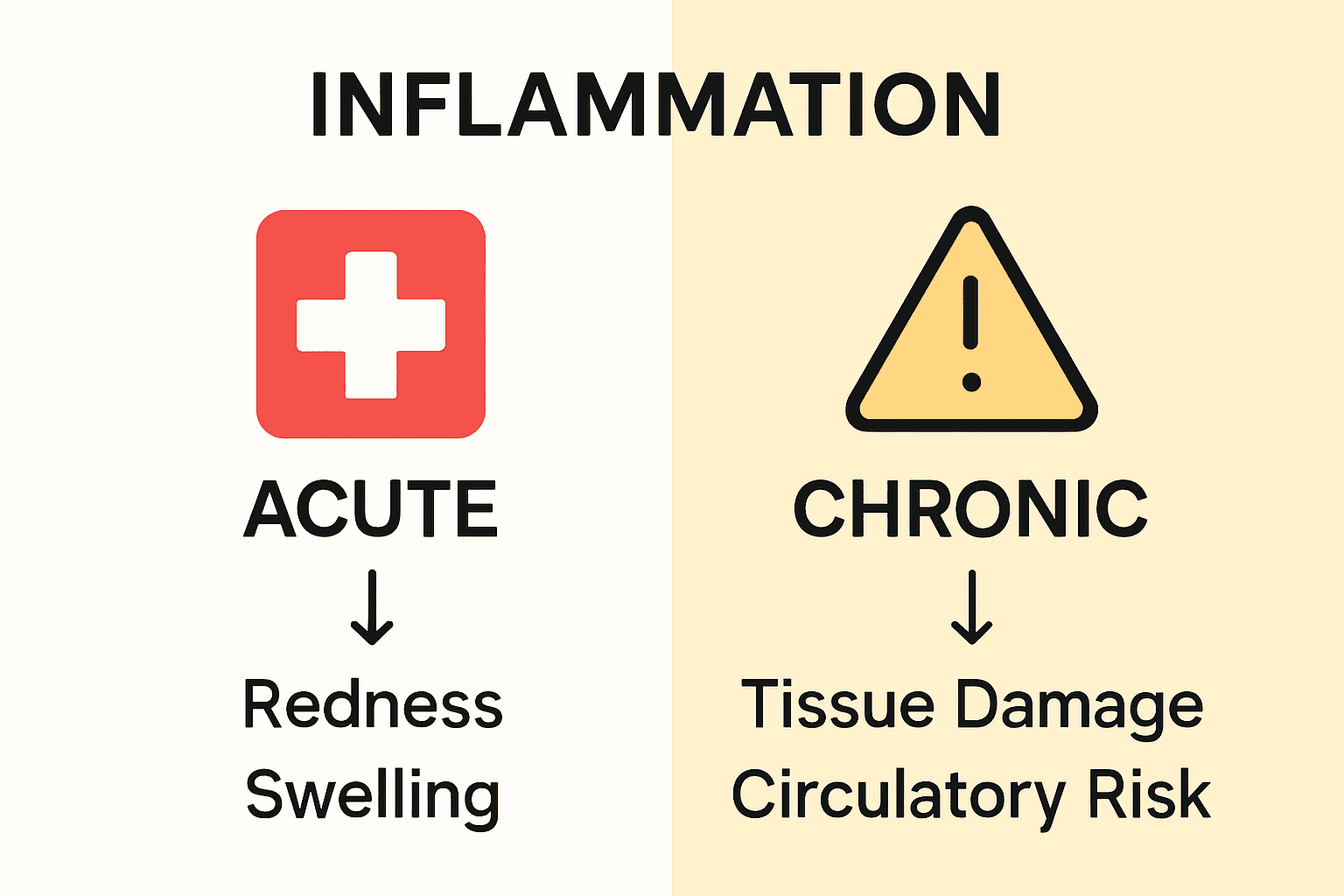
Acute inflammation is your body’s immediate, short-term response to injury or infection. National University of Singapore Medicine describes it as a rapid host response designed to deliver protective leukocytes and plasma proteins to sites of tissue damage. Picture it like a swift emergency response team that rushes to patch up a wound or fight off an invading virus. The classic signs are unmistakable:
- Redness: Blood rushing to the affected area
- Swelling: Tissues expanding to contain the threat
- Heat: Increased temperature to create an inhospitable environment for pathogens
- Pain: A signal that triggers protective behavior and healing
In contrast, chronic inflammation is a persistent, long-term inflammatory response that can become problematic. Unlike acute inflammation’s helpful short-term strategy, chronic inflammation can actually cause tissue damage over time. This type of inflammation is often silent, simmering beneath the surface and potentially contributing to various health conditions such as heart disease, diabetes, and certain cancers. It’s like a smoldering fire that continuously burns, gradually wearing down your body’s defenses instead of protecting them.
Symptoms and Causes of Inflammatory Responses
Inflammatory responses are complex biological signals that your body uses to communicate and defend itself against potential threats. WebMD highlights the key symptoms that indicate an inflammatory process is underway, providing crucial insights into how your body responds to different challenges.
Recognizable Symptoms
The classic signs of inflammation are both distinctive and purposeful. According to Cleveland Clinic, these symptoms represent your body’s strategic defense mechanism:
- Redness: Increased blood flow to the affected area
- Swelling: Tissues expanding to contain potential threats
- Heat: Elevated temperature creating an inhospitable environment for pathogens
- Pain: Nerve signals alerting you to protect the injured region
- Loss of Function: Temporary limitation to prevent further damage
Causes of inflammatory responses are equally diverse and complex. They can stem from numerous sources, ranging from external physical injuries to internal biological disruptions. Some primary triggers include:
- Infections: Bacterial, viral, or fungal invasions
- Physical Trauma: Cuts, bruises, sprains, or surgical procedures
- Chronic Diseases: Conditions like arthritis, diabetes, and heart disease
- Autoimmune Disorders: Where the immune system mistakenly attacks healthy tissue
- Environmental Exposures: Toxins, allergens, or prolonged stress
Understanding these symptoms and causes is crucial for recognizing when your body is mounting a defensive response.
 While inflammation is typically a protective mechanism, persistent or inappropriate inflammatory reactions can signal underlying health challenges that may require professional medical attention.
How Inflammation Impacts Circulatory Health
Inflammation’s relationship with circulatory health is complex and profound. Harvard Health reveals a critical connection between chronic inflammation and cardiovascular diseases, highlighting how ongoing inflammatory processes can significantly compromise your blood vessel function and overall circulation.
One of the most serious impacts occurs in your arteries. Wikipedia explains that chronic inflammation contributes to atherosclerosis, a condition where inflammatory processes lead to plaque buildup within arterial walls. These plaques gradually narrow blood vessels, restricting blood flow and increasing risks of serious cardiovascular events like heart attacks and strokes.
The mechanisms of circulatory damage are multifaceted:
- Endothelial Dysfunction: Inflammation damages the inner lining of blood vessels
- Plaque Formation: Continuous inflammatory responses trigger cholesterol accumulation
- Reduced Elasticity: Chronic inflammation stiffens arterial walls
- Impaired Blood Flow: Narrowed vessels reduce overall circulation efficiency
To protect your circulatory health, managing inflammation becomes crucial. Understanding how to improve circulation naturally can provide additional insights into maintaining healthy blood vessels and mitigating inflammatory risks. By adopting lifestyle strategies that reduce chronic inflammation, you can support your body’s cardiovascular system and potentially prevent long-term circulatory complications.

Prevention, Treatment, and Compression Solutions
Inflammation management requires a comprehensive approach that combines medical interventions and lifestyle strategies. WebMD highlights multiple treatment options designed to reduce inflammatory responses and support overall health.
Medical treatments play a crucial role in managing inflammation. Cleveland Clinic recommends several key interventions:
- Pharmaceutical Solutions: NSAIDs and corticosteroids to reduce inflammation
- Physical Therapy: Targeted exercises to improve circulation and reduce swelling
- Lifestyle Modifications: Diet and exercise changes to minimize inflammatory triggers
Compression therapy emerges as a powerful non-invasive solution for managing inflammatory symptoms. These specialized garments provide targeted support by:
- Reducing swelling in affected areas
- Improving blood circulation
- Supporting muscle and tissue recovery
- Minimizing inflammation-related discomfort
To gain deeper insights into managing inflammatory conditions, learn more about compression therapy’s role in vein health. By combining medical guidance, strategic treatments, and innovative compression solutions, individuals can effectively manage inflammation and support their overall circulatory wellness.
Support Your Circulatory Health with Targeted Compression Solutions
Inflammation can silently affect your veins and circulation, leading to discomfort, swelling, and long-term complications. As the article explains, chronic inflammation damages blood vessels and slows down healing, making proper care essential. If you experience symptoms like swelling, pain, or redness that impact your daily life, it is crucial to take action early with therapies that improve blood flow and reduce inflammation.
At Fit Stockings, we understand these challenges and offer a carefully selected range of medical-grade compression stockings that provide critical support to your legs. Whether you need mild or stronger compression for conditions such as varicose veins or diabetic circulation issues, our products help reduce swelling, improve circulation, and support tissue recovery. Don’t wait for inflammation to worsen. Visit our main site now and explore how the right compression gear can protect your vein health and keep you moving comfortably every day.
Frequently Asked Questions
What is inflammation and why is it important for vein health?
Inflammation is the body’s defense mechanism against potential threats such as infections and injuries. It plays a crucial role in vein health by helping to isolate and eliminate harmful stimuli, thus initiating the healing process.
What are the different types of inflammation?
There are two main types of inflammation: acute and chronic. Acute inflammation is a short-term response to injury or infection, while chronic inflammation is long-lasting and can lead to tissue damage and various health issues, including those affecting the circulatory system.
How does inflammation affect circulatory health?
Chronic inflammation can lead to serious circulatory problems, such as atherosclerosis, where plaques form in the arteries. This can restrict blood flow and increase the risk of cardiovascular events like heart attacks and strokes.
What strategies can help reduce inflammation?
Reducing inflammation can involve pharmaceutical treatments (like NSAIDs), lifestyle modifications (such as improved diet and exercise), and methods like compression therapy to manage swelling and improve circulation.