

Walking for Pregnant Women: Enhance Circulation and Comfort
Walking while pregnant might sound simple but it is actually a powerful way to support your health and your baby’s too. Get this. Moderate exercise like walking can help most pregnant women safely reach a goal of 150 minutes of activity per week. The surprise is how much more there is to it than just putting on your shoes and heading out the door. The real difference comes from small choices and expert strategies that make every step safer and more comfortable as your body changes.
Table of Contents
- Step 1: Consult Your Healthcare Provider For Approval
- Step 2: Gather Essential Gear For Safe Walking
- Step 3: Schedule Regular Walking Sessions
- Step 4: Monitor Your Body’s Response During Walks
- Step 5: Incorporate Stretching To Enhance Flexibility
- Step 6: Evaluate Your Progress And Comfort Levels
Quick Summary
| Key Point | Explanation |
|---|---|
| 1. Consult Your Healthcare Provider First | Obtain personalized medical advice before starting any walking regimen during pregnancy for safety and effectiveness. |
| 2. Choose Appropriate Walking Gear | Select comfortable, supportive workout clothing and shoes to accommodate body changes and ensure safety during walks. |
| 3. Schedule Consistent Walking Sessions | Establish a balanced walking routine focusing on consistency rather than intensity for maintaining overall fitness. |
| 4. Monitor Your Body’s Signals While Walking | Pay attention to your physical responses during walks to adjust intensity and prevent overexertion and discomfort. |
| 5. Incorporate Stretching for Flexibility | Include gentle stretching in your routine to enhance muscle flexibility and reduce discomfort throughout your pregnancy. |
Step 1: Consult Your Healthcare Provider for Approval
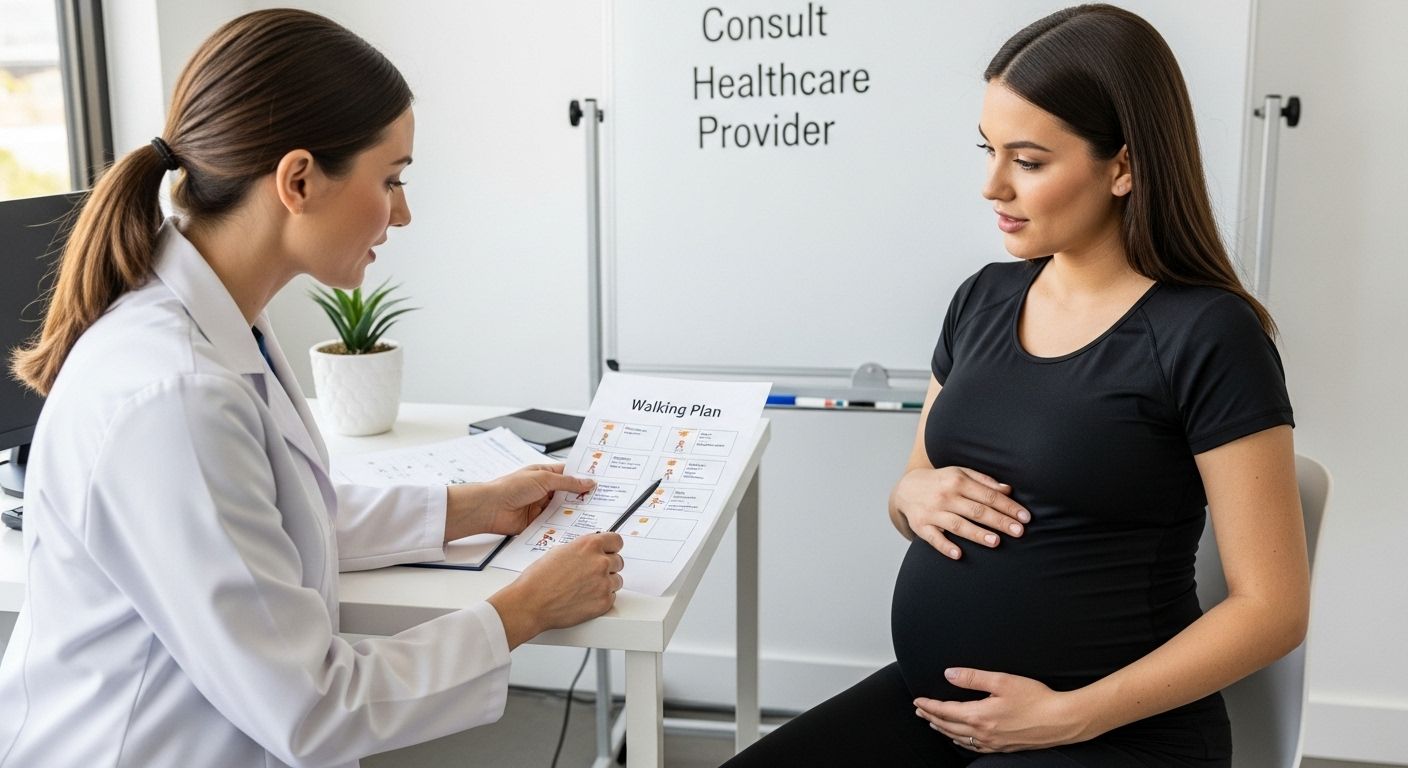
Walking for pregnant women represents an excellent low impact exercise strategy, but professional medical guidance is crucial before beginning any physical activity routine. Your healthcare provider serves as the most critical resource in designing a safe and personalized walking plan tailored to your unique pregnancy conditions and overall health status.
Begin by scheduling a comprehensive prenatal consultation specifically focused on discussing walking as part of your pregnancy fitness regimen. During this appointment, your healthcare professional will conduct a thorough assessment of your current health, pregnancy progression, and potential risk factors. They will evaluate specific medical considerations that might influence your ability to engage in walking exercises, such as existing medical conditions, pregnancy complications, or physical limitations.
During the consultation, prepare a detailed list of questions and be ready to provide transparent information about your current physical condition. Your healthcare provider will likely discuss several key aspects related to walking for pregnant women, including appropriate walking duration, recommended intensity, potential warning signs, and personalized modifications based on your trimester and individual health profile. According to research from the National Institute of Diabetes and Digestive and Kidney Diseases, most women can safely participate in moderate physical activities during pregnancy when properly guided.
Key topics to discuss during your consultation should include:
- Your current fitness level and exercise history
- Any pre-existing medical conditions
- Specific pregnancy-related health considerations
- Recommended walking frequency and duration
- Signs indicating you should stop or modify your walking routine
Successful completion of this step means receiving clear, personalized guidance from your healthcare provider and understanding the specific parameters for safe walking during your pregnancy. This professional approval ensures you can confidently proceed with your walking plan while prioritizing both maternal and fetal health.
Step 2: Gather Essential Gear for Safe Walking
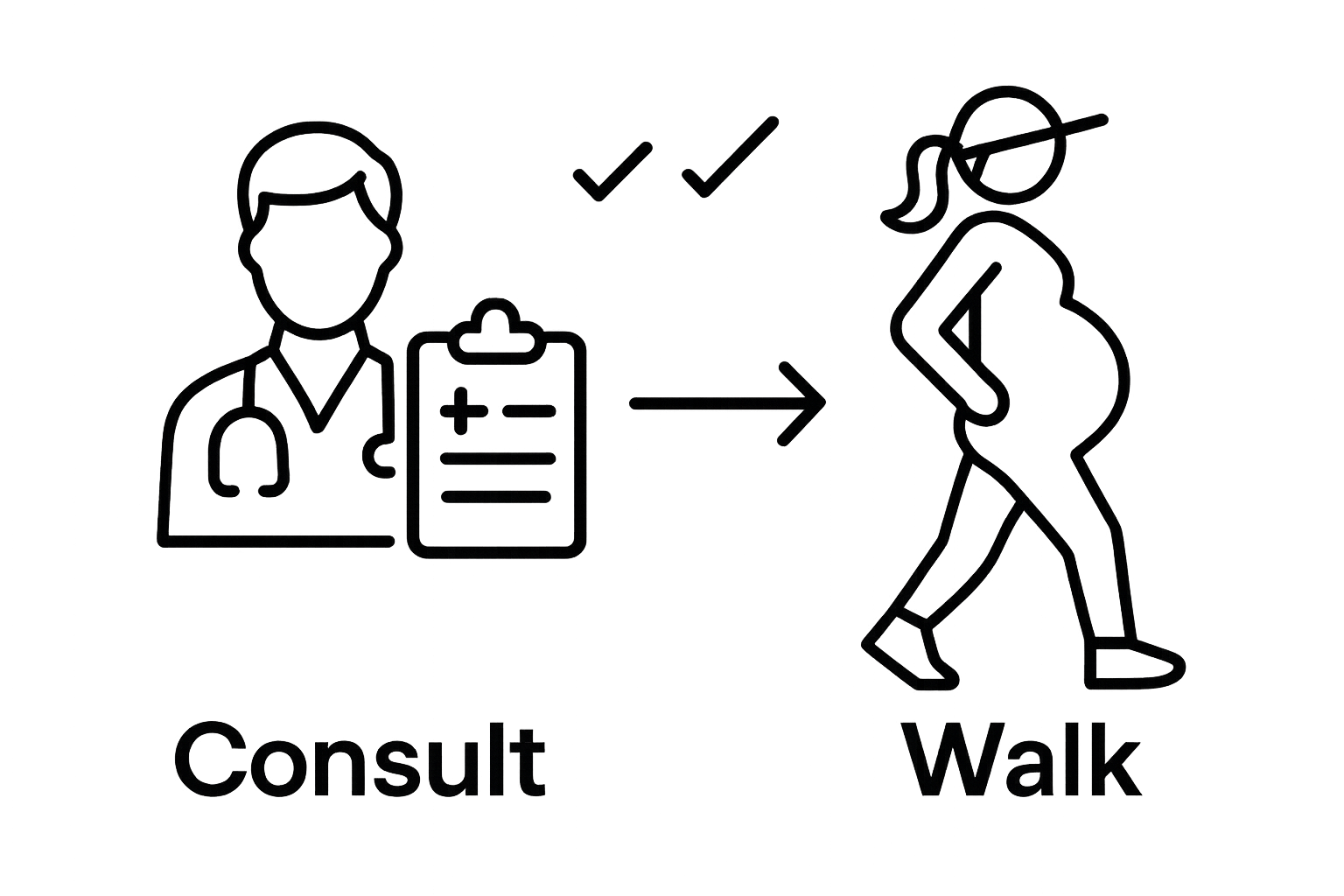
Preparing for walking during pregnancy requires thoughtful selection of gear that supports your changing body and ensures maximum comfort and safety. The right equipment can transform your walking experience from potentially challenging to genuinely enjoyable, helping you maintain fitness and well-being throughout your pregnancy journey.
Comfortable maternity workout clothing forms the foundation of your walking gear. Look for breathable, stretchy fabrics that accommodate your growing belly and provide unrestricted movement. Prioritize lightweight, moisture-wicking materials that help regulate body temperature and prevent overheating. Consider investing in maternity leggings or shorts with adjustable waistbands that can expand with your changing body shape, providing consistent support without constriction.
Footwear becomes exponentially more critical during pregnancy. Your feet will experience significant changes, including potential swelling and altered weight distribution. According to research from Liverpool John Moores University, selecting appropriate footwear is crucial for maintaining stability and reducing injury risk. Choose walking shoes with excellent arch support, cushioned soles, and a wide toe box to accommodate potential foot swelling. Consider getting professionally fitted to ensure optimal comfort and support.
Additional essential gear for walking during pregnancy includes:
- Supportive maternity sports bra with adjustable straps
- Comfortable, moisture-wicking socks
- Lightweight water bottle for hydration
- Sun protection accessories like a hat and sunscreen
- Optional support belt for additional abdominal comfort
Verify your gear preparedness by doing a quick comfort test before starting your walking routine. Try on all items, perform gentle movements, and assess how they feel. Comfort and unrestricted movement are your primary indicators of properly selected walking gear. Each piece should feel like a supportive companion in your pregnancy fitness journey, enabling you to walk confidently and safely while nurturing both your physical health and your developing baby.
Here is a table summarizing the essential walking gear recommended for pregnant women, including the main purpose of each item for comfort and safety.
| Gear Item | Main Features/Specifications | Purpose/Benefit |
|---|---|---|
| Maternity Workout Clothing | Breathable, stretchy, moisture-wicking | Accommodates body changes, prevents overheating |
| Walking Shoes | Cushioned soles, arch support, wide toe box | Maintains stability and reduces injury risk |
| Maternity Sports Bra | Adjustable straps, strong support | Provides chest and back comfort |
| Moisture-Wicking Socks | Comfortable, breathable material | Keeps feet dry and helps prevent blisters |
| Water Bottle | Lightweight, easy to carry | Promotes hydration during walks |
| Sun Protection (Hat, Sunscreen) | Protective, lightweight | Shields skin from sun exposure |
| Optional Support Belt | Adjustable, soft material | Provides extra abdominal comfort |
Step 3: Schedule Regular Walking Sessions
Designing a structured walking routine during pregnancy requires strategic planning that balances your health needs, personal schedule, and physical capabilities. Consistency is more important than intensity when it comes to walking for pregnant women, making thoughtful scheduling critical to maintaining a sustainable fitness approach.
Begin by integrating walking sessions into your weekly routine in a manner that feels natural and manageable. Most pregnant women find success by breaking their recommended exercise time into shorter, more frequent walks rather than attempting lengthy single sessions. Aim to distribute your walking across multiple days, creating a balanced approach that prevents exhaustion while maintaining steady physical activity. Consider starting with 15-20 minute walks and gradually increasing duration as your comfort and fitness level allow.
According to research from the Centers for Disease Control and Prevention, pregnant women should target approximately 150 minutes of moderate aerobic activity weekly. This goal can be achieved through strategic planning that considers your trimester, energy levels, and daily responsibilities. Some women prefer morning walks when energy is higher, while others find afternoon or early evening strolls more comfortable.
Key scheduling considerations for your walking routine include:
- Selecting consistent times that align with your daily schedule
- Planning walks during cooler parts of the day
- Allowing flexibility for rest and potential schedule adjustments
- Tracking your walking duration and frequency
- Listening to your body and adjusting intensity as needed
Successful walking schedule implementation means creating a routine that feels sustainable and enjoyable, not overwhelming. Use a physical calendar or digital tracking app to monitor your progress, celebrate your walking achievements, and maintain motivation. Remember that your walking routine is not about perfection but about consistent, gentle movement that supports your health and your baby’s development.
Step 4: Monitor Your Body’s Response During Walks
Monitoring your body’s response during walking is a critical aspect of maintaining safe and effective exercise throughout pregnancy. Your body will communicate its comfort and limitations through various signals, requiring attentive awareness and responsive adjustment of your walking routine.
Begin by developing a keen understanding of your physical sensations during walks. Pay close attention to your breathing rate, muscle fatigue, balance, and overall energy levels. Pregnant women experience unique physiological changes that can impact walking mechanics and comfort. Some women might notice subtle shifts in balance or slight changes in gait, which are normal adaptations to your changing body. These modifications help accommodate your growing belly and shifting center of gravity.
According to research from the National Institutes of Health, walking balance during pregnancy undergoes non-linear changes, making continuous self-monitoring essential. Watch for warning signs that indicate you should pause or modify your walking session, such as sudden dizziness, sharp pain, excessive fatigue, shortness of breath, or chest discomfort. If you experience any of these symptoms, stop walking immediately and consult your healthcare provider.
Key indicators to monitor during your walking sessions include:
- Breathing rate and ease of conversation
- Muscle fatigue and joint comfort
- Overall energy levels
- Balance and stability
- Heart rate and perceived exertion
For additional support during your walking journey, learn more about choosing the right walking gear to enhance your comfort and stability. Successful body monitoring means maintaining a balanced approach that prioritizes both movement and rest. Keep a walking journal to track your experiences, noting how your body feels before, during, and after each walk.
Below is a table providing a checklist for monitoring your body’s signals during walks, helping you know when to continue, pause, or modify your activity based on key indicators.
| Indicator | What to Look For | Recommended Action |
|---|---|---|
| Breathing Rate | Able to hold a conversation | Continue walking as planned |
| Muscle Fatigue | Mild discomfort or tiredness | Modify pace or take a break |
| Balance and Stability | Feeling steady and secure | Continue walking as planned |
| Sudden Dizziness or Sharp Pain | Any sudden or severe discomfort | Stop walking immediately |
| Excessive Fatigue | Unusual tiredness or energy drop | Pause and rest, consult provider |
| Shortness of Breath or Chest Pain | Difficulty breathing or chest cramps | Stop and seek medical advice |
Step 5: Incorporate Stretching to Enhance Flexibility
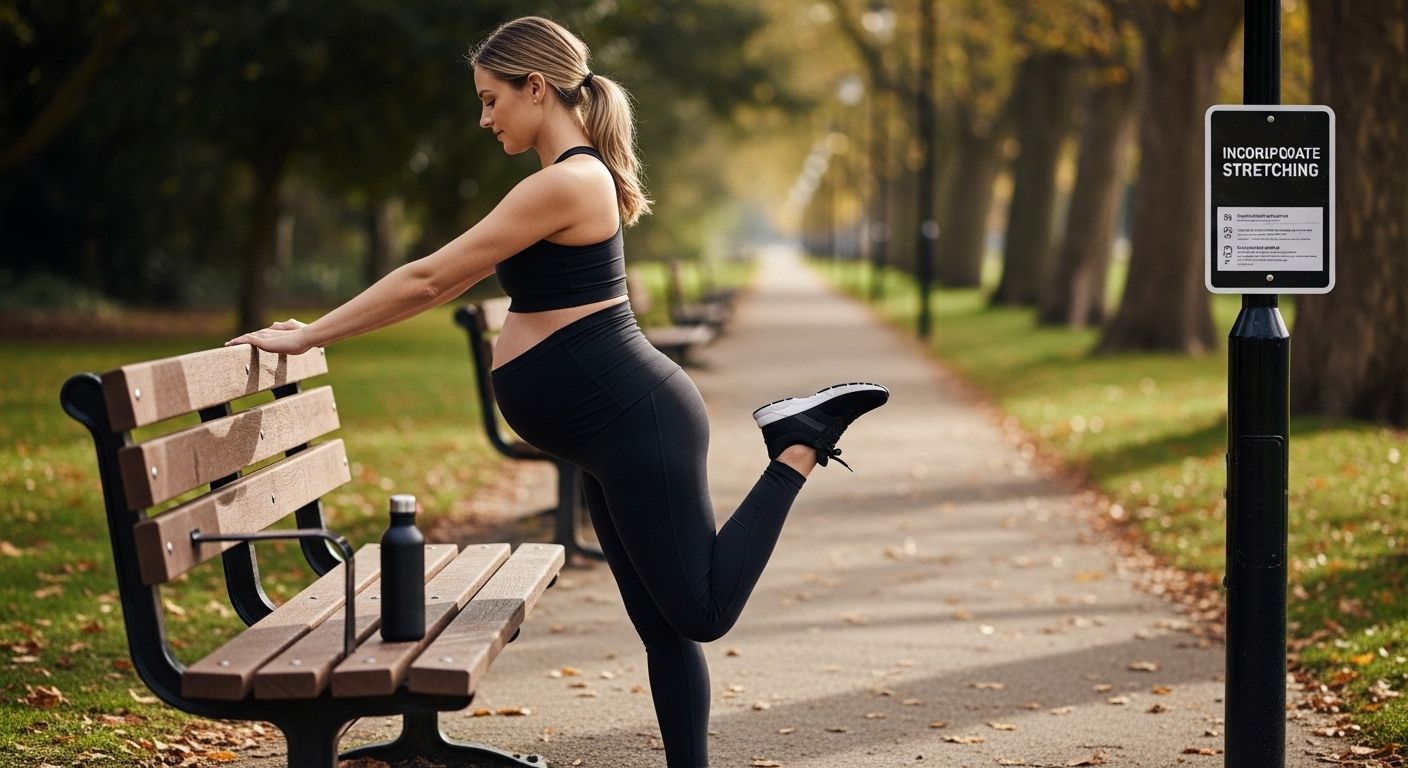
Stretching during pregnancy transforms your walking routine from a simple exercise into a comprehensive wellness practice, helping your body adapt to its changing physique while maintaining muscle elasticity and preventing potential discomfort. Gentle, targeted stretching becomes your ally in maintaining physical comfort and preventing muscle strain throughout your pregnancy journey.
Approach stretching as a mindful, deliberate process that complements your walking routine. Begin with light, controlled movements that focus on major muscle groups most affected by pregnancy changes, particularly those in your legs, lower back, and hips. Pay special attention to your body’s signals, moving slowly and stopping immediately if you experience any sharp pain or unusual discomfort. Aim to stretch both before and after your walking sessions, using slow, controlled movements that gently elongate muscles without pushing into zones of significant tension or strain.
According to research from the American College of Obstetricians and Gynecologists, stretching during pregnancy offers numerous benefits beyond simple muscle flexibility. These gentle movements can help improve circulation, reduce muscle tension, and prepare your body for the physical demands of pregnancy and eventual childbirth. If you’re unsure about specific stretching techniques, consider consulting a prenatal fitness specialist who can provide personalized guidance tailored to your unique physical condition.
Key stretching considerations for pregnant walkers include:
- Maintaining slow, controlled breathing during stretches
- Avoiding bouncing or jerky movements
- Holding each stretch for 15-30 seconds
- Focusing on gentle, non-aggressive stretching
- Listening to your body’s comfort signals
Explore targeted leg stretches that can complement your walking routine and enhance overall comfort. Successful stretching means creating a routine that feels nurturing, not challenging. Your goal is to support your body’s changing needs, improve flexibility, and prepare yourself for the beautiful journey of pregnancy while maintaining physical comfort and well-being.
Step 6: Evaluate Your Progress and Comfort Levels
Evaluating your walking progress during pregnancy transforms your exercise routine from a simple physical activity into a personalized health management strategy. Your body will continuously change throughout pregnancy, making regular assessment crucial to maintaining a safe and enjoyable walking experience that adapts to your evolving physical needs.
Begin by establishing a consistent method of tracking your walking journey. Create a simple journal or digital log that captures not just distance and duration, but also your subjective experience. Note how you feel before, during, and after each walking session, recording details like energy levels, muscle fatigue, breathing comfort, and any physical sensations. This documentation becomes an invaluable tool for understanding your body’s unique response to walking during pregnancy, allowing you to make informed adjustments to your routine.
According to research examining physical activity during pregnancy, pregnant women must carefully monitor their perceived exertion levels. Use a simple rating scale from 1-10 to assess your walking intensity, with 1 representing minimal effort and 10 representing maximum exertion. Aim to maintain a comfortable 4-6 range, where you can still carry on a conversation but feel your body is engaged in moderate activity. This approach helps prevent overexertion while ensuring you receive the cardiovascular and muscular benefits of walking.
Key elements to track in your progress evaluation include:
- Walking duration and distance
- Perceived energy levels
- Physical comfort and any discomfort
- Breathing ease
- Overall mood and mental well-being
- Changes in walking pace or stride
Successful progress evaluation means creating a flexible, responsive approach to your walking routine. Remember that some days will feel easier than others, and that’s perfectly normal. Your goal is consistent, comfortable movement, not achieving a rigid standard of performance. By maintaining this compassionate, attentive approach, you’ll transform walking from a simple exercise into a nurturing practice that supports both your physical health and emotional well-being during pregnancy.
Discover Reliable Leg Support for Pregnant Walkers
You are committed to a healthy pregnancy, and walking is core to your journey, but discomfort from tired, achy legs or swelling can distract from the benefits. As highlighted in the guide, circulation support is essential when walking during pregnancy, especially as your body changes and requires extra care. Genuine comfort and stability during every step become more than just a goal—they are part of nurturing both your well-being and your baby’s development.
Fit Stockings specializes in medical-grade compression stockings that address swelling, support your circulation, and deliver gentle, targeted comfort—tailored for pregnancy needs. You can explore expertly curated solutions designed to relieve bothersome symptoms, encourage confidence while walking, and fit your evolving body comfortably. Visit Fit Stockings today to find your perfect pair and experience the benefit of enhanced circulation with every walk. Ready to make your next stroll safer and more comfortable? Shop the trusted collection now and support your best pregnancy journey from the ground up.
Frequently Asked Questions
What are the benefits of walking during pregnancy?
Walking during pregnancy can enhance circulation, improve mood, reduce discomfort, and maintain overall fitness. It’s a low-impact exercise that helps manage weight and promotes healthy blood flow.
How often should I walk while pregnant?
Most pregnant women should aim for at least 150 minutes of moderate aerobic activity, which can be achieved through regular walking sessions. It’s often recommended to walk several times a week in shorter durations, adjusting as needed based on comfort and energy levels.
What should I wear for walking during pregnancy?
You should wear comfortable maternity workout clothing made from breathable fabrics, as well as well-fitted walking shoes that provide adequate support and cushioning. A supportive maternity sports bra and moisture-wicking socks are also recommended to enhance comfort.
How can I monitor my body’s response while walking?
Pay attention to your breathing rate, energy levels, and any signs of discomfort during your walks. It’s important to listen to your body and stop if you experience symptoms like dizziness or sharp pain, and if necessary, consult your healthcare provider.