

How to Prevent Leg Cramps Naturally: Effective Steps You Can Take
Leg cramps can shut down a good night’s sleep or ruin your workout fast. Most people believe stretching or popping a banana is all it takes, but that barely scratches the surface. Dehydration increases muscle cramp risk far more than you might think and the real solution often starts with simple changes that go way beyond what you eat or how you stretch.
Table of Contents
- Step 1: Assess Your Hydration Levels Daily
- Step 2: Incorporate Stretching Exercises Into Your Routine
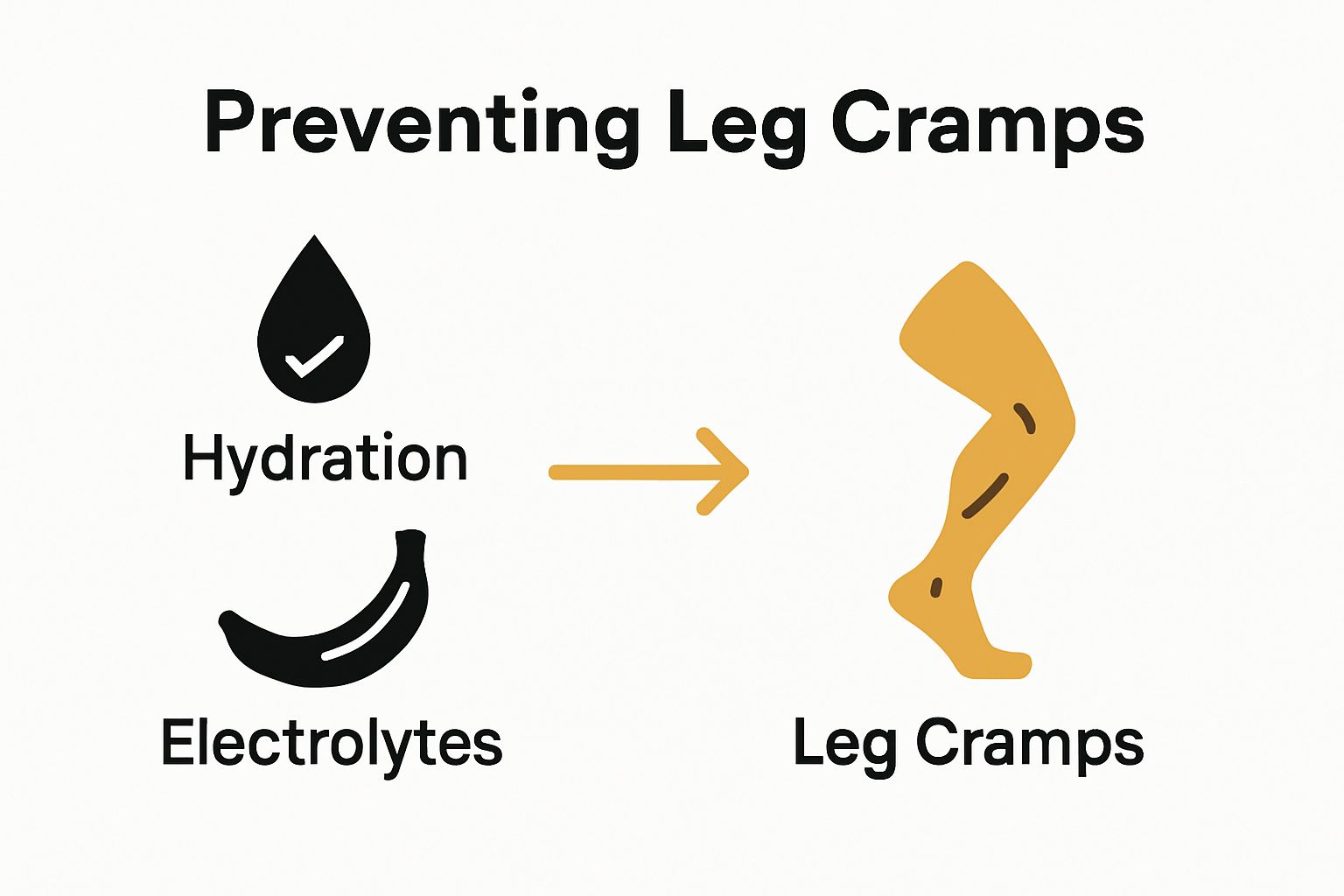
- Step 3: Maintain A Balanced Diet Rich In Electrolytes
- Step 4: Choose Supportive Footwear And Avoid High Heels
- Step 5: Monitor And Adjust Your Physical Activity Levels
Quick Summary
| Key Point | Explanation |
|---|---|
| 1. Hydrate daily to prevent cramps | Monitor your water intake, aiming for about 8 glasses daily to maintain muscle health and prevent leg cramps. |
| 2. Stretch regularly to improve flexibility | Develop a consistent stretching routine targeting key muscle groups to reduce the frequency of cramps. |
| 3. Eat a balanced diet rich in electrolytes | Incorporate foods high in potassium, magnesium, and calcium to support muscle function and prevent cramps. |
| 4. Choose supportive footwear | Select shoes with proper arch support and cushioning to reduce muscle strain and lower cramping risk. |
| 5. Gradually increase physical activity | Slowly build up your exercise intensity by no more than 10% per week to avoid overexertion and cramps. |
Step 1: Assess your hydration levels daily
Leg cramps often stem from a hidden culprit that many people overlook: inadequate hydration. Understanding and monitoring your daily fluid intake is a crucial first step in preventing those painful muscle contractions that can disrupt your daily activities and exercise routines.
Why Hydration Matters for Muscle Health
Water plays a critical role in muscle function and electrolyte balance. When your body lacks sufficient fluids, muscles can become more susceptible to cramping, especially during physical activity or in hot environments. Research from the National Institutes of Health confirms that dehydration significantly increases the risk of muscle cramping.
To effectively assess your hydration levels, start by tracking your daily water intake. A general recommendation is consuming approximately 8 glasses (64 ounces) of water per day, though individual needs vary based on body weight, activity level, and climate. Pro tip: Keep a water bottle with measurement markings near you to easily monitor consumption throughout the day.
Key indicators of proper hydration include:
To help you assess whether you’re staying properly hydrated throughout the day, here is a checklist summarizing key signs mentioned in the article.
| Hydration Indicator | What to Look For |
|---|---|
| Urine Color | Pale yellow or clear |
| Frequency of Urination | 6-8 times daily |
| Energy Levels | Feeling consistently energetic |
| Skin Elasticity | Skin quickly returns to normal after pinching |
| Thirst Level | Rarely feeling thirsty |
- Pale yellow or clear urine color
- Urinating 6-8 times daily
- Feeling consistently energetic
- Skin that quickly returns to normal after being pinched
For those who struggle with plain water, consider incorporating hydrating alternatives like herbal tea, water-rich fruits, and electrolyte-enhanced beverages. Avoid excessive caffeine and alcohol, which can contribute to dehydration.
During exercise or hot weather, increase your fluid intake proportionally. Drink water before, during, and after physical activities to maintain optimal muscle hydration. Listen to your body – thirst is an early warning sign that you need more fluids.
Consistency is key in preventing leg cramps through hydration. Make water intake a daily habit, setting reminders on your phone or using hydration tracking apps if needed. By making this simple yet powerful assessment a routine, you’ll be taking a significant step toward muscle health and cramp prevention.
Step 2: Incorporate stretching exercises into your routine
Stretching represents a powerful yet often overlooked strategy for preventing leg cramps. By implementing targeted muscle flexibility techniques, you can significantly reduce the likelihood of sudden, painful muscle contractions that disrupt your daily activities. Research from the Mayo Clinic confirms that regular stretching can dramatically decrease muscle cramping frequency.
Effective stretching requires more than random movements. Develop a consistent routine that focuses on gentle, controlled muscle elongation, particularly targeting the calf, hamstring, and quadricep muscle groups. Start with gentle, slow stretches that avoid sudden or jerky motions which could trigger muscle strain.
Begin your stretching practice with a warm-up to increase blood flow. Walk in place for 2-3 minutes or do light marching movements to prepare your muscles. When stretching, hold each position for 15-30 seconds, breathing steadily and avoiding bouncing or rapid movements. Proper technique is crucial - stretch until you feel mild tension, not pain.
Key stretching techniques for leg cramp prevention include:
- Standing calf stretch against a wall
- Seated hamstring stretch with a towel
- Gentle quadricep stretches while holding onto a chair
- Ankle rotation exercises
For those interested in expanding their stretching knowledge, check out our guide on best stretches for leg circulation and comfort. This additional resource can provide more detailed techniques tailored to different fitness levels.
Consistent practice is key. Aim to stretch at least once daily, preferably in the morning or before bedtime. For individuals with existing health conditions or limited mobility, consult a healthcare professional to develop a personalized stretching plan that suits your specific needs.
To verify your stretching routine’s effectiveness, monitor your leg cramp frequency. A successful stretching practice should gradually reduce muscle tension and decrease unexpected cramping episodes. Remember, flexibility is a skill developed over time, so be patient and persistent with your stretching efforts.
Step 3: Maintain a balanced diet rich in electrolytes
Electrolytes are the unsung heroes of muscle function, playing a critical role in preventing leg cramps. These essential minerals help regulate nerve and muscle function, maintaining proper hydration and electrical signals throughout your body. According to the National Institutes of Health, strategic dietary choices can significantly reduce the likelihood of muscle cramping.
Understanding Electrolyte Balance requires more than simply consuming random foods. Focus on incorporating a diverse range of nutrient-dense foods that naturally support your body’s mineral requirements. Potassium, magnesium, calcium, and sodium are the key electrolytes that work together to prevent muscle tension and unexpected cramping.
Start by building meals around whole food sources rich in these critical minerals. Bananas, sweet potatoes, and leafy green vegetables provide potassium. Nuts, seeds, and whole grains deliver essential magnesium. Dairy products and fortified plant-based alternatives offer calcium, while moderate amounts of sea salt can help maintain sodium levels.
Key electrolyte-rich food groups include:
- Dark leafy greens like spinach and kale
- Nuts and seeds (almonds, pumpkin seeds)
- Avocados and citrus fruits
- Lean proteins like chicken and fish
- Beans and legumes
Pay attention to your body’s signals. Muscle fatigue, persistent cramps, or unusual weakness might indicate an electrolyte imbalance.
Here is a quick comparison of essential electrolyte-rich foods and their key benefits for muscle function, based on foods highlighted within the article.
| Food Group | Notable Examples | Key Electrolyte(s) | Benefit for Muscle Health |
|---|---|---|---|
| Leafy Green Vegetables | Spinach, kale | Potassium, magnesium | Support muscle contraction |
| Nuts and Seeds | Almonds, pumpkin seeds | Magnesium | Prevent muscle fatigue/cramps |
| Dairy/Alternatives | Milk, yogurt, fortified plant milks | Calcium | Maintain muscle tone |
| Fruits | Bananas, avocados, citrus | Potassium | Regulate muscle signals |
| Beans and Legumes | Black beans, lentils | Magnesium, potassium | Improve muscle recovery |
Hydration remains crucial in this process. Drink water alongside electrolyte-rich foods to help your body absorb and utilize these essential minerals effectively. For those with intense physical activity or who live in hot climates, you might need additional electrolyte support through natural supplements or carefully selected sports drinks.
Verify your dietary progress by monitoring your muscle comfort and overall energy levels. A well-balanced electrolyte intake should result in fewer muscle cramps, improved physical performance, and a general sense of bodily well-being.
 Remember that dietary changes take time, so be patient and consistent in your approach to nutritional balance.
Step 4: Choose supportive footwear and avoid high heels
The shoes you wear play a critical role in preventing leg cramps and maintaining overall muscle health. Footwear is more than a fashion statement it is a fundamental component of your body’s biomechanical support system. Proper shoe selection can dramatically reduce muscle strain, improve circulation, and minimize the risk of unexpected muscle contractions.
When selecting shoes, prioritize support and comfort over style. Look for footwear with robust arch support, cushioned insoles, and a wide toe box that allows natural foot movement. Shoes with rigid soles and minimal flexibility can create unnatural muscle tension, potentially triggering leg cramps. Avoid flat shoes with zero support, as they can cause unnecessary stress on your leg muscles and alter your natural walking mechanics.
High heels are particularly problematic for leg muscle health. These shoes force your calf muscles into an unnatural, contracted position, reducing blood circulation and increasing muscle fatigue. The higher the heel, the greater the strain on your muscles and the higher the likelihood of experiencing painful cramps. If professional or social situations demand heel wearing, opt for lower heels (under 2 inches) and alternate with comfortable, supportive footwear throughout the day.
Consider these crucial shoe selection criteria:
- Adequate arch support
- Cushioned heel and forefoot areas
- Flexible yet stable sole design
- Proper width that matches your foot shape
- Breathable materials
Learn more about relieving foot discomfort with our comprehensive guide, which offers additional insights into maintaining foot health and preventing muscle strain.
Rotate your shoes regularly to prevent excessive wear that can compromise their supportive qualities. Replace athletic shoes every 300-500 miles or every 6-8 months, depending on your activity level. For individuals with specific foot conditions like high arches, flat feet, or chronic muscle issues, consider consulting a podiatrist for personalized shoe recommendations.
Verify your footwear’s effectiveness by monitoring your leg comfort. Reduced muscle tension, fewer cramps, and improved walking comfort are strong indicators that you have chosen the right supportive footwear.
 Remember, investing in quality shoes is an investment in your overall muscle health and daily comfort.
Step 5: Monitor and adjust your physical activity levels
Physical activity is a double-edged sword when it comes to leg cramps. While exercise is crucial for overall health, improper activity management can trigger muscle tension and unexpected cramping. Research indicates that sudden increases in exercise intensity can dramatically heighten muscle strain and cramping risk.
Understanding your body’s unique limits is the cornerstone of preventing leg cramps during physical activity. Start by establishing a realistic baseline of your current fitness level. This means honestly assessing your typical daily movement, exercise routine, and physical capabilities. For individuals new to structured exercise or returning after a long break, gradual progression is key.
Implement a structured approach to increasing physical activity. Begin with low-impact exercises like walking, swimming, or gentle cycling. Incremental progression matters more than sudden, intense workouts. Aim to increase your activity level by no more than 10% per week, allowing your muscles time to adapt and build strength without unnecessary strain.
Important tracking strategies for physical activity include:
- Using a fitness tracker or smartphone app
- Maintaining a detailed exercise journal
- Monitoring recovery time and muscle response
- Tracking perceived exertion levels
- Noting any cramping occurrences
Check out our guide on essential exercises for maintaining healthy activity levels, which offers insights into balanced, low-risk physical movements.
Pay close attention to your body’s warning signals. Muscle fatigue, persistent soreness, or recurring cramps are indicators that you might be overexerting yourself. Rest days are not a sign of weakness but a critical component of muscle recovery and overall fitness management.
For individuals with pre-existing health conditions or those managing chronic muscle issues, consulting a physical therapist or fitness professional can provide personalized guidance. They can help design an activity plan that respects your body’s specific needs and minimizes cramping risk.
Verify your progress by tracking improvements in muscle comfort, reduced cramping frequency, and increased overall energy levels. A successful approach to physical activity management should result in smoother, more comfortable movement and decreased muscle tension.
Take the Next Step in Leg Health: Support Beyond Natural Remedies
Even when you hydrate, stretch, and balance your activity levels, ongoing leg cramps and discomfort can signal a deeper need for reliable daily support. Many readers, especially those managing circulation issues like varicose veins, diabetes, or pregnancy-related swelling, often find that natural steps alone do not provide lasting relief. That persistent tension in your calves or fatigue at the end of the day is a sign your legs are asking for more specialized care.
Discover how medical-grade compression stockings from Fit Stockings can go further in protecting your muscles and reducing cramp frequency. We offer a curated selection of compression garments for all needs and lifestyles, including thigh-high and knee-high styles in a range of graduated strengths and sizes. Trusted brands and expert fit guidance ensure you find true comfort and therapeutic benefit. Ready to give your legs the expert support they deserve? Explore our solutions today at Fit Stockings and feel the difference with every step.
Frequently Asked Questions
How can I assess my hydration levels to prevent leg cramps?
Monitoring your hydration levels is crucial. Track your daily water intake, aiming for about 8 glasses (64 ounces) per day, and check for pale yellow urine and consistent energy levels to ensure adequate hydration.
What stretching exercises are effective for preventing leg cramps?
Incorporate targeted stretching exercises like calf stretches and hamstring stretches into your daily routine. Hold each stretch for 15-30 seconds and aim to stretch at least once a day to improve flexibility and reduce cramping.
What foods should I eat to maintain electrolyte balance and prevent cramps?
Focus on including foods rich in potassium, magnesium, and calcium, such as bananas and leafy greens, in your meals. Aim to build meals around these nutrient-dense foods to support overall muscle function and prevent cramps.
How do I choose supportive footwear to reduce leg cramps?
Select shoes that offer good arch support, cushioning, and a wide toe box to minimize muscle strain. Prioritize comfort over style, and avoid high heels to maintain natural foot mechanics and blood circulation.
What strategies can I use to manage my physical activity levels to avoid cramps?
Gradually increase your activity level by no more than 10% per week to allow your muscles to adapt. Monitor your body’s response to exercise and incorporate rest days to prevent overexertion and reduce cramping risk.