

Understanding Compression Garments for Pregnancy Benefits
Pregnancy brings incredible changes to a woman’s body and sometimes those changes can come with real discomfort and health hurdles. Most people expect morning sickness or cravings, but did you know that up to 80 percent of pregnant women experience significant leg swelling or circulatory issues as their bodies adapt? Compression garments step in with a surprising solution. They do more than relieve aches—they actively improve circulation and lower the risk of complications, giving real support when it matters most.
Table of Contents
- What Are Compression Garments For Pregnancy?
- Why Compression Matters During Pregnancy
- How Compression Garments Support Circulation
- Key Features Of Effective Compression Garments
- Real-World Benefits For Pregnant Women
Quick Summary
| Takeaway | Explanation |
|---|---|
| Compression garments aid circulation. | They apply graduated pressure to enhance blood flow and reduce swelling in pregnant women. |
| Different styles meet varying needs. | Options range from knee-high socks to full-length stockings, catering to individual comfort and support preferences. |
| Support mitigates pregnancy discomfort. | These garments help reduce leg fatigue, swelling, and muscle cramps, enhancing mobility during pregnancy. |
| Regular use can prevent complications. | Wearing compression garments lowers the risk of venous issues like deep vein thrombosis and varicose veins. |
| Positive impact on emotional well-being. | Providing physical support, these garments can increase comfort and confidence, fostering a better pregnancy experience. |
What are Compression Garments for Pregnancy?
Compression garments for pregnancy are specialized supportive clothing designed to provide targeted pressure and support to a woman’s lower body during gestation. These therapeutic garments are engineered to enhance circulation, reduce swelling, and alleviate discomfort associated with the physical changes occurring during pregnancy.
The Science Behind Pregnancy Compression Wear
At their core, compression garments work through a precise mechanism of graduated pressure application. This means the garment applies more pressure at the ankle and gradually decreases as it moves up the leg, which helps promote blood flow from the extremities back toward the heart. Research from the Journal of Obstetrics and Gynaecology Canada demonstrates that this strategic pressure gradient can significantly reduce the risk of venous complications during pregnancy.
Key physiological benefits of compression garments include:
- Improved blood circulation
- Reduced leg and ankle swelling
- Minimized risk of varicose veins
- Enhanced lymphatic drainage
- Support for changing body mechanics
Types of Compression Garments for Pregnancy
Pregnancy compression wear comes in various styles to accommodate different needs and comfort levels. These range from knee-high compression socks to full-length maternity support stockings. Our guide on understanding pregnancy compression stockings provides comprehensive insights into selecting the right type for individual requirements.
While not a medical treatment, compression garments serve as a proactive approach to managing the physical challenges of pregnancy. They offer a non-invasive solution to support women’s changing bodies, helping them maintain comfort and mobility throughout their gestational journey.
Below is a comparison table summarizing the main types of compression garments for pregnancy, highlighting their coverage and intended benefits to help expectant mothers select the best option for their needs.
| Type of Garment | Coverage Area | Main Benefits |
|---|---|---|
| Knee-high Compression Socks | Foot to below knee | Reduces foot and ankle swelling; easy to put on and wear daily |
| Thigh-high Compression Stockings | Foot to thigh | Supports entire leg; helps with severe swelling or varicose veins |
| Waist-high Maternity Pantyhose | Foot to waist | Full coverage support; aids back, hips, and legs |
| Maternity Compression Leggings | Waist to ankle | Supports legs and back; offers comfort for mild swelling |
| Maternity Support Bands | Abdomen, lower back | Provides abdominal and lumbar support; less impact on circulation |
Why Compression Matters During Pregnancy
Pregnancy fundamentally transforms a woman’s body, triggering complex physiological changes that significantly impact circulatory health. Compression garments emerge as a critical supportive intervention during this transformative period, addressing multiple health challenges that can arise during gestation.
Circulatory Challenges During Pregnancy
As pregnancy progresses, the growing uterus places increased pressure on pelvic veins and lower extremity blood vessels. This additional strain can lead to compromised blood circulation, causing significant discomfort and potential health risks. Research from the National Institutes of Health demonstrates that these circulatory changes can result in several physiological complications:
- Increased risk of deep vein thrombosis
- Persistent leg swelling and edema
- Development of varicose veins
- Reduced venous return from lower extremities
- Potential blood pooling in leg veins
Preventing Pregnancy Related Circulatory Complications
Compression garments provide a proactive solution to mitigate these circulatory challenges.
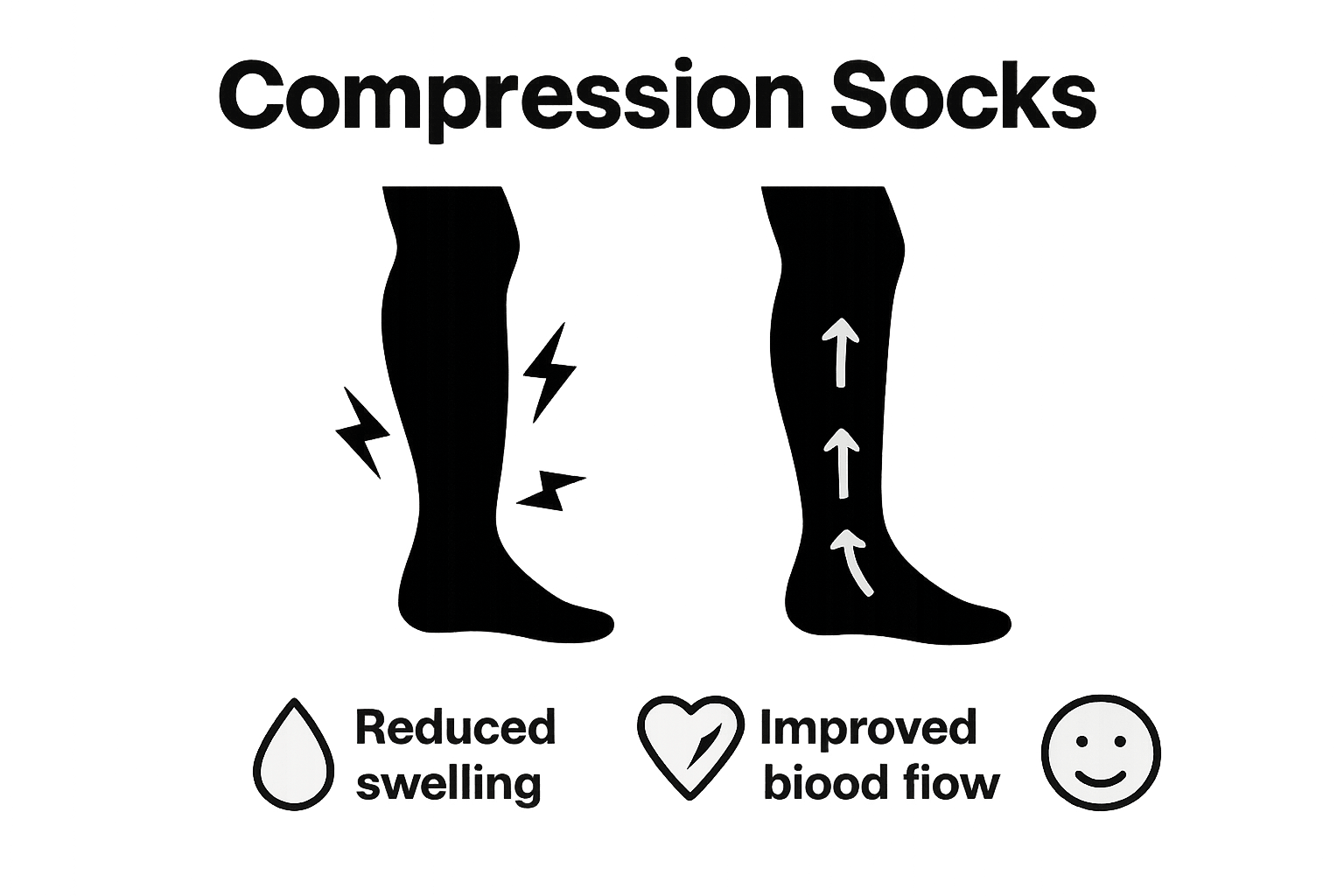 By applying graduated pressure, these specialized garments help maintain healthy blood flow, reduce inflammation, and support the body’s changing biomechanics. Our guide on compression socks during pregnancy offers comprehensive insights into managing these physiological transitions.
Beyond immediate comfort, compression wear plays a preventative role in supporting maternal vascular health. The strategic pressure gradient helps counteract gravitational effects, promoting efficient blood circulation and reducing the likelihood of developing potentially serious venous conditions during pregnancy.
How Compression Garments Support Circulation
Compression garments function as sophisticated circulatory support systems, utilizing precise mechanical principles to enhance blood flow and promote overall vascular health. These specialized garments work through a strategic mechanism designed to counteract gravitational challenges and physiological changes that impact circulation.
The Pressure Gradient Mechanism
Research from medical biomechanics experts reveals that compression garments employ a graduated pressure technique. This approach means the garment applies maximum pressure at the ankle and gradually reduces pressure as it moves up the leg, creating a unique “pumping” effect that actively supports blood return to the heart.
Key circulation enhancement features include:
- Promoting venous blood flow against gravity
- Preventing blood pooling in lower extremities
- Reducing venous distension and potential inflammation
- Supporting muscle groups during movement
- Minimizing potential circulatory stasis
Biomechanical Support and Blood Flow Optimization
Compression garments act like external muscle assistants, helping to compress superficial veins, accelerate blood velocity, and improve overall circulatory dynamics. Our comprehensive guide on compression benefits provides deeper insights into these intricate physiological interactions.
By applying consistent, measured pressure, these garments essentially create a responsive external support system that encourages more efficient blood circulation. This mechanism is particularly critical during periods of significant physiological change, such as pregnancy, where the body’s circulatory demands are dramatically transformed.
Key Features of Effective Compression Garments
Effective compression garments for pregnancy are meticulously designed to provide targeted support, comfort, and therapeutic benefits. Understanding their critical features helps expectant mothers make informed choices about their maternity support wear, ensuring both physiological effectiveness and personal comfort.
Compression Strength and Gradation
Research from maternal health experts highlights that optimal compression garments utilize carefully calibrated pressure levels. These garments typically range from mild (15-20 mmHg) to moderate (20-30 mmHg) compression, strategically designed to support changing body dynamics during pregnancy.
Critical compression characteristics include:
- Precise pressure gradient from ankle to thigh
- Consistent, even pressure distribution
- Adaptability to body’s changing dimensions
- Targeted support for specific muscle groups
- Graduated compression that promotes circulation
Material Science and Comfort Considerations
Modern compression garments leverage advanced textile technologies to balance therapeutic functionality with wearer comfort. Breathable, moisture-wicking fabrics with elastic properties ensure that the garment moves with the body, providing support without restricting movement. Our comprehensive compression stockings fitting guide offers detailed insights into selecting the right material and fit.
Beyond technical specifications, effective compression garments must accommodate the dynamic physical transformations of pregnancy. This means incorporating stretch panels, adjustable waistbands, and seamless designs that minimize skin irritation and provide consistent, comfortable support throughout each trimester.
To help readers understand what makes an effective compression garment for pregnancy, the following table outlines key features and their specific functions in promoting comfort and support.
| Feature | Function During Pregnancy |
|---|---|
| Graduated Compression | Improves blood flow, reduces swelling, prevents blood pooling |
| Breathable, Stretchable Fabric | Enhances comfort and adapts to body changes |
| Moisture-Wicking Properties | Reduces sweating and skin irritation |
| Adjustable Waistband/Stretch Panels | Accommodates growing abdomen, maintains secure fit |
| Seamless Construction | Minimizes skin irritation and enhances comfort |
| Targeted Muscle Support Zones | Supports muscles/joints to help reduce fatigue |
Real-World Benefits for Pregnant Women
Compression garments offer profound practical advantages that extend far beyond theoretical medical support, transforming daily experiences for expectant mothers by addressing multiple physiological and comfort challenges throughout pregnancy.
Everyday Physical Comfort and Mobility
Research from maternal health studies demonstrates that compression garments significantly reduce physical discomfort during pregnancy. By providing strategic support, these garments help women maintain greater mobility and reduce fatigue associated with carrying additional weight.
Practical benefits for pregnant women include:
- Reduced leg and ankle swelling
- Minimized muscle and joint fatigue
- Enhanced overall movement comfort
- Decreased likelihood of muscle cramps
- Improved postural support during weight changes
Psychological and Emotional Well-being
Compression garments contribute meaningfully to an expectant mother’s psychological health by providing a sense of physical stability and confidence. Our guide on stress relief during pregnancy highlights how physical comfort can significantly impact emotional resilience during this transformative period.
Beyond physical support, these garments help women feel more secure and comfortable in their changing bodies, reducing anxiety about physical changes and promoting a more positive pregnancy experience.
 The gentle, consistent pressure acts almost like a reassuring embrace, helping women feel supported both physically and emotionally throughout their pregnancy journey.
Feel Supported Every Step of Your Pregnancy Journey
Pregnancy brings unique joys, but it also introduces unexpected challenges like leg swelling, aching feet, and changes in circulation. If you are experiencing discomfort or worrying about swollen ankles, you are not alone. The article highlights how compression garments use graduated pressure to boost circulation and reduce pregnancy-related symptoms. At Fit Stockings, we understand how vital support and comfort are during this special time. Our expertly chosen maternity options, including the Waist High (Pantyhose) collection, offer the targeted compression recommended for relieving swelling and supporting your changing body.
Take the next step toward a more comfortable pregnancy right now. Explore trusted brands like Jobst or browse our main Fit Stockings shop to find the ideal fit for your needs. Prioritize your comfort today so you can feel your best every day throughout your pregnancy.
Frequently Asked Questions
What are compression garments for pregnancy?
Compression garments for pregnancy are specialized supportive clothing designed to provide targeted pressure and support to a woman’s lower body during gestation, enhancing circulation and reducing discomfort and swelling.
How do compression garments support circulation during pregnancy?
Compression garments apply graduated pressure, with more pressure at the ankle decreasing towards the thigh. This mechanism promotes blood flow back to the heart, counteracting circulatory challenges such as swelling and varicose veins.
What types of compression garments are recommended for pregnant women?
Pregnancy compression wear comes in various styles, including knee-high compression socks, thigh-high stockings, and full-length support stockings, allowing women to choose based on their comfort needs and specific support requirements.
What benefits do compression garments provide during pregnancy?
Compression garments help reduce leg and ankle swelling, minimize muscle fatigue, enhance mobility, and improve overall comfort. They also contribute positively to psychological well-being by providing a sense of physical stability and support.