

Understanding Postpartum Compression Stockings for Recovery
Postpartum recovery is full of unexpected hurdles and changes few new moms see coming. It might sound surprising but women face up to a fivefold increased risk of dangerous blood clots after childbirth and this risk often peaks in those crucial first weeks at home. Most women think rest is all they need but research shows something as simple as wearing medical-grade compression stockings could play a huge role in keeping new moms safer and more comfortable during this critical period.
Table of Contents
- What Are Postpartum Compression Stockings?
- Why Are Postpartum Compression Stockings Important?
- How Do Postpartum Compression Stockings Work?
- Key Concepts Of Compression Therapy After Pregnancy
Quick Summary
| Takeaway | Explanation |
|---|---|
| Postpartum compression stockings support recovery. | These stockings provide crucial support for women healing after childbirth, promoting overall physical restoration. |
| Graduated compression reduces venous complications. | By applying pressure from ankle to thigh, they help prevent blood clots and enhance blood circulation. |
| Consult a healthcare provider for proper fit. | It’s essential to determine the right compression level and fit tailored to individual recovery needs. |
| They help manage swelling and inflammation. | Compression stockings alleviate fluid retention and minimize swelling in the legs during postpartum recovery. |
| Improved comfort during transition to motherhood. | Offering stability, these garments help women feel more confident and comfortable in their changing bodies. |
What Are Postpartum Compression Stockings?
Postpartum compression stockings represent a specialized medical garment designed to support women during the critical recovery period following childbirth. These therapeutic garments provide targeted pressure to the legs, promoting healthy blood circulation and reducing potential complications associated with pregnancy and delivery.
The Science Behind Postpartum Compression Therapy
Compression stockings work through a precise mechanism of graduated pressure application. Starting from the ankle and gradually decreasing towards the thigh, these stockings create a gentle but consistent compression that helps counteract several physiological changes women experience after giving birth. Research from the American Journal of Obstetrics and Gynecology30544-2/fulltext) demonstrates that graduated compression can significantly reduce the risk of postpartum venous complications.
The key benefits of postpartum compression stockings include:
- Reducing swelling and fluid retention in the lower extremities
- Supporting weakened leg muscles and vein structures
- Minimizing the risk of deep vein thrombosis (DVT)
- Accelerating recovery by promoting healthy blood flow
Therapeutic Design and Functionality
Unlike standard hosiery, postpartum compression stockings are engineered with medical-grade elasticity and specific pressure gradients. Typically measuring between 15-20 mmHg or 20-30 mmHg, these stockings provide targeted support that adapts to the unique physiological changes women experience after childbirth. A comprehensive study published in the Journal of Vascular Surgery31265-8/fulltext) confirms that properly fitted compression garments can dramatically improve circulatory health during the postpartum period.
Important Note: While postpartum compression stockings offer significant therapeutic benefits, women should always consult their healthcare provider to determine the most appropriate compression level and fit for their individual recovery needs. Check out our guide on understanding pregnancy compression stockings for more detailed information about medical-grade compression wear.
Why Are Postpartum Compression Stockings Important?
Postpartum compression stockings play a critical role in supporting women during the challenging recovery period after childbirth. They address several complex physiological changes that occur during and after pregnancy, providing therapeutic benefits that extend far beyond simple comfort.
Preventing Serious Circulatory Complications
Venous thromboembolism represents a significant health risk for women in the postpartum period. Research from the National Institutes of Health indicates that pregnancy and the immediate postpartum period dramatically increase a woman’s risk of developing blood clots and circulation-related complications. Compression stockings serve as a proactive intervention to mitigate these risks by supporting healthy blood flow and reducing venous stasis.
Key circulatory risks during postpartum recovery include:
- Higher likelihood of deep vein thrombosis
- Potential pulmonary embolism
- Increased risk of varicose vein development
- Prolonged swelling and inflammation in lower extremities
Supporting Physical Recovery and Healing
Compression stockings provide comprehensive support during the body’s intricate healing process. They help manage the significant physiological transformations that occur after childbirth, such as hormonal shifts, muscle weakness, and vascular changes. Explore our detailed guide on compression stockings during pregnancy to understand the broader context of these therapeutic garments.
The therapeutic advantages extend beyond immediate circulatory benefits. By applying consistent, graduated pressure, these stockings help women recover more comfortably and efficiently. They reduce muscle fatigue, minimize swelling, and provide gentle support to weakened ligaments and muscles during a vulnerable recovery period.
Holistic Wellness and Comfort
Beyond medical benefits, postpartum compression stockings contribute to a woman’s overall physical and psychological well-being.
To clarify the main risks, complications, and benefits discussed regarding postpartum compression stockings, here is a summary table for easy reference.
| Risk/Benefit | Explanation |
|---|---|
| Deep Vein Thrombosis (DVT) | Increased risk after childbirth; stockings help reduce this by improving blood flow |
| Swelling and Fluid Retention | Stockings alleviate lower extremity swelling commonly experienced postpartum |
| Venous Insufficiency and Varicose | Compression lowers the likelihood of developing varicose veins and supports weakened blood vessels |
| Muscle Fatigue and Weakness | Provides support to leg muscles and ligaments recovering from strain during pregnancy and delivery |
| Overall Physical and Emotional Comfort | Promotes confidence and aids in a smoother transition to postpartum physical changes |
| They offer a sense of support and stability during a time of significant bodily change, helping women feel more confident and comfortable as they transition into motherhood. The gentle, consistent pressure helps manage discomfort, reduces the risk of complications, and supports the body’s natural healing mechanisms. |
How Do Postpartum Compression Stockings Work?
Postpartum compression stockings utilize a sophisticated physiological mechanism that supports healthy circulation through precisely engineered pressure gradients. Their functional design goes far beyond typical hosiery, creating a therapeutic environment that actively promotes healing and reduces potential postpartum complications.
Graduated Compression Mechanism
Research from the National Institutes of Health explains that compression stockings employ a graduated compression technique, which means the pressure is strategically applied with maximum intensity at the ankle and gradually decreases toward the thigh. This intentional pressure distribution serves multiple critical functions:
- Encourages blood to flow upward against gravity
- Prevents blood pooling in lower extremities
- Reduces potential swelling and fluid retention
- Supports weakened vascular structures
Physiological Response and Blood Circulation
The mechanical pressure applied by these stockings triggers a complex physiological response. When compressed, blood vessels narrow slightly, which increases blood flow velocity and reduces venous distension. This mechanism helps counteract the significant circulatory changes women experience during the postpartum period.
The stockings essentially act as an external assist mechanism, supporting the body’s natural circulatory processes when cardiovascular systems are most vulnerable.
Learn more about our comprehensive compression stockings fitting guide to understand how proper fit enhances these therapeutic benefits.
Pressure Gradient Technology
Medical-grade postpartum compression stockings typically range between 15-30 mmHg, representing different levels of pressure intensity. Lower pressure ranges (15-20 mmHg) provide gentle support and are suitable for most women, while higher pressure ranges (20-30 mmHg) offer more intense therapeutic intervention for those with specific medical needs.
The precisely engineered pressure helps stimulate muscle pumps in the legs, actively moving blood back toward the heart and reducing the risk of potential circulatory complications. By mimicking the body’s natural muscle contractions, these stockings provide continuous, passive circulatory support during a critical recovery period.

Key Concepts of Compression Therapy After Pregnancy
Compression therapy represents a sophisticated medical approach designed to support women’s physiological recovery after childbirth. This specialized therapeutic intervention goes beyond simple symptom management, addressing complex bodily changes that occur during the postpartum period.
Physiological Foundations of Postpartum Compression
Research from the American College of Obstetricians and Gynecologists reveals that the postpartum period involves significant cardiovascular and circulatory transformations. Compression therapy emerges as a critical intervention that supports these intricate biological processes, helping women navigate the complex recovery landscape.
Critical physiological considerations during postpartum compression therapy include:
- Managing hormonal shifts affecting vascular elasticity
- Supporting weakened pelvic and lower extremity muscle groups
- Mitigating potential circulatory system complications
- Addressing sudden changes in blood volume and flow dynamics
Understanding Pressure Gradients and Therapeutic Mechanisms
The effectiveness of postpartum compression therapy hinges on precise pressure application. Medical-grade compression stockings utilize graduated compression technology, which means pressure is strategically distributed to optimize blood flow and support healing. Explore our comprehensive guide on compression stockings during pregnancy to gain deeper insights into these therapeutic principles.
Therapeutic pressure ranges typically correspond to specific physiological needs
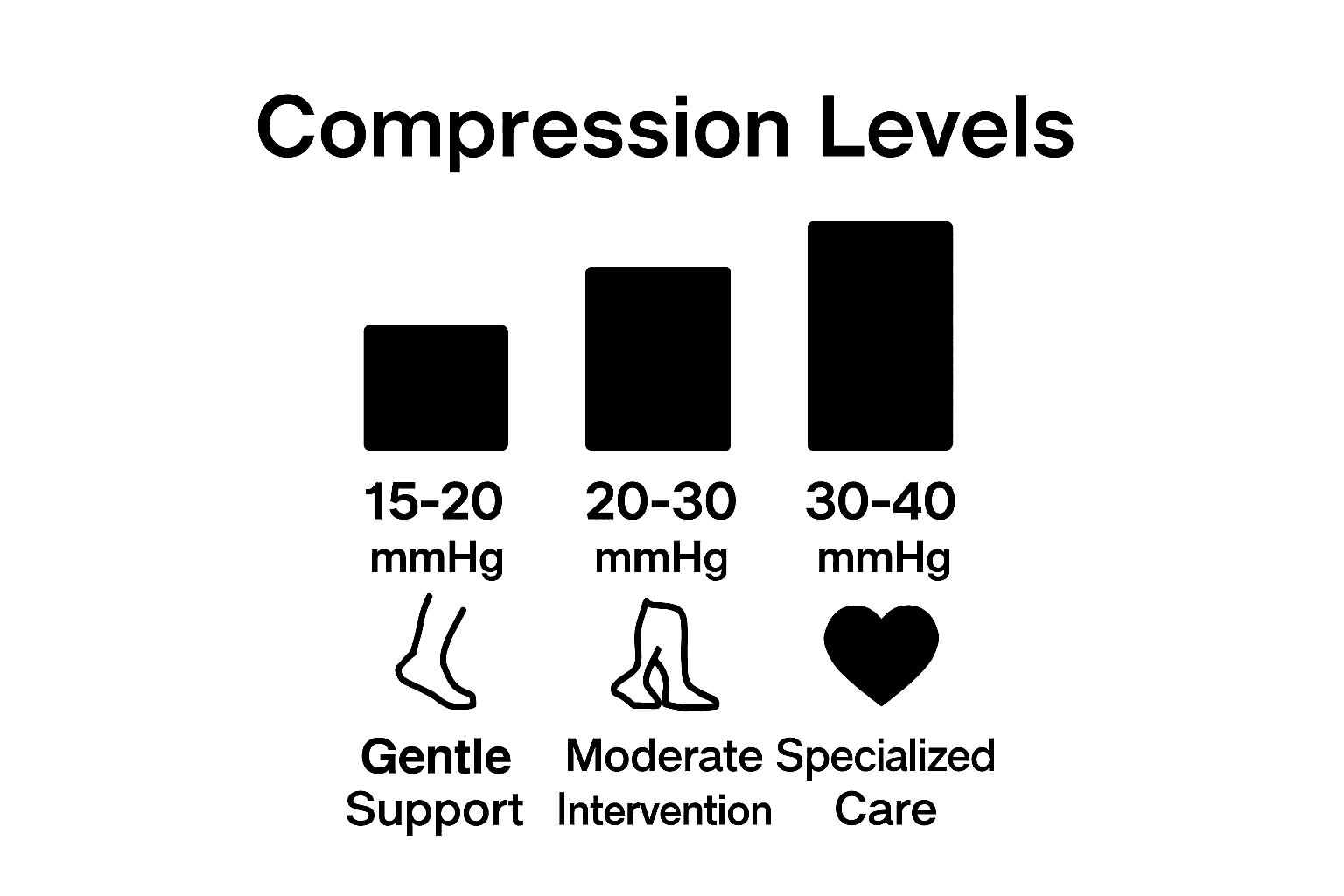
Below is a comparison of typical compression pressure levels found in postpartum stockings, along with their intended uses, to help guide selection based on individual recovery needs.
| Compression Level | Pressure Range (mmHg) | Intended Use |
|---|---|---|
| Mild | 15-20 | General postpartum support and swelling reduction |
| Moderate | 20-30 | Enhanced intervention for higher risk of blood clots or severe edema |
| Firm | 30-40 | Specialized medical management for complex circulatory conditions |
 :
:
- 15-20 mmHg: Gentle support for general postpartum recovery
- 20-30 mmHg: Enhanced circulatory intervention for higher-risk scenarios
- 30-40 mmHg: Specialized medical management for complex circulatory conditions
Holistic Recovery and Long-Term Health Implications
Compression therapy transcends immediate postpartum recovery, offering potential long-term health benefits. By supporting the body’s natural healing processes, these interventions help prevent potential complications such as deep vein thrombosis, chronic venous insufficiency, and prolonged inflammation. The strategic application of compression promotes faster recovery, reduces physical discomfort, and supports women’s overall physiological restoration during this transformative period.
Experience Targeted Postpartum Relief with Trusted Compression Solutions
After childbirth, managing swelling, fatigue, and circulatory changes can slow your recovery. The realities of postpartum healing are often overwhelming, especially with the risk of deep vein thrombosis and persistent discomfort. As explored in this article, finding the right postpartum compression stockings with the correct pressure and fit is essential for reducing these risks and supporting your body’s natural healing process.
Discover the difference with our medical-grade selection of Waist High (Pantyhose) and exclusive Jobst brands. At Fit Stockings, you enjoy free shipping, easy returns, and expert sizing support, so you can start recovering with confidence today. Don’t let lingering discomfort hinder your well-being. Browse our specialized postpartum collection now and secure the support your body deserves.
Frequently Asked Questions
What are postpartum compression stockings?
Postpartum compression stockings are specialized garments designed to support women during recovery after childbirth. They provide graduated pressure to the legs, promoting healthy blood circulation and reducing complications such as swelling and deep vein thrombosis (DVT).
How do postpartum compression stockings work?
These stockings utilize graduated compression, which means they apply maximum pressure at the ankle that gradually decreases towards the thigh. This design encourages blood flow upward, prevents pooling in the legs, and aids in managing swelling and fatigue.
What are the benefits of wearing postpartum compression stockings?
The key benefits include reducing swelling and fluid retention, supporting weakened leg muscles, minimizing the risk of DVT, and accelerating recovery by promoting healthy blood circulation during the postpartum period.
What compression level should postpartum compression stockings have?
Postpartum compression stockings typically come in pressure ranges of 15-20 mmHg for gentle support and 20-30 mmHg for more intense therapeutic needs. It’s best to consult a healthcare provider to determine the appropriate compression level for individual recovery needs.