

Understanding Compression Stockings for Nurses
Compression stockings might sound like just another medical accessory for tired legs. But get this. Studies show that properly fitted compression stockings can reduce leg swelling by over 60 percent for nurses after a long shift. Most people think they are just for older adults or for those dealing with serious health problems. The real surprise is that these stockings are a secret weapon for anyone on their feet all day from young professionals to athletes looking to boost everyday comfort and circulation.
Table of Contents
- What Are Compression Stockings And Their Purpose?
- The Importance Of Compression In Nursing And Health
- How Compression Stockings Work For Circulatory Health
- Key Features And Types Of Compression Stockings
- Real-World Benefits For Nurses And Patients
Quick Summary
| Takeaway | Explanation |
|---|---|
| Compression stockings improve blood circulation. | They provide graduated pressure, helping blood flow upward and preventing pooling, especially during prolonged standing. |
| They benefit healthcare professionals significantly. | Nurses and medical staff can reduce leg strain and fatigue during long shifts by wearing compression stockings. |
| Various pressure levels cater to different needs. | Compression stockings are available in mild to extra firm options, addressing specific circulatory issues or prevention strategies. |
| Support for patient recovery is crucial. | These garments accelerate recovery, reduce swelling, and manage chronic conditions like varicose veins and thrombosis. |
| Proper fit is essential for effectiveness. | Selecting the right size and pressure level ensures optimal comfort and therapeutic support to maximize health benefits. |
What are Compression Stockings and Their Purpose?
Compression stockings are specialized medical garments designed to support leg health and improve blood circulation through strategic pressure application. These unique therapeutic socks apply graduated pressure from the ankle upward, helping blood flow more efficiently against gravity and reducing potential complications from prolonged standing or circulatory challenges.
The Science Behind Compression Technology
The fundamental principle of compression stockings involves graduated compression, where pressure is strongest at the ankle and gradually decreases toward the thigh. This design specifically encourages blood to move upward, preventing pooling and reducing the risk of venous disorders. Research from the Mayo Clinic confirms that this mechanical approach supports healthy circulation and reduces leg fatigue.
Key features of compression stockings include:
- Graduated pressure levels measured in mmHg
- Elastic materials that provide consistent compression
- Multiple lengths including knee high, thigh high, and full length
- Different pressure grades for various medical needs
Professional Applications for Healthcare Workers
Nurses and healthcare professionals represent a critical demographic benefiting from compression stockings. Their demanding work environments often require long hours of standing, which can lead to significant leg strain and circulatory challenges. By wearing compression stockings, nurses can mitigate potential health risks associated with prolonged standing.
For those interested in learning more about finding the perfect fit, check out our comprehensive compression stockings fitting guide to ensure optimal comfort and effectiveness.
The Importance of Compression in Nursing and Health
Compression therapy represents a critical intervention in modern healthcare, offering significant benefits for professionals who spend extended periods standing and patients managing various circulatory challenges. The strategic application of graduated pressure transforms how healthcare workers manage their physical well being and how medical professionals address numerous health conditions.
Physiological Benefits for Healthcare Professionals
Nurses and medical staff endure demanding work environments characterized by prolonged standing and continuous movement. These conditions create substantial stress on leg circulation, potentially leading to serious health complications.
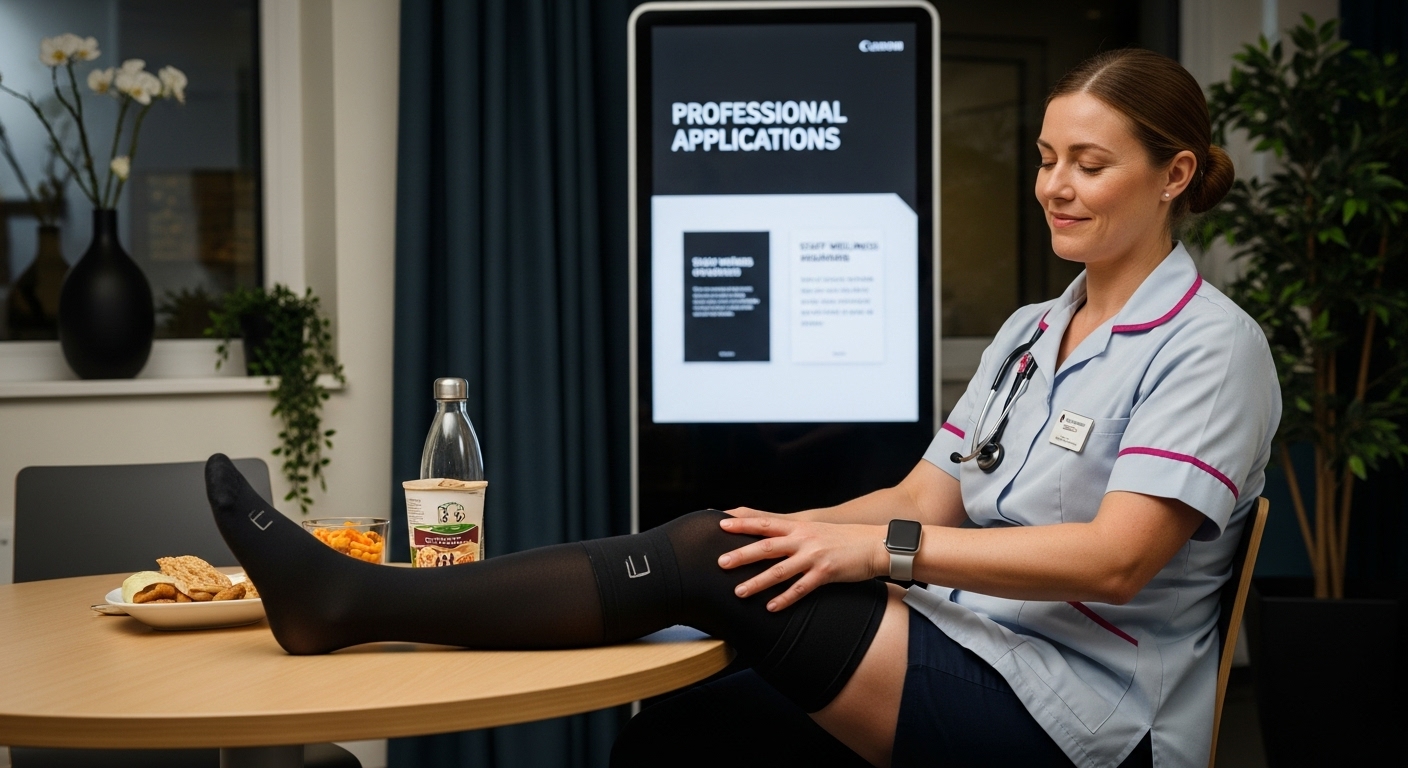 Compression stockings serve as a proactive solution, providing critical support to prevent venous disorders and reduce muscular fatigue.
Key physiological advantages include:
- Reducing leg and ankle swelling
- Minimizing muscle vibration during extended shifts
- Supporting proper blood circulation against gravitational challenges
- Preventing potential development of varicose veins
- Decreasing overall leg discomfort and potential long term health risks
Medical Applications Beyond Professional Use
Research from the National Institutes of Health confirms compression therapy’s effectiveness in preventing venous thromboembolism and supporting patients with various circulatory challenges. The therapeutic applications extend far beyond professional healthcare settings, addressing conditions like diabetes related circulation issues, lymphatic disorders, and post surgical recovery.
For healthcare professionals interested in understanding potential limitations, learn about compression therapy contraindications to ensure safe and effective usage. Understanding these nuanced medical considerations helps nurses and medical staff make informed decisions about compression therapy implementation.
How Compression Stockings Work for Circulatory Health
Compression stockings function as a sophisticated medical technology designed to enhance blood circulation through precision engineered pressure application. By creating strategic external pressure on leg tissues, these specialized garments actively combat gravitational challenges and support the body’s natural venous return mechanisms.
The Biomechanical Principles of Compression
Research from the National Library of Medicine reveals that compression stockings operate through a precise graduated pressure system. The mechanical design ensures maximum pressure at the ankle, gradually decreasing as the garment extends upward.
This intentional pressure gradient creates a pumping effect that actively pushes blood back toward the heart, counteracting the natural downward pull of gravity.
Key biomechanical mechanisms include:
- Creating external mechanical pressure on blood vessel walls
- Reducing venous diameter to increase blood flow velocity
- Preventing blood pooling in lower extremities
- Supporting weakened vascular walls
- Enhancing lymphatic drainage
Physiological Impact on Circulatory System
The compression mechanism goes beyond simple pressure application. By supporting venous walls and improving blood flow efficiency, these stockings significantly reduce the risk of circulatory complications. The controlled compression helps prevent conditions like deep vein thrombosis, reduces leg swelling, and minimizes muscle fatigue during extended periods of standing or sitting.
For those interested in exploring compression solutions tailored to specific needs, our comprehensive guides offer detailed insights into selecting the most appropriate compression technology for individual health requirements.
Key Features and Types of Compression Stockings
Compression stockings represent a nuanced medical technology with diverse configurations designed to address specific healthcare needs. Understanding the intricate features and variations enables healthcare professionals to select optimal compression solutions tailored to individual physiological requirements and professional demands.
Compression Levels and Pressure Measurements
According to the Mayo Clinic, compression stockings are categorized by their pressure levels measured in millimeters of mercury (mmHg). These graduated pressure ranges determine their therapeutic effectiveness and medical application.
Compression levels typically include:
The table below categorizes the main types of compression stockings by their pressure level, typical use cases, and target users to help you quickly compare your options.
| Compression Level | Pressure (mmHg) | Typical Use Cases | Target Users |
|---|---|---|---|
| Mild Compression | 8-15 | Everyday wear, prevention of minor swelling | General population, professionals |
| Moderate Compression | 15-20 | Mild varicose veins, pregnancy, travel | Pregnant women, mild discomfort |
| Firm Compression | 20-30 | Significant circulatory issues, post-surgical | Medical patients, post-surgery |
| Extra Firm Compression | 30-40 | Severe venous conditions, lymphedema management | Severe cases, medical supervision |
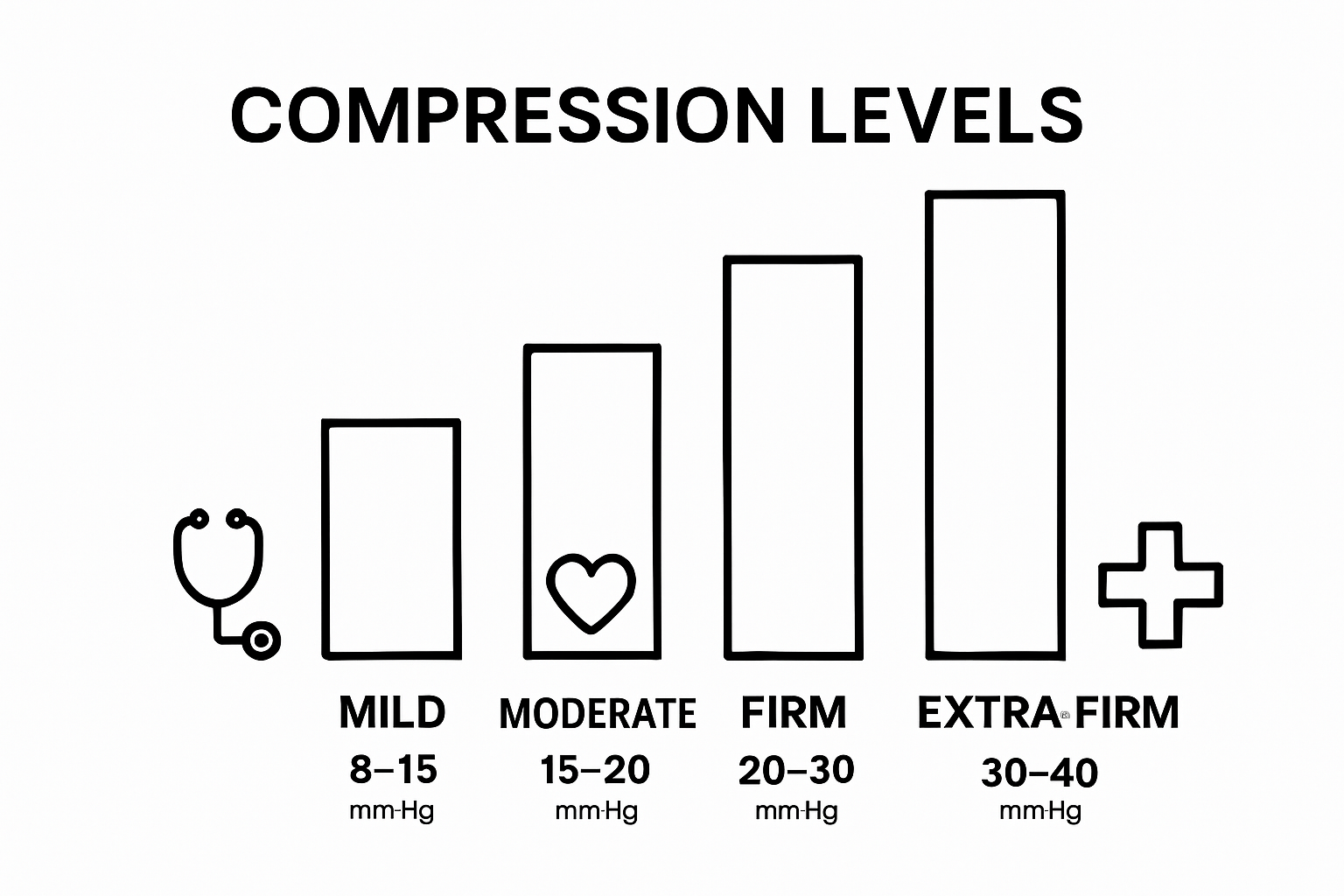
- Mild Compression (8-15 mmHg): Ideal for everyday wear and prevention of minor swelling
- Moderate Compression (15-20 mmHg): Recommended for mild varicose veins and during pregnancy
- Firm Compression (20-30 mmHg): Used for more significant circulatory issues and post surgical recovery
- Extra Firm Compression (30-40 mmHg): Prescribed for severe venous conditions and lymphedema management
Material Composition and Design Variations
Modern compression stockings are engineered using advanced textile technologies that balance therapeutic effectiveness with wearer comfort. Materials range from moisture wicking synthetic blends to breathable natural fibers, each offering unique benefits for healthcare professionals with demanding work environments.
Stocking designs vary across multiple parameters:
- Open toe versus closed toe configurations
- Knee high, thigh high, and full length options
- Opaque and sheer fabric variations
- Reinforced heel and toe sections
To understand the subtle distinctions between different compression garment types, healthcare professionals can explore our comprehensive guide for making informed selection decisions.
Real-World Benefits for Nurses and Patients
Compression stockings represent more than a medical accessory.
This table summarizes the primary occupational and therapeutic benefits of compression stockings for both nurses and patients, highlighting how each group gains from usage.
| Benefit | Impact on Nurses | Impact on Patients |
|---|---|---|
| Reduces leg and ankle fatigue | Less tiredness after long shifts | Less swelling after surgery/treatment |
| Prevents venous disorders | Lowers risk from prolonged standing | Reduces risk of blood clots (DVT) |
| Minimizes muscle vibration | Eases movement and reduces potential strain | Enhances comfort during recovery |
| Enhances blood circulation | Improves leg health in demanding environments | Helps manage chronic venous issues |
| Accelerates recovery/manages swelling | Not directly applicable | Faster post-surgical healing, lymphedema |
Occupational Health Advantages for Nurses
Research from the National Institutes of Health demonstrates that compression stockings significantly mitigate the physical challenges nurses encounter during extended shifts. Healthcare professionals experience remarkable improvements in leg health and overall workplace wellness through strategic compression technology.
Key occupational benefits include:
- Reducing leg and ankle fatigue during long hospital shifts
- Minimizing risk of venous disorders associated with prolonged standing
- Decreasing muscle vibration and potential strain
- Supporting proper blood circulation throughout demanding work periods
- Preventing potential development of chronic leg discomfort
Patient Recovery and Therapeutic Applications
Beyond professional use, compression stockings play a transformative role in patient recovery and chronic condition management. The technology provides critical support for individuals managing circulatory challenges, post surgical healing, and various medical interventions.
Compression therapy offers comprehensive advantages for patients:
- Accelerating recovery from surgical procedures
- Managing lymphatic drainage and swelling
- Supporting treatment for varicose veins
- Reducing risks of deep vein thrombosis
- Enhancing overall circulatory system performance
For those interested in exploring everyday compression solutions, our comprehensive guides provide detailed insights into maximizing compression technology benefits.
Find Relief and Confidence in Compression Solutions for Nurses
Nursing demands long hours on your feet, leading to tired legs, swelling, and ongoing discomfort. These are common challenges discussed in our guide to compression stockings for nurses, where we explore how graduated compression and the right materials help maintain healthy circulation, reduce fatigue, and prevent venous issues. If you are searching for proven support that fits your busy shifts, Fit Stockings empowers you to make self-care part of your daily routine by offering a wide selection of medical-grade options trusted by professionals.
Explore our specialized Jobst collection crafted for healthcare workers who need targeted support in different compression gradients and styles tailored to nursing demands. Take the first step toward healthier, more comfortable legs by browsing our curated solutions at Fit Stockings. Every moment on the job is important, so make a confident choice for your circulatory health. Shop now and feel the difference in your next shift.
Frequently Asked Questions
What are compression stockings and how do they work?
Compression stockings are specialized medical garments designed to improve blood circulation in the legs by applying graduated pressure. The pressure is highest at the ankle and gradually decreases up the leg, helping to prevent blood pooling and support venous return against gravity.
What are the benefits of wearing compression stockings for nurses?
Wearing compression stockings helps nurses reduce leg and ankle fatigue, prevent venous disorders caused by prolonged standing, minimize muscle vibration, and enhance blood circulation, ultimately improving their overall occupational health during long shifts.
What compression levels are available in compression stockings?
Compression stockings come in various levels measured in mmHg, including mild compression (8-15 mmHg), moderate compression (15-20 mmHg), firm compression (20-30 mmHg), and extra firm compression (30-40 mmHg). Each level is tailored for specific medical needs and issues.
How do I choose the right size and type of compression stockings?
To choose the right size and type of compression stockings, consider consulting a fitting guide that accounts for your leg measurements and specific health concerns. Additionally, select between open toe or closed toe designs, knee-high, thigh-high, or full-length options based on your comfort and needs.
Recommended
- Compression Stockings Fitting Guide 2025: Find the Perfect Fit – Fit Stockings
- The Ultimate Guide to Compression Stockings: Comfort, Health, and Styl – Fit Stockings
- Putting on Compression Stockings: A Step-by-Step Guide – Fit Stockings
- Understanding Compression Stockings for Men: Essential Guide – Fit Stockings
- Endless Paperwork: How Administrative Tasks Impact Healthcare Professionals – VectorCare