

Understanding Massage for Swollen Legs: A Deep Dive
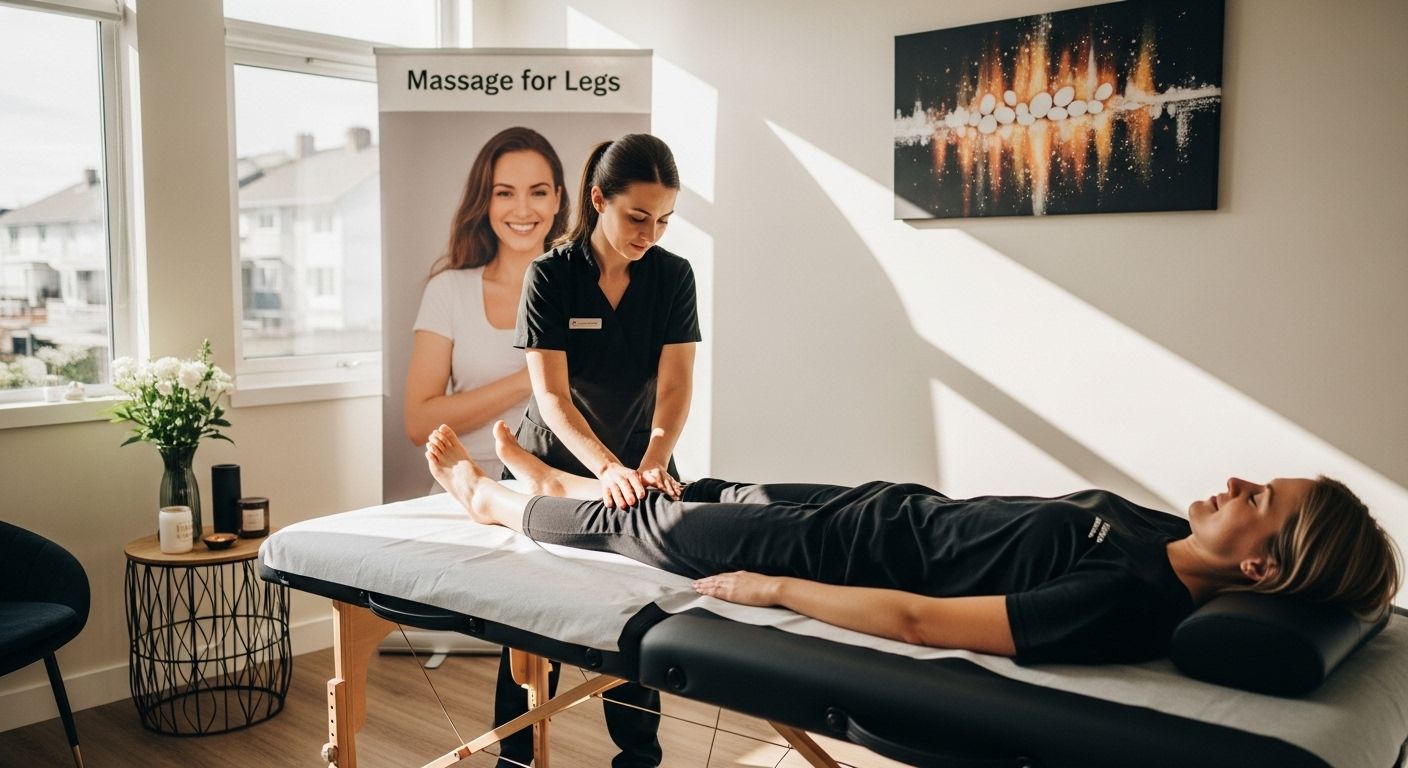
Leg swelling can creep up suddenly, leaving your legs feeling heavy and tight and it affects millions every year. Most people think it is just because of standing for too long or an unlucky injury. But more often, it’s your body sending signals about something deeper going on and massage therapy has been shown to significantly transform how your body handles fluid and inflammation. That one detail can completely shift how you think about swollen legs and recovery.
Table of Contents
- The Science Behind Leg Swelling: Causes And Effects
- What Is Massage Therapy And How Does It Help Swelling?
- Why Massage For Swollen Legs Matters In Health And Recovery
- The Benefits Of Regular Massage For Circulation And Leg Health
- Key Techniques And Concepts In Massage For Swollen Legs
Quick Summary
| Takeaway | Explanation |
|---|---|
| Leg swelling indicates potential health issues. | Persistent swelling may signal chronic venous insufficiency or other serious conditions. Seek medical advice if swelling continues. |
| Massage therapy reduces leg swelling effectively. | Targeted massage can enhance lymphatic drainage, decrease inflammation, and promote blood flow, aiding in fluid management. |
| Regular massage benefits overall leg health. | Consistent massage supports circulation, reduces tension, and may prevent complications like blood clots, especially for those with sedentary lifestyles. |
| Employ specific massage techniques for relief. | Utilize techniques like lymphatic drainage and soft tissue manipulation for optimal fluid management and to alleviate swelling effectively. |
| Massage aids emotional and physical recovery. | Therapeutic touch releases endorphins, reducing stress and promoting overall well-being, enhancing both physical and mental health. |
The Science Behind Leg Swelling: Causes and Effects
Leg swelling represents a complex physiological response where fluid accumulates in the lower extremities, creating noticeable changes in tissue volume and texture. Understanding the underlying mechanisms helps patients recognize potential health signals and seek appropriate interventions.
Physiological Mechanisms of Fluid Retention
At its core, leg swelling occurs when fluid leaks from tiny blood vessels called capillaries into surrounding soft tissues. Research from the National Institutes of Health indicates this process can stem from multiple interconnected factors:
- Increased capillary pressure disrupting normal fluid exchange
- Compromised lymphatic drainage systems
- Reduced protein levels in blood that normally help retain fluid
Several critical bodily systems contribute to this phenomenon. Venous circulation plays a crucial role, with weakened vein walls or damaged valves leading to blood pooling and subsequent fluid accumulation. Simultaneously, the lymphatic system becomes overwhelmed, unable to efficiently remove excess interstitial fluid.
Clinical Implications and Health Indicators
Swollen legs are not merely a cosmetic concern but potentially significant health indicators. According to the Mayo Clinic, leg swelling can signal underlying conditions such as:
- Chronic venous insufficiency
- Cardiovascular disorders
- Kidney or liver dysfunction
- Inflammatory responses
Professional medical evaluation becomes essential when leg swelling persists, as it might indicate systemic health challenges requiring targeted treatment. Learn more about managing leg health during recovery.
The complexity of leg swelling underscores the importance of understanding individual physiological responses. While temporary swelling can result from prolonged standing or minor injuries, persistent edema demands comprehensive medical assessment to identify and address root causes.
To help readers easily compare different causes and potential health implications of leg swelling, the following table summarizes the main physiological mechanisms and common clinical conditions discussed in this section.
| Underlying Cause | Physiological Mechanism | Related Health Indicators/Conditions |
|---|---|---|
| Increased capillary pressure | Fluid leaks into surrounding tissues from capillaries | Chronic venous insufficiency, heart failure |
| Compromised lymphatic drainage | Ineffective removal of interstitial fluid | Lymphedema, lymphatic dysfunction |
| Reduced blood protein levels | Decreased oncotic pressure, inability to retain fluid | Kidney or liver dysfunction |
| Weakened veins or damaged valves | Blood pools in lower extremities, causing swelling | Venous insufficiency, varicose veins |
| Inflammatory response | Tissue inflammation increases permeability and swelling | Injury, autoimmune disorders, infections |
What is Massage Therapy and How Does it Help Swelling?
Massage therapy represents a targeted therapeutic approach designed to manipulate soft tissues, stimulate circulation, and promote healing in the body. By applying strategic pressure and movement techniques, massage can effectively address leg swelling and associated discomfort through multiple physiological mechanisms.
The Fundamental Principles of Massage for Swelling
Research published in clinical journals demonstrates that massage therapy works by modulating inflammatory responses and facilitating fluid movement within the body. The primary techniques involve gentle, directional movements that encourage lymphatic drainage and reduce fluid accumulation in swollen tissues.
Specifically, massage for swollen legs focuses on several key objectives:
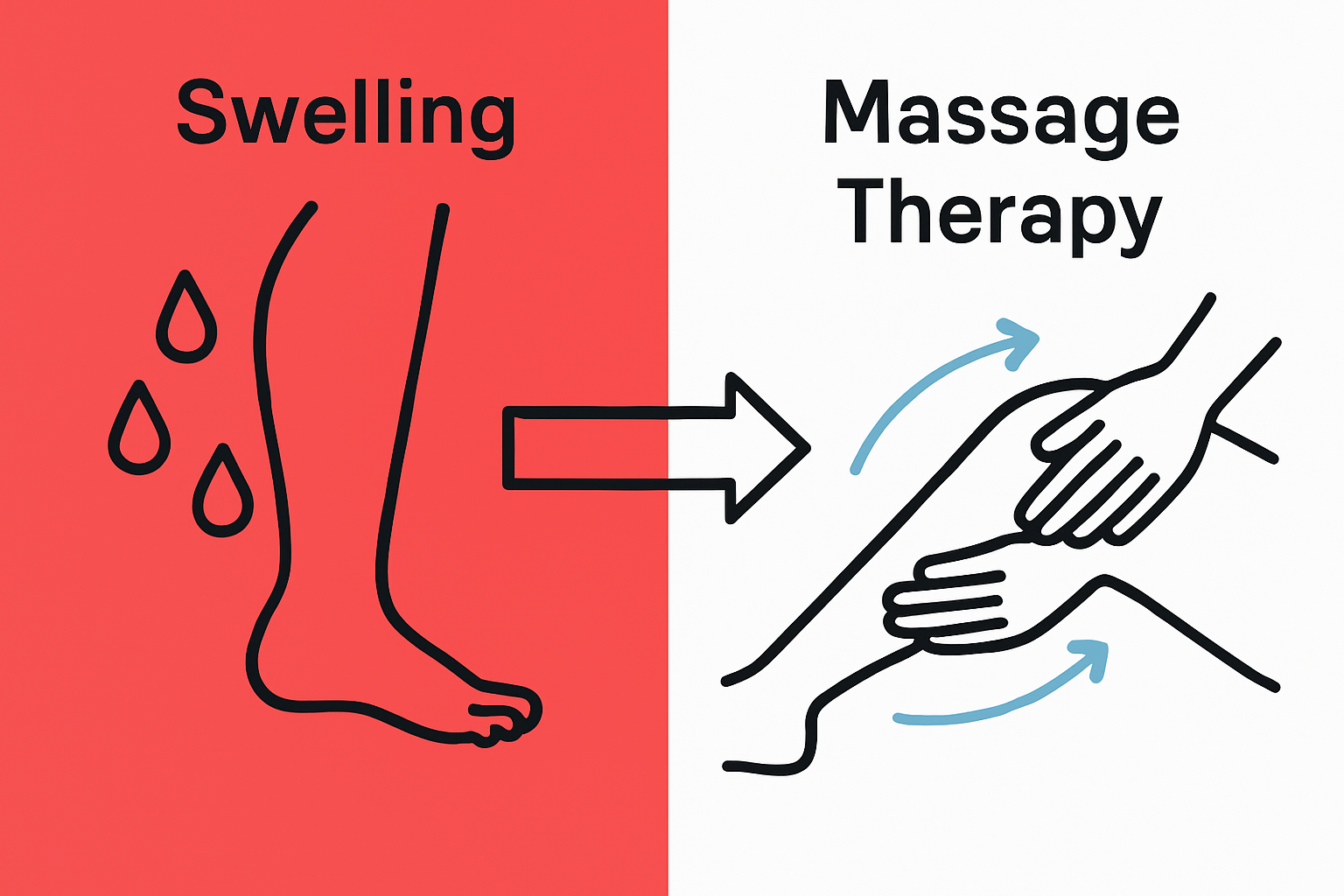
- Stimulating lymphatic circulation
- Reducing localized inflammation
- Promoting blood flow and fluid redistribution
- Alleviating muscular tension associated with swelling
These techniques leverage the body’s natural healing mechanisms, helping to redirect excess fluid and reduce tissue congestion. Consistent and proper massage can significantly impact fluid dynamics in the lower extremities.
Physiological Mechanisms of Massage Intervention
When applied correctly, massage therapy triggers a cascade of beneficial physiological responses. Pressure and movement stimulate the lymphatic system, which acts as the body’s natural drainage network. This stimulation helps remove excess interstitial fluid, reducing swelling and promoting faster recovery.
Additionally, massage can help break down potential scar tissue and adhesions that might impede fluid movement. According to clinical observations, the technique can be particularly effective for individuals experiencing chronic leg swelling or those with sedentary lifestyles.
Learn more about comprehensive approaches to leg health and recovery. Understanding massage as a therapeutic intervention requires recognizing its nuanced impact on the body’s intricate fluid management systems.
Why Massage for Swollen Legs Matters in Health and Recovery
Massage therapy transcends mere physical manipulation, emerging as a critical intervention for individuals experiencing leg swelling and seeking comprehensive health restoration. By addressing both physiological and psychological dimensions, massage offers a holistic approach to managing leg-related health challenges.
Comprehensive Health Benefits Beyond Fluid Reduction
According to the Mayo Clinic, massage therapy provides multifaceted health advantages that extend far beyond simple fluid management. The technique significantly impacts overall wellness through several interconnected mechanisms:
- Reducing chronic muscular tension
- Improving circulatory system functionality
- Decreasing stress and psychological strain
- Enhancing immune system responsiveness
Targeted massage interventions can transform how the body processes inflammation and manages recovery, making it an essential strategy for individuals dealing with persistent leg swelling.
Psychological and Physiological Recovery Pathways
The connection between physical touch and healing runs deeper than surface-level relief. Clinical observations reveal that massage triggers complex neurological responses, stimulating the release of endorphins and reducing cortisol levels. This biochemical shift not only alleviates physical discomfort but also promotes mental relaxation and emotional resilience.
For individuals experiencing chronic leg swelling, massage represents more than a therapeutic technique. It becomes a powerful tool for reclaiming bodily autonomy and rebuilding confidence in one’s physical capabilities. Learn more about comprehensive leg health strategies that can complement massage therapy.
Understanding massage as a recovery pathway requires recognizing its nuanced impact on the intricate balance between physical function and emotional well-being. By addressing both systemic and personal dimensions of health, massage emerges as a sophisticated intervention for holistic leg wellness.
The Benefits of Regular Massage for Circulation and Leg Health
Regular massage emerges as a powerful intervention for maintaining optimal leg health and enhancing circulatory system performance. By strategically manipulating soft tissues, massage therapy creates a comprehensive approach to supporting vascular function and preventing potential health complications.
Physiological Impact on Blood Flow Dynamics
Research examining lower limb hemodynamics demonstrates that targeted massage techniques can significantly improve blood circulation. The process works through several intricate mechanisms:
- Stimulating microcirculatory pathways
- Reducing vascular resistance
- Promoting more efficient blood vessel dilation
- Encouraging lymphatic fluid movement
Consistent massage interventions can transform how the body manages circulatory challenges, particularly for individuals experiencing reduced mobility or chronic circulatory conditions.
Comprehensive Health Benefits of Circulatory Massage
Beyond immediate blood flow improvements, regular massage offers profound systemic health advantages. The technique goes far beyond simple muscle manipulation, creating a holistic approach to leg wellness. Massage helps prevent potential complications by:
- Reducing risk of blood clot formation
- Minimizing inflammation in soft tissues
- Supporting metabolic waste removal
- Enhancing overall cardiovascular resilience
Particularly for individuals with sedentary lifestyles or underlying health conditions, massage becomes a critical preventative health strategy. Explore advanced techniques for leg circulation support that can complement massage therapy.
Understanding massage as a circulation enhancement tool requires recognizing its multifaceted impact on the body’s intricate vascular network. By addressing both immediate physiological responses and long-term health maintenance, massage emerges as a sophisticated intervention for comprehensive leg wellness.
Key Techniques and Concepts in Massage for Swollen Legs
Massage techniques for addressing leg swelling represent a sophisticated approach to managing fluid accumulation and promoting overall leg health. These methods go beyond simple touch, incorporating precise movements and strategic interventions designed to support the body’s natural healing mechanisms.
Foundational Massage Techniques for Fluid Management
Research in complete decongestive physiotherapy highlights several critical massage approaches specifically tailored to managing leg swelling. The most effective techniques focus on:
- Directional lymphatic drainage movements
- Gentle tissue mobilization
- Soft tissue manipulation to reduce fibrosis
- Strategic pressure application
Precise massage techniques can significantly influence the body’s fluid dynamics, transforming how swelling is managed and potentially preventing long-term complications.
Advanced Tissue Mobilization Strategies
Sophisticated massage interventions involve more than surface-level manipulation. Practitioners utilize advanced techniques that target deep tissue structures and promote comprehensive healing. These methods include:
- Transverse muscle rolling techniques
- Skin shearing to soften fibrous deposits
- Targeted pressure point stimulation
- Systematic tissue restructuring approaches
Professional massage therapists understand that each leg presents unique challenges, requiring personalized and adaptive massage strategies. Learn more about comprehensive leg recovery techniques that complement these specialized massage approaches.
Understanding massage for swollen legs demands recognizing the intricate interplay between touch, bodily systems, and healing mechanisms. By approaching massage as a nuanced therapeutic intervention, individuals can unlock powerful strategies for managing leg health and reducing swelling.
Support Your Swollen Legs with Proven Compression Solutions
Frequent leg swelling can lead to discomfort, frustration, and concerns about your long-term health. As highlighted in this deep dive, factors like fluid retention and compromised circulation are central challenges for anyone living with swollen legs. While massage therapy helps manage these symptoms, neglecting the underlying need for continuous support can slow your progress or even cause setbacks. Elevate your recovery routine by incorporating medical-grade compression stockings, a trusted method recommended for venous and lymphatic conditions.
Ready to take back control of your leg health? Visit Fit Stockings to discover a wide range of expertly curated compression stockings designed for effective therapy and everyday comfort. Learn more about how compression therapy works in daily life or explore our selection of stockings for all needs. Do not leave your leg health to chance. Equip yourself with the right tools today for noticeable relief and improved mobility.
Frequently Asked Questions
What causes leg swelling and how can massage help?
Leg swelling, or edema, occurs when fluid accumulates in the lower extremities due to increased capillary pressure or compromised lymphatic drainage. Massage helps by stimulating lymphatic circulation, reducing inflammation, and promoting blood flow, which can alleviate swelling.
How often should I get a massage for swollen legs?
For effective management of swollen legs, it’s recommended to receive regular massages, ideally once or twice a week. Consistency helps maintain fluid balance, improve circulation, and reduce discomfort over time.
Are there specific techniques in massage therapy that target swollen legs?
Yes, effective techniques for swollen legs include directional lymphatic drainage movements, gentle tissue mobilization, and specific pressure applications. These techniques are designed to facilitate fluid movement and reduce swelling in the legs.
Can anyone benefit from massage for swollen legs, or is it only for certain conditions?
While anyone can benefit from massage for swollen legs, it is especially helpful for individuals with conditions like chronic venous insufficiency, sedentary lifestyles, or those recovering from injuries. However, a professional evaluation is recommended for severe or persistent swelling.
Recommended
- Best Stretches for Legs: Support Circulation and Comfort – Fit Stockings
- Recovery After Injury: Essential Steps for Healthy Legs – Fit Stockings
- What Is Compression Therapy? Guide for Vein & Leg Health 2025 – Fit Stockings
- Leg Swelling During Pregnancy: Causes, Relief, and Prevention – Fit Stockings