

Understanding Symptoms of Blood Clots in Legs
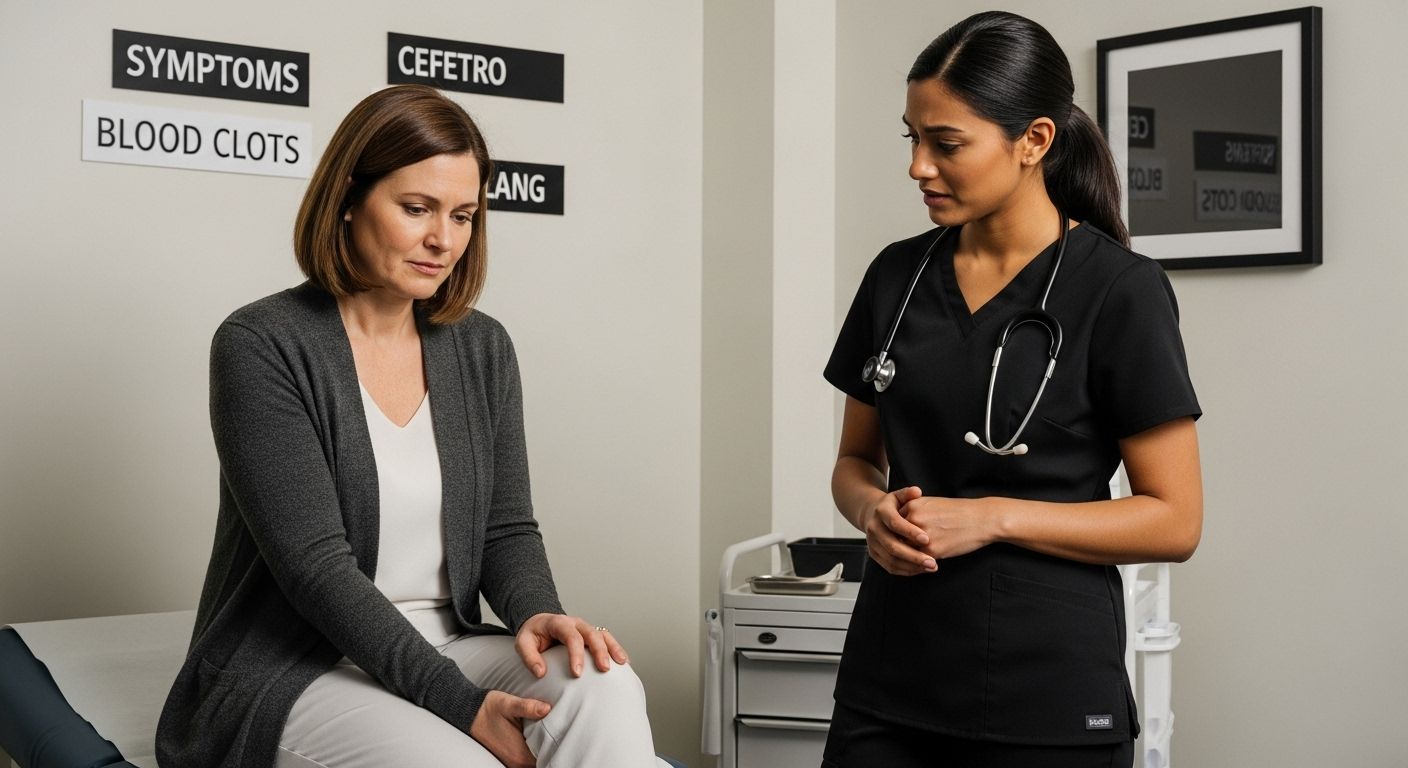
Blood clots are often seen as a simple fix nature invented to stop bleeding and patch up wounds. Surprisingly, one in three people who experience deep vein thrombosis develop long-term complications that can seriously impact daily life. Most people only think about clots after an injury, but these hidden blockages can turn into life-threatening emergencies with barely any warning.
Table of Contents
- What Are Blood Clots And Why Do They Occur?
- Key Symptoms Of Blood Clots In The Legs
- The Importance Of Recognizing Symptoms Early
- How Blood Clots Affect Leg Function And Health
- Common Risk Factors For Developing Blood Clots
Quick Summary
| Takeaway | Explanation |
|---|---|
| Blood clots can be life-threatening | While essential for healing, abnormal clots can lead to serious health issues like strokes and pulmonary embolisms. |
| Recognize key symptoms early | Critical symptoms such as swelling, pain, and discoloration in legs can indicate a blood clot and require immediate medical attention. |
| Know your risk factors | Factors like immobility, obesity, and genetics significantly increase the chance of developing blood clots, making proactive health strategies essential. |
| Early detection prevents complications | Timely identification of symptoms can reduce risks like permanent damage and long-term circulatory problems, improving health outcomes. |
| Maintain healthy lifestyle choices | Lifestyle factors such as exercise, weight management, and avoiding smoking can greatly reduce blood clot risk and enhance overall health. |
What Are Blood Clots and Why Do They Occur?
Blood clots are complex physiological responses that play a critical role in human healing and potentially serious medical conditions. At their core, blood clots are gel-like collections of blood that form when blood transitions from its liquid state to a more solid state. While this process is essential for stopping bleeding after an injury, abnormal clotting can lead to significant health complications.
The Natural Clotting Process
Blood clotting is a sophisticated biological mechanism designed to protect the body. When a blood vessel experiences damage, multiple components work together to create a protective seal. Learn more about preventing blood clots and understand this intricate process. The clotting sequence involves several key steps:
- Platelets rush to the site of vessel injury
- Chemical signals are released by damaged cells
- A platelet plug initially forms to slow blood loss
- Fibrin, a sticky protein, creates a mesh to stabilize the clot
Potential Triggers for Blood Clot Formation
Multiple factors can increase an individual’s risk of developing problematic blood clots. According to research from the National Heart, Lung, and Blood Institute, these risk factors include:
- Prolonged immobility or extended bed rest
- Surgical procedures, especially involving lower body
- Certain chronic medical conditions like heart or lung disease
- Hormonal changes such as pregnancy or contraceptive use
- Inherited genetic factors affecting blood coagulation
Understanding blood clots requires recognizing their dual nature. While they are crucial for wound healing, abnormal clot formation can obstruct blood flow, potentially leading to serious medical emergencies. Recognizing symptoms and understanding individual risk factors becomes paramount in managing potential complications.
Key Symptoms of Blood Clots in the Legs
Recognizing the symptoms of blood clots in the legs is crucial for early detection and preventing potentially life-threatening complications.
Blood clots can manifest through various physical signs that range from subtle to quite pronounced. Immediate medical attention is essential if multiple symptoms are present.
Physical Manifestations and Warning Signs
Blood clots in the legs, medically known as deep vein thrombosis (DVT), present several distinctive symptoms. According to research from the Mayo Clinic, these symptoms often develop gradually but can escalate quickly. Learn strategies to boost leg circulation and reduce your risk of developing dangerous clots.
Key physical symptoms include:
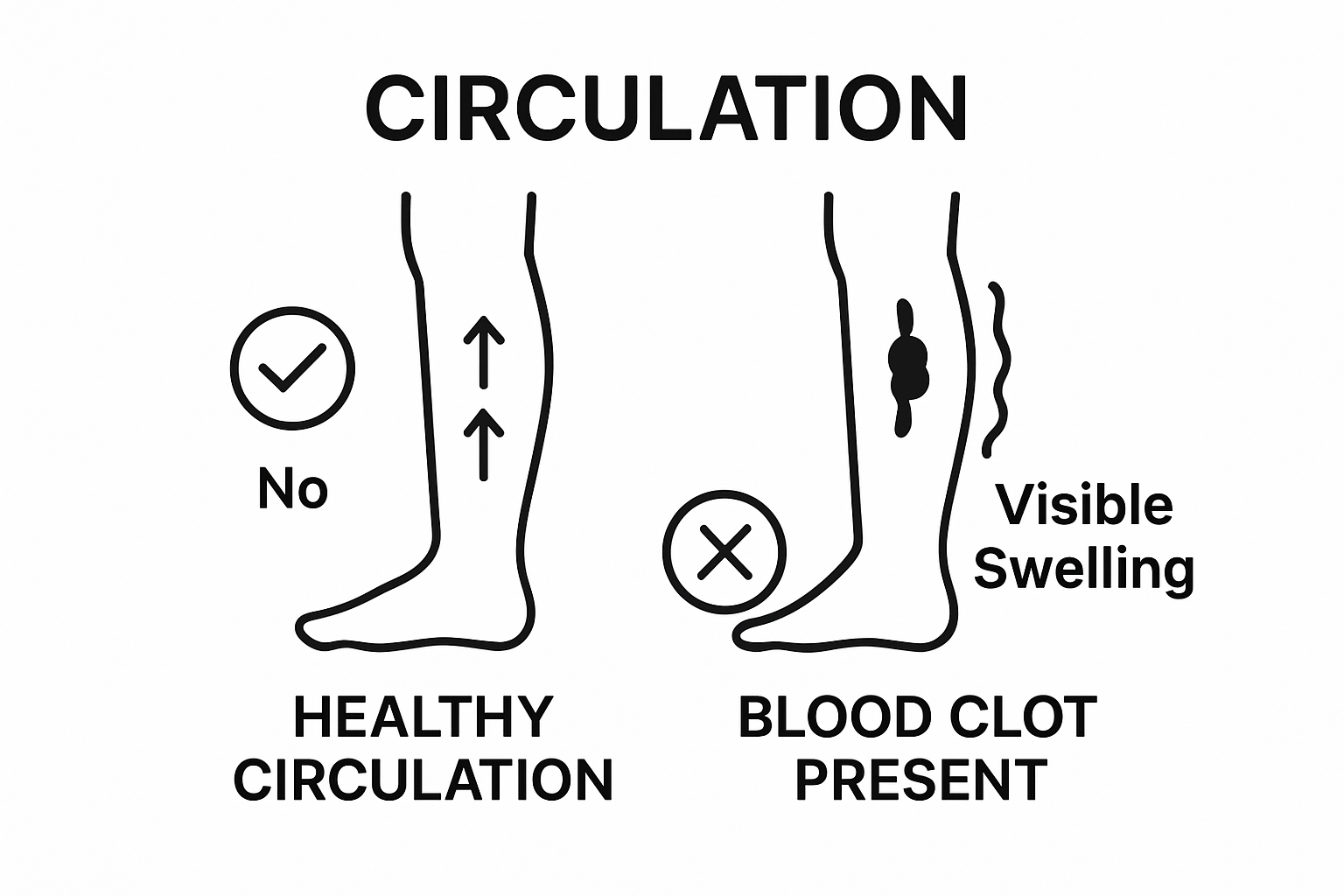
- Unexplained swelling in one leg
- Persistent pain or tenderness, often starting in the calf
- Warmth in the affected leg area
- Skin discoloration ranging from reddish to bluish-purple
- Visible surface veins becoming more prominent
Serious Complications and Red Flags
Some blood clot symptoms signal more severe conditions that require immediate medical intervention. Certain signs might indicate a potential pulmonary embolism, which occurs when a clot breaks loose and travels to the lungs:
- Sudden shortness of breath
- Sharp chest pain that worsens with deep breathing
- Rapid heart rate
- Lightheadedness or fainting
- Coughing up blood
While not every symptom guarantees a blood clot, persistent or combination signs warrant professional medical evaluation. Individual risk factors such as age, medical history, and lifestyle can influence symptom presentation.
The following table summarizes the primary physical symptoms and serious complications associated with blood clots in the legs, helping readers distinguish between common warning signs and red flags requiring urgent attention.
| Symptom Category | Description |
|---|---|
| Swelling | Unexplained swelling, usually in one leg |
| Pain or Tenderness | Persistent pain, often in the calf |
| Warmth | Unusual warmth in the affected leg area |
| Skin Discoloration | Reddish or bluish-purple skin color |
| Prominent Surface Veins | Visible, enlarged veins near the skin surface |
| Sudden Shortness of Breath | Rapid onset, may signal a pulmonary embolism |
| Sharp Chest Pain | Chest pain worsening with deep breaths, warrants immediate action |
| Rapid Heart Rate/Lightheadedness | May accompany serious complications, including fainting or coughing up blood |
The Importance of Recognizing Symptoms Early
Recognizing blood clot symptoms early can mean the difference between a manageable medical condition and a potentially life-threatening emergency. Timely identification and intervention are critical in preventing serious health complications that could permanently impact an individual’s quality of life.
Why Early Detection Matters
Blood clots can quickly transform from a localized issue to a systemic health threat. According to research from the Journal of the American College of Cardiology, early detection significantly reduces morbidity and mortality rates. Learn more about preventing venous complications and understand the critical nature of proactive health monitoring.
Key reasons for prioritizing early symptom recognition include:
- Preventing clot progression and potential migration
- Reducing risk of pulmonary embolism
- Minimizing long-term circulatory damage
- Avoiding extensive medical interventions
- Preserving overall cardiovascular health
Potential Consequences of Delayed Recognition
Ignoring or overlooking initial symptoms can lead to severe and potentially irreversible health consequences. When blood clots are not addressed promptly, they can:
- Cause permanent damage to blood vessels
- Restrict blood flow to critical organs
- Increase risk of stroke
- Potentially result in life-threatening complications
- Create chronic circulatory problems
Early symptom recognition requires heightened awareness and a proactive approach to personal health. Understanding your individual risk factors, maintaining regular medical check-ups, and being attentive to your body’s signals can significantly improve outcomes and prevent potentially devastating health scenarios.
How Blood Clots Affect Leg Function and Health
Blood clots can profoundly disrupt the intricate circulatory system, causing significant challenges to leg function and overall health. These obstructions represent more than just a temporary medical issue they can trigger long-lasting physiological changes that impact mobility and quality of life.
Immediate Physiological Disruptions
When a blood clot forms in the leg, it immediately begins to interfere with normal blood circulation. According to research from the Centers for Disease Control, these disruptions can lead to complex health complications. Discover strategies to boost leg circulation and understand the critical importance of maintaining healthy blood flow.
Key physiological impacts include:
- Reduced oxygen supply to leg muscles
- Increased internal tissue pressure
- Potential damage to vein walls
- Impaired lymphatic drainage
- Compromised inflammatory response
Long-Term Health Consequences
Blood clots can trigger a condition known as post-thrombotic syndrome, which represents a significant long-term health challenge. This syndrome can develop in approximately one-third of individuals who experience deep vein thrombosis, presenting persistent symptoms that dramatically alter leg function:
- Chronic leg pain and heaviness
- Persistent swelling
- Skin discoloration and potential ulceration
- Reduced mobility and flexibility
- Increased risk of future circulatory complications
Understanding these potential consequences underscores the critical importance of proactive medical management and lifestyle interventions. Early detection, appropriate treatment, and ongoing monitoring can significantly mitigate the profound impact blood clots can have on leg health and overall physiological function.
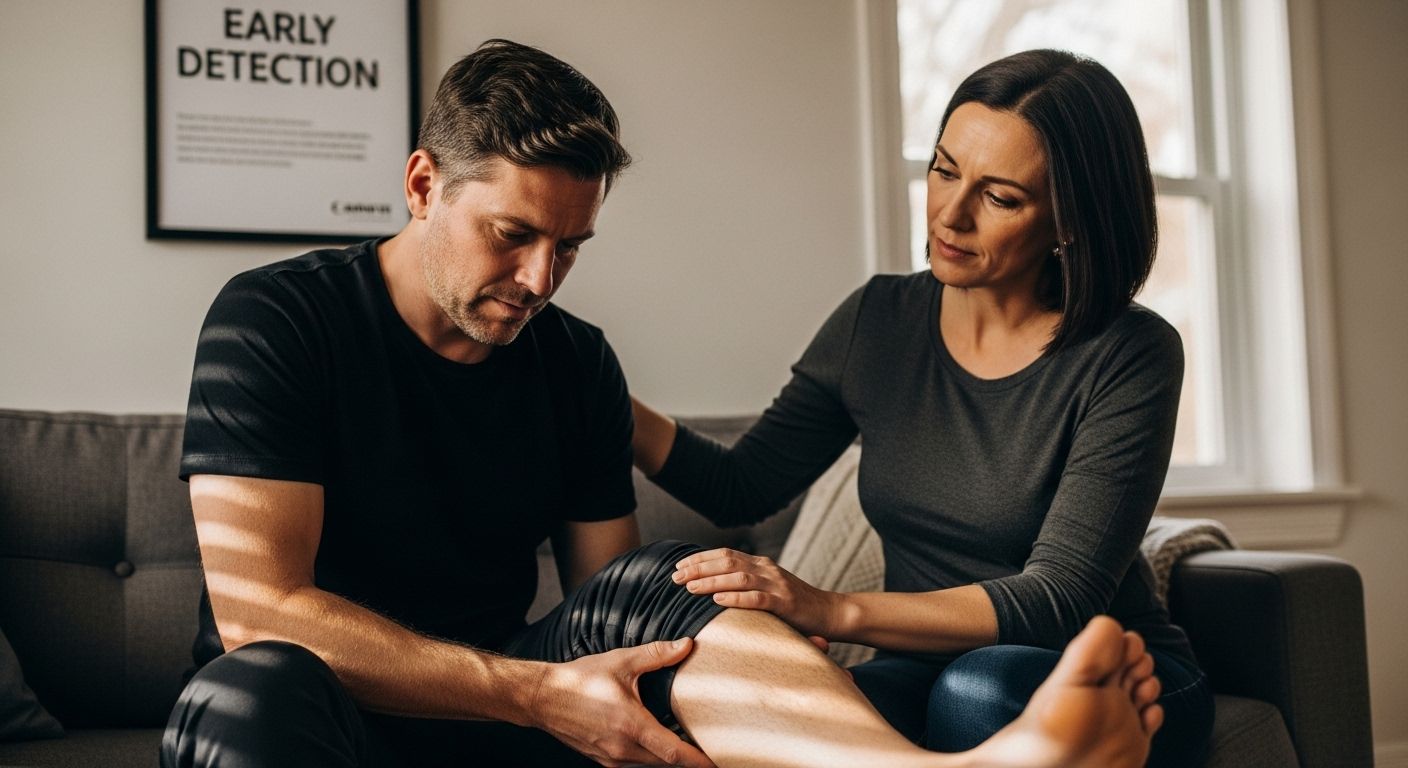
Common Risk Factors for Developing Blood Clots
Blood clots do not occur randomly but emerge from a complex interaction of physiological and lifestyle factors. Understanding these risk factors is crucial for prevention and early intervention, potentially saving individuals from serious health complications.
Lifestyle and Physical Condition Factors
Certain lifestyle choices and physical conditions significantly increase blood clot risk. According to research from the Centers for Disease Control, multiple interconnected elements contribute to clot formation. Learn more about preventing vein complications and protect your circulatory health.
Key lifestyle and physical risk factors include:
- Extended periods of immobility
- Obesity and excess body weight
- Smoking
- Advanced age
- Recent surgical procedures
- Prolonged travel involving extended sitting
Medical and Genetic Predispositions
Some individuals have inherent medical conditions or genetic characteristics that dramatically elevate their blood clot risk. Genetic factors can create predispositions that require careful medical management:
- Inherited blood clotting disorders
- Autoimmune conditions like lupus
- Hormone-related treatments
- Cancer and its treatments
- Cardiovascular diseases
- Family history of blood clots
Recognizing these risk factors empowers individuals to work proactively with healthcare professionals.
This table outlines the main lifestyle, physical, medical, and genetic factors that increase the risk of developing blood clots, making it easier to identify and monitor your own risk profile.
| Risk Factor Type | Example Factors |
|---|---|
| Lifestyle/Physical | Extended immobility, obesity, smoking, advanced age, recent surgery, prolonged travel |
| Medical | Chronic conditions (heart or lung disease), cancer treatments, autoimmune conditions (lupus) |
| Hormonal | Pregnancy, contraceptive use, hormone therapy |
| Genetic | Inherited blood clotting disorders, family history |
| Other | Cardiovascular diseases |
Take Control of Your Leg Health With Trusted Compression Solutions
Are you worried about symptoms like swelling, pain, or skin discoloration in your legs? The article you just read highlights how early recognition of blood clots and maintaining healthy circulation can be life-saving. If you are experiencing warning signs of deep vein thrombosis or want to protect your legs from future risk, taking proactive steps is vital.
Fit Stockings offers a range of medical-grade compression stockings designed to help improve circulation, reduce swelling, and support vein health. Whether you need everyday support or relief from conditions like varicose veins and lymphedema, you can find specially curated products from trusted brands including Jobst. If you are new to compression therapy, our detailed guides can help you find your perfect fit so you can take confident steps toward better leg health.
Prioritize your well-being and act now. Visit Fit Stockings to discover effective solutions and get free shipping on all orders. Do not wait for symptoms to worsen take action today and support your legs with reliable compression therapy.
Frequently Asked Questions
What are the symptoms of blood clots in the legs?
Common symptoms of blood clots in the legs, known as deep vein thrombosis (DVT), include unexplained swelling in one leg, persistent pain or tenderness in the calf, warmth in the affected area, skin discoloration, and visible surface veins becoming more prominent.
How can I tell if a blood clot is serious?
Serious symptoms of a blood clot may include sudden shortness of breath, sharp chest pain that worsens with deep breathing, rapid heart rate, lightheadedness, or coughing up blood. These symptoms may indicate a pulmonary embolism and require immediate medical attention.
What increases my risk of developing blood clots in my legs?
Risk factors for developing blood clots include prolonged immobility, recent surgical procedures, certain chronic medical conditions, hormonal changes, obesity, smoking, and genetic predispositions that affect blood coagulation.
Why is early detection of blood clots in the legs important?
Early detection is crucial as it can prevent the progression of the clot and reduce the risk of serious complications such as pulmonary embolism. Prompt intervention can lead to better health outcomes and minimize long-term circulatory damage.