

Complete Guide to Tips for Medication Management
Nearly one in five adults takes at least five medications every day, raising the risk of accidental mistakes and dangerous interactions. Managing prescriptions can feel overwhelming, especially when balancing complex schedules or multiple health needs. Understanding the basics of medication management puts you in control, helping you avoid errors and protect your well-being through simple, proven strategies.
Key Takeaways
| Point | Details |
|---|---|
| Medication Management Importance | Effective medication management reduces risks and improves health outcomes, making it essential for patients and caregivers to understand. |
| Utilize Technology and Tools | Embrace digital solutions like electronic prescriptions, apps, and pill dispensers to enhance tracking and minimize medication errors. |
| Personal Organization Strategies | Maintain a comprehensive medication log, use organizers, and set consistent reminder times to stay on track with medications. |
| Professional Guidance | Regular consultations with healthcare providers are crucial for reviews and safe coordination of multiple medications and therapies. |
Table of Contents
- Understanding Medication Management Basics
- Types of Medication Management Strategies
- How to Organize and Track Medications
- Preventing Common Medication Mistakes
- Managing Medications With Other Therapies
Understanding Medication Management Basics
Medication management is more than just taking pills on time. It’s a comprehensive approach to ensuring safe, effective treatment that minimizes risks and maximizes health outcomes. Medication errors can have serious consequences, which is why understanding the fundamentals is critical for patients and caregivers alike.
According to research on patient safety, systematic approaches can dramatically reduce medication-related risks. Computerized physician order entry (CPOE) systems can reduce medication error rates by up to 80%, demonstrating how technology plays a crucial role in preventing potential mistakes. These systems offer significant advantages:
- Eliminating handwriting errors
- Providing automatic dosing alerts
- Checking potential medication interactions
- Supporting clinical decision-making
For individuals managing multiple medications, developing a structured approach is essential. This means creating a reliable system for tracking prescriptions, understanding potential interactions, and maintaining clear communication with healthcare providers. Key strategies include:
- Keeping a comprehensive medication list
- Using pill organizers or digital tracking apps
- Understanding each medication’s purpose and potential side effects
- Scheduling regular medication reviews with healthcare professionals
Pro Tip: Always consult your healthcare provider before making any changes to your medication regimen, and don’t hesitate to ask questions about your prescriptions.
Types of Medication Management Strategies
Medication management encompasses a range of strategies designed to help patients safely and effectively handle their prescription treatments. From digital solutions to personal organizational techniques, these approaches aim to reduce errors and improve overall health outcomes.
Digital Tracking Systems
Technology has revolutionized medication management. According to research on healthcare systems, a comprehensive approach combining multiple technological strategies can significantly enhance medication safety. Key digital strategies include:
- Electronic Prescription Tracking: Automatically monitors medication refills and dosages
- Mobile Health Apps: Allow patients to log medications and set reminders
- Smart Pill Dispensers: Provide automated dispensing and alerts for missed doses
Personal Organization Strategies
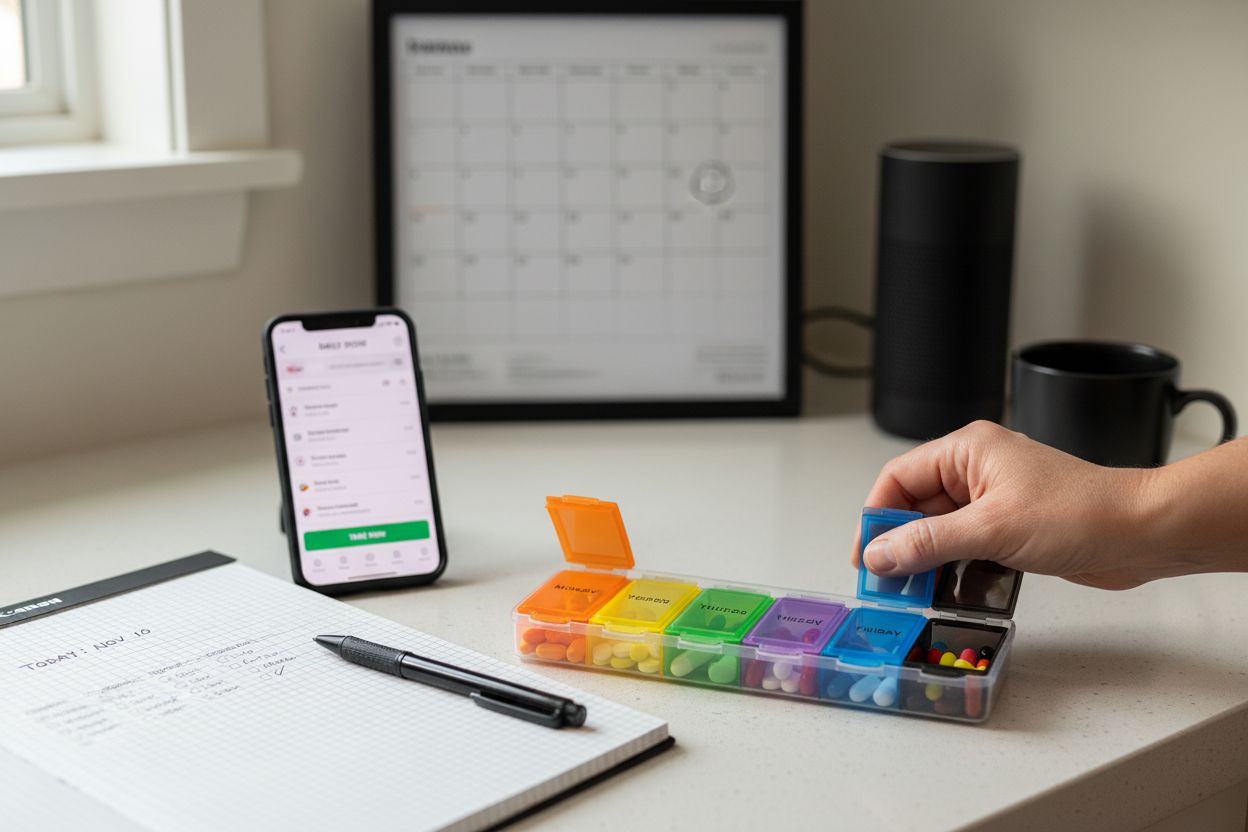
Beyond technology, personal organization plays a crucial role in effective medication management. Practical strategies help patients maintain control and consistency:
- Create a detailed medication log
- Use color-coded pill organizers
- Set consistent daily medication times
- Keep medications in a cool, dry accessible location
Professional Support Approaches
Healthcare professionals offer critical support in medication management. Their strategies include:
- Comprehensive medication reviews
- Interaction risk assessments
- Patient education on proper medication use
- Coordinated care across multiple healthcare providers
Pro Tip: Combine digital tools, personal organization, and professional guidance for the most comprehensive medication management approach.

How to Organize and Track Medications
Medication tracking isn’t just about remembering to take pills - it’s about creating a systematic approach that ensures your health and safety. According to WebMD research, effective medication organization involves multiple strategic tools and techniques that can dramatically improve your treatment adherence.
Essential Tracking Tools
Modern medication management offers several powerful tools to help patients stay on track:
- Pillboxes: Weekly compartmentalized containers for organizing daily doses
- Smartphone Apps: Digital reminders and tracking systems
- Smart Medication Dispensers: Automated devices with alarm features
- Digital Checklists: Electronic logs for tracking medication intake
Step-by-Step Organization Process
Creating a reliable medication tracking system requires a methodical approach. Here’s a practical strategy:
-
Gather all current medications
-
Create a comprehensive medication list
-
Sort medications by frequency and timing
-
Choose appropriate tracking tools
-
Set consistent daily reminder times
Smart Tracking Techniques
Research from iLive Active highlights that proper tracking helps prevent critical issues like missed doses and medication confusion. Additional recommended techniques include:
- Maintain a visible medication chart
- Use single-dose blister packs
- Take photos of medication schedules
- Keep a digital or physical medication journal
Pro Tip: Always consult your healthcare provider when implementing new medication tracking methods to ensure they align with your specific medical needs.
Preventing Common Medication Mistakes
Medication errors can happen to anyone, but understanding their common origins and implementing strategic prevention techniques can dramatically reduce risks. These mistakes aren’t just inconvenient - they can potentially compromise your health and treatment effectiveness.
Common Medication Error Types
Recognizing potential medication mistakes is the first step to prevention. Most errors typically fall into these categories:
- Incorrect dosage administration
- Missed or double doses
- Mixing incompatible medications
- Misunderstanding prescription instructions
- Improper medication storage
Proactive Prevention Strategies
Research on medication error prevention emphasizes establishing responsive and accountable reporting systems. Key prevention strategies include:
- Maintain open communication with healthcare providers
- Double-check medication instructions
- Use medication tracking tools
- Ask questions about potential interactions
- Keep an updated medication list
Critical Safety Practices
Implementing comprehensive safety practices can significantly reduce medication-related risks:
- Always read medication labels carefully
- Use the same pharmacy for all prescriptions
- Understand each medication’s purpose
- Check expiration dates regularly
- Store medications at recommended temperatures
- Keep medications in original containers
Pro Tip: When in doubt about a medication or potential interaction, always consult your healthcare provider or pharmacist before making any changes to your medication routine.
Managing Medications With Other Therapies
Medication therapy management (MTM) is a comprehensive approach that goes beyond simply taking pills. It involves carefully coordinating different treatments to ensure optimal health outcomes and minimize potential risks associated with multiple interventions.
Understanding Polypharmacy
According to research on polypharmacy, managing multiple medications requires a strategic and balanced approach. This is particularly crucial for individuals with chronic conditions or older adults who often require complex treatment regimens:
- Optimize medication combinations
- Balance therapeutic benefits
- Minimize potential adverse interactions
- Regularly review and adjust treatment plans
Key Coordination Strategies
Medication Therapy Management research highlights several critical approaches for effectively managing medications alongside other therapies:
- Comprehensive medication review
- Patient education on treatment interactions
- Side effect monitoring
- Regular follow-up with healthcare providers
- Detailed documentation of treatment progress
Integrated Treatment Approach
Successful medication management involves a holistic strategy that considers multiple aspects of your health:
- Communicate openly with all healthcare providers
- Understand the purpose of each medication
- Track potential interactions between medications and therapies
- Be proactive about reporting side effects
- Consider complementary treatments that support your primary medication regimen
Pro Tip: Always inform every healthcare provider about all medications and therapies you’re currently using to ensure safe and effective treatment coordination.
Take Charge of Your Medication and Circulation Health Today
Struggling to manage medications for circulatory or venous conditions can be overwhelming. The article emphasizes that missed doses and poor coordination can increase health risks, especially if you are juggling complex regimens for issues like varicose veins, lymphedema, or diabetes-related circulation concerns. Effective medication management means staying organized, understanding every treatment, and maintaining your quality of life. But medication alone may not address the root of your discomfort or swelling. If you are searching for practical solutions to support your therapy and enhance your daily comfort, consider how compression therapy can fit into your routine.
Discover how specialized medical-grade compression stockings can become a key part of your overall health plan. The curated selection at Fit Stockings delivers trusted brands, reliable sizing guidance, and supportive customer care. Explore how compression therapy products work alongside your medication routine to support circulation and long-term recovery. Visit Fit Stockings now and take the next step toward better management and greater confidence in your care plan.
Frequently Asked Questions
What is medication management?
Medication management is a comprehensive approach to ensuring safe and effective treatment that minimizes risks and maximizes health outcomes. It involves systematic strategies to track prescriptions, understand potential interactions, and maintain communication with healthcare providers.
How can I organize my medications effectively?
You can organize your medications by creating a detailed medication log, using color-coded pill organizers, setting consistent daily medication times, and keeping medications in a cool, dry, accessible location.
What are common medication errors to avoid?
Common medication errors include incorrect dosage administration, missed or double doses, mixing incompatible medications, misunderstanding prescription instructions, and improper medication storage. Being aware of these can help minimize risks.
What tools can help in tracking medications?
Essential tools for tracking medications include pillboxes, smartphone apps, smart medication dispensers, and digital checklists. These tools can help you stay organized and ensure you take your medications as prescribed.
Recommended
- Understanding Meditation and Pain Management Techniques – Fit Stockings
- Measuring for Compression Stockings: Easy Steps for Better Support in – Fit Stockings
- Does Insurance Cover Compression Stockings? What You Should Know 2025 – Fit Stockings
- Putting on Compression Stockings: A Step-by-Step Guide – Fit Stockings
- Medication Management at Home: How Chamomile Care Helps