

Understanding Coping with Pregnancy Fatigue: What to Know

Pregnancy tiredness hits differently from any other kind of exhaustion you might have felt before. It is not just about feeling sleepy after a long day and has a biological explanation that surprises many. Nearly 94.2% of pregnant women report significant fatigue during pregnancy but the real shock is that this level of exhaustion is far more than just hormones at play. Your body is working overtime and pulling off some of the most dramatic changes it will ever experience, pushing your energy to its limits in ways most people do not see coming.
Table of Contents
- What Is Pregnancy Fatigue And Why Does It Happen?
- The Importance Of Managing Fatigue During Pregnancy
- How Hormonal Changes Affect Energy Levels In Pregnancy
- Understanding The Role Of Nutrition And Hydration In Combating Fatigue
- Exploring Supportive Strategies For Coping With Pregnancy Fatigue
Quick Summary
| Takeaway | Explanation |
|---|---|
| Understand pregnancy fatigue is normal. | It’s a natural response to hormonal and physical changes during pregnancy, not a sign of weakness. |
| Prioritize nutrition and hydration. | Essential nutrients like iron and hydration play crucial roles in maintaining energy levels. |
| Manage fatigue through strategic rest. | Effective fatigue management involves short naps and consistent sleep schedules, improving recovery. |
| Engage in gentle physical activities. | Low-impact exercises like walking and yoga can enhance energy and combat fatigue. |
| Build a strong support network. | Emotional support from partners, family, and friends can aid in managing fatigue and improving well-being. |
What is Pregnancy Fatigue and Why Does It Happen?
Pregnancy fatigue represents a profound physical and emotional experience that dramatically transforms a woman’s energy levels during gestation. Unlike typical tiredness, this distinctive form of exhaustion emerges from complex physiological changes happening within the body, creating a unique challenge for expectant mothers.
The Hormonal Landscape of Pregnancy Fatigue
During pregnancy, hormonal shifts play a critical role in generating fatigue. According to Johns Hopkins Medicine, the surge of progesterone dramatically influences energy levels. This hormone increases dramatically during early pregnancy, causing significant metabolic changes that contribute to intense tiredness.
The hormonal transformation triggers several key biological responses:
- Increased blood volume to support fetal development
- Elevated metabolic demands on the body
- Significant cardiovascular system adjustments
Physiological Changes Driving Exhaustion
Beyond hormones, pregnancy creates substantial physical demands that directly impact energy levels. Blood production increases by nearly 50%, meaning the heart works harder to circulate blood efficiently. The body simultaneously supports two physiological systems: the mother’s and the developing fetus’s, which requires substantial energy expenditure.
These transformative processes explain why coping with pregnancy fatigue becomes a critical aspect of prenatal health. Learn more about managing pregnancy discomforts with our comprehensive guide on understanding common pregnancy challenges.
Most women experience the most intense fatigue during the first and third trimesters. The first trimester involves rapid fetal development and significant hormonal adjustments, while the third trimester presents physical challenges from carrying increased body weight and preparing for childbirth.
Understanding these underlying mechanisms helps expectant mothers recognize that pregnancy fatigue is not a sign of weakness but a natural, complex biological process reflecting the incredible work their bodies perform during gestation.
The table below summarizes the major hormonal and physiological contributors to pregnancy fatigue, helping clarify how complex internal changes combine to affect energy levels.
| Factor | Description | Impact on Energy |
|---|---|---|
| Progesterone | Primary pregnancy hormone; surges during early pregnancy | Acts as a sedative, increases drowsiness and energy needs |
| Increased Blood Volume | Blood volume rises by almost 50% to support fetal development | Heart works harder, causing more fatigue |
| Elevated Metabolic Demands | Metabolic rate rises due to support of maternal and fetal systems | Greater calorie and nutrient usage, leading to tiredness |
| Cardiovascular Adjustments | Heart rate and cardiac output increase | Additional energy required for circulation |
| Hormonal Cascade (Estrogen, hCG) | Multiple hormones interact to promote fetal growth and change metabolism | Resources shift toward pregnancy support |
| Physiological Energy Redistribution | Body shifts energy prioritization to the developing baby and maternal adaptation | Less energy available for other activities |
The Importance of Managing Fatigue During Pregnancy
Managing pregnancy fatigue extends far beyond simple rest and becomes a critical aspect of maternal and fetal health. While exhaustion might seem like a temporary inconvenience, unaddressed fatigue can significantly impact both the mother’s well-being and the developing baby’s health.
Physical Health Implications
Unmanaged pregnancy fatigue can lead to more serious health complications. Research published in PubMed reveals that 94.2% of pregnant women experience significant fatigue, with potential consequences that extend beyond temporary tiredness. The study highlights critical health considerations:
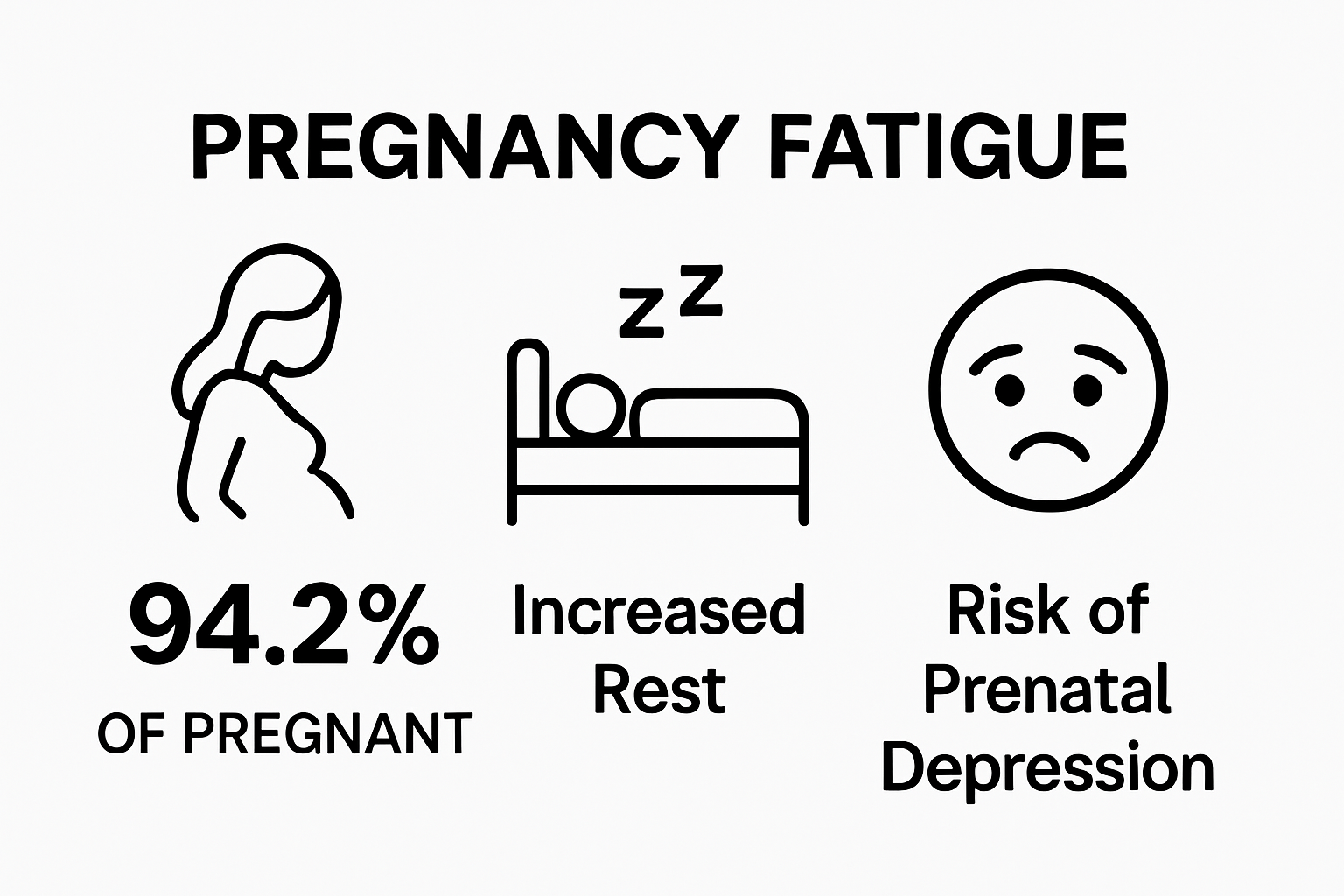
- Increased risk of prenatal depression
- Potential disruptions in sleep quality
- Compromised immune system functionality
Maternal and Fetal Development Risks
Persistent fatigue during pregnancy is not merely an inconvenience but a potential indicator of underlying health challenges. Scientific investigations demonstrate that prolonged exhaustion can negatively influence fetal growth parameters. Mothers experiencing chronic fatigue may observe reduced measurements in critical developmental indicators like biparietal diameter and femur length.
Learn more about managing stress and maintaining health during pregnancy with our comprehensive guide, which offers insights into holistic wellness strategies.
Psychological and Emotional Wellness
Beyond physical implications, unmanaged pregnancy fatigue significantly impacts psychological well-being. Expectant mothers experiencing persistent exhaustion are more susceptible to mood fluctuations, anxiety, and potential prenatal depression. Recognizing and proactively addressing fatigue becomes crucial for maintaining emotional equilibrium during this transformative life stage.
Ultimately, managing pregnancy fatigue requires a multifaceted approach that balances rest, nutrition, gentle physical activity, and emotional support. Understanding these dynamics empowers women to navigate this challenging yet extraordinary period with greater confidence and resilience.
How Hormonal Changes Affect Energy Levels in Pregnancy
Hormonal fluctuations during pregnancy represent a complex biochemical symphony that dramatically influences a woman’s energy metabolism, creating profound transformations in physical and emotional experiences. These intricate hormonal shifts are not merely background processes but active mechanisms that fundamentally reshape bodily functions.
Progesterone: The Primary Energy Regulator
Research from the National Institutes of Health reveals that progesterone acts as a powerful neurological sedative during pregnancy. This hormone significantly impacts energy levels by directly interacting with the central nervous system, inducing a natural state of drowsiness and metabolic recalibration.
Progesterone’s key interactions include:
- Suppressing neural arousal mechanisms
- Reducing metabolic activity rates
- Promoting increased sleep requirements
Hormonal Cascade and Metabolic Adaptation
Beyond progesterone, multiple hormones collaborate to restructure the body’s energy systems. Estrogen, human chorionic gonadotropin (hCG), and relaxin work synergistically to support fetal development while simultaneously redirecting metabolic resources.
Learn more about managing pregnancy discomforts and understanding bodily changes with our comprehensive guide, which provides deeper insights into these transformative processes.
Physiological Energy Redistribution
The hormonal changes trigger a remarkable energy redistribution mechanism. The body prioritizes fetal growth and maternal adaptation, which means energy that was previously allocated to other functions is now channeled toward reproductive processes. This biological reprioritization explains why pregnant women often experience significant fatigue, particularly during the first and third trimesters.
Understanding these hormonal dynamics helps expectant mothers recognize that their changing energy levels are not a personal weakness but a sophisticated biological strategy designed to support successful reproduction and fetal development.
Understanding the Role of Nutrition and Hydration in Combating Fatigue
Nutrition and hydration emerge as powerful allies in managing pregnancy fatigue, transforming dietary choices from simple sustenance to strategic wellness interventions. The intricate relationship between nutritional intake and energy levels becomes especially critical during pregnancy, where physiological demands escalate exponentially.
Micronutrient Strategic Supplementation
Research from the International Journal of Environmental Research and Public Health reveals that specific micronutrients play a pivotal role in combating pregnancy fatigue. Iron, folate, and vitamin B12 are not just supplementary nutrients but essential metabolic catalysts that directly influence energy production and cellular function.
Key micronutrients critical for energy maintenance include:
- Iron for oxygen transportation and cellular metabolism
- Folate for red blood cell production
- Vitamin B12 for neurological function and energy generation
Hydration: The Fundamental Energy Enabler
Proper hydration transcends basic fluid replacement during pregnancy. Water serves as a critical medium for metabolic processes, hormone transportation, and cellular communication. Inadequate hydration can exponentially amplify feelings of exhaustion, creating a cascading effect on overall energy levels.
Explore our comprehensive guide on improving circulation and understanding bodily changes during pregnancy, which provides additional insights into maintaining optimal physiological function.
Metabolic Efficiency and Nutritional Timing
Nutritional strategies during pregnancy extend beyond mere nutrient consumption to include strategic meal timing and balanced macronutrient distribution. Complex carbohydrates, lean proteins, and healthy fats work synergistically to provide sustained energy release, preventing sudden metabolic crashes and supporting consistent vitality.
Understanding nutrition as a dynamic, responsive system empowers expectant mothers to view their diet not just as fuel, but as a sophisticated support mechanism for their changing bodies.
Exploring Supportive Strategies for Coping with Pregnancy Fatigue
Addressing pregnancy fatigue requires a holistic approach that combines physiological understanding with targeted wellness strategies. Rather than viewing fatigue as an insurmountable challenge, expectant mothers can implement comprehensive support mechanisms that mitigate exhaustion and promote overall well-being.
Rest and Recovery Optimization
Research from the International Journal of Environmental Research and Public Health emphasizes the critical importance of strategic rest during pregnancy. Effective fatigue management goes beyond traditional sleep patterns, requiring nuanced approaches to energy conservation and recovery.
Key rest and recovery strategies include:
- Implementing short, strategic daytime naps
- Creating consistent sleep schedules
- Practicing relaxation techniques like prenatal meditation
Physical Activity and Energy Modulation
Contrary to intuition, gentle physical activity can paradoxically combat pregnancy fatigue. Low-impact exercises stimulate metabolic processes, improve circulation, and release endorphins that naturally enhance energy levels. Prenatal yoga, walking, and swimming emerge as excellent modalities for maintaining physiological vitality.

Explore our comprehensive guide on stress relief strategies during pregnancy, which provides additional insights into holistic wellness approaches.
Social Support and Psychological Resilience
Psychological factors play a substantial role in managing pregnancy fatigue. Building a robust support network that includes partners, family, healthcare professionals, and fellow expectant mothers can provide emotional reinforcement and practical assistance. Open communication about energy limitations and accepting help become critical coping mechanisms.
Recognizing that pregnancy fatigue is a universal experience transforms individual challenges into opportunities for compassionate self-care and community connection.
This table details core strategies for coping with pregnancy fatigue, outlining the method, purpose, and associated benefits to help readers build a holistic fatigue management plan.
| Strategy | Purpose | Key Benefits |
|---|---|---|
| Strategic Rest | Support recovery and manage energy levels | Reduces exhaustion, improves sleep quality |
| Nutritious Diet | Provide essential micronutrients and steady energy | Supports metabolism, prevents energy crashes |
| Adequate Hydration | Enable efficient metabolic and bodily processes | Decreases fatigue, supports cellular functions |
| Gentle Physical Activity | Stimulate circulation and endorphins | Enhances energy, boosts mood, reduces swelling |
| Social and Emotional Support | Provide practical help and psychological resilience | Eases emotional stress, strengthens coping ability |
Find Real Relief From Pregnancy Fatigue With Medical-Grade Support
Experiencing pregnancy fatigue can leave you feeling drained both physically and emotionally. The article highlighted how hormonal changes, increased circulation needs, and added weight make everyday activities feel more challenging. If you are struggling with tired, heavy legs or persistent discomfort, you are not alone. Many expecting mothers share the same concerns and need practical solutions for daily relief and confidence.
Fit Stockings specializes in medical-grade compression stockings that are designed to support circulation, reduce swelling, and help ease leg fatigue throughout your pregnancy. Our selection includes trusted brands and a variety of styles to fit your changing needs. Take action now by exploring our full range of compression stockings that target the pain points discussed in this article. Discover how the right support garment can boost your comfort and energy. Visit Fit Stockings today and experience firsthand how targeted leg support can help you enjoy a more active, empowered pregnancy journey.
Frequently Asked Questions
What causes pregnancy fatigue?
Pregnancy fatigue is primarily caused by hormonal changes, particularly the surge of progesterone, which leads to increased metabolic demands and physiological adjustments in the body.
How can I manage pregnancy fatigue effectively?
Managing pregnancy fatigue involves a combination of rest, proper nutrition, hydration, gentle physical activity, and emotional support to enhance well-being and combat exhaustion.
What role does nutrition play in combating pregnancy fatigue?
Nutrition plays a critical role in managing fatigue by providing essential micronutrients like iron, folate, and vitamin B12, which are vital for energy production and overall metabolic function.
Are there specific exercises that can help relieve pregnancy fatigue?
Yes, gentle physical activities such as prenatal yoga, walking, and swimming can help alleviate pregnancy fatigue by improving circulation, stimulating metabolism, and boosting endorphins.