

Understanding Heat and Leg Swelling
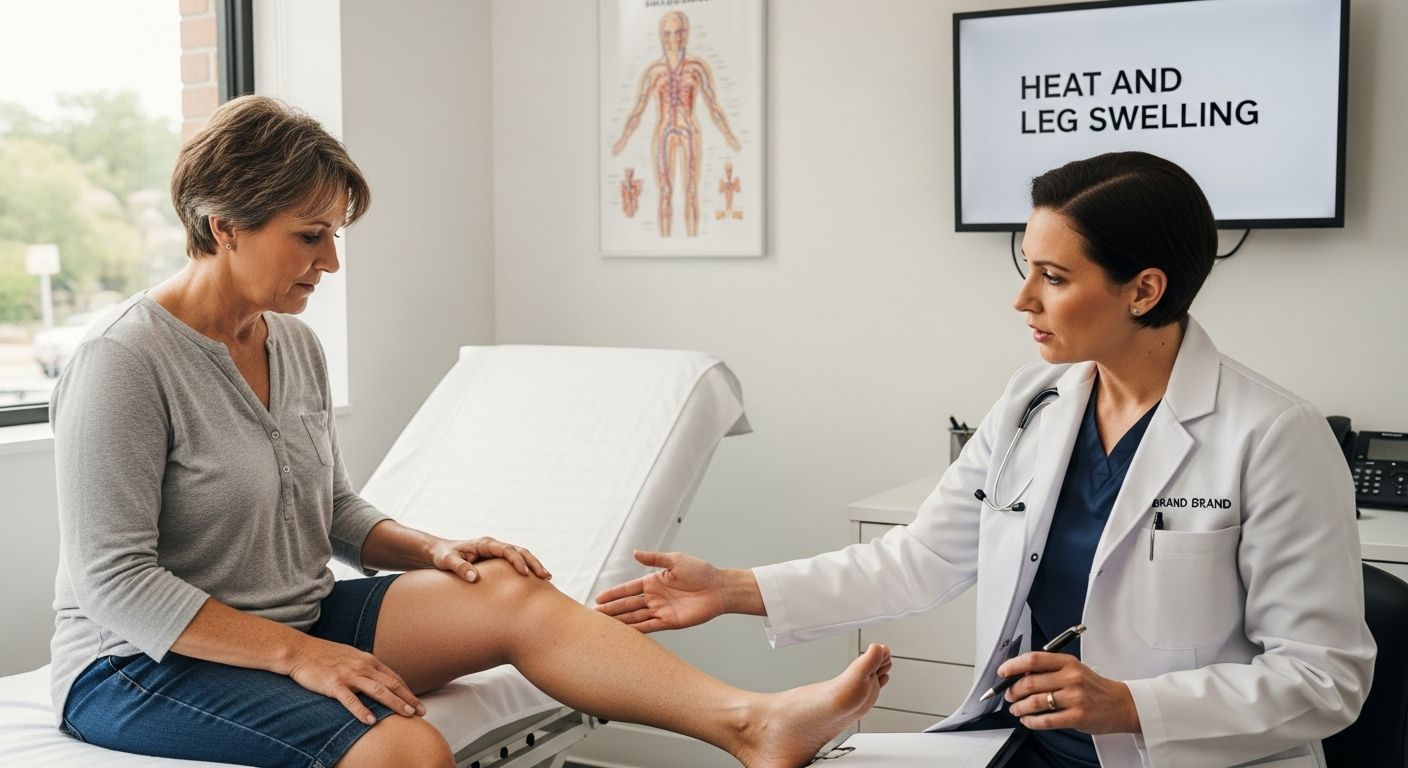
Heatwaves feel tough enough on their own but they can also make your legs puff up and ache in ways that catch most people off guard. You might think sweating it out is the only thing you have to worry about when temperatures soar. But here is what may surprise you—over 30 percent of adults experience leg swelling during hot weather thanks to heat-driven changes in blood flow and fluid retention. That small annoyance could signal something happening much deeper in your circulatory system.
Table of Contents
- What Is Heat And Leg Swelling?
- Why Does Heat And Leg Swelling Occur?
- The Role Of Circulation In Heat And Leg Swelling
- Common Conditions Associated With Heat And Leg Swelling
- Preventive Measures And Management Strategies
Quick Summary
| Takeaway | Explanation |
|---|---|
| Heat causes leg swelling due to vasodilation. | Elevated temperatures lead to expanded blood vessels, increasing fluid movement into tissues, resulting in swelling. |
| Prolonged sitting or standing increases risk. | Remaining in one position can impair circulation and exacerbate fluid retention in the legs. |
| Hydration and electrolyte balance are crucial. | Staying well-hydrated helps maintain fluid balance and reduces the risk of heat-induced swelling. |
| Hormonal factors influence swelling susceptibility. | Changes in hormone levels, especially in women, can heighten the likelihood of fluid retention during heat exposure. |
| Implement lifestyle changes to manage symptoms. | Adopting measures like movement, loose clothing, and avoiding heat can significantly mitigate swelling risks. |
What is Heat and Leg Swelling?
Heat and leg swelling represent a complex physiological response involving fluid accumulation and bodily temperature interactions. Understanding this condition requires examining how environmental temperatures and individual health factors contribute to soft tissue changes.
The Physiological Mechanism of Heat Related Swelling
When external temperatures rise, your body undergoes significant circulatory adaptations. Medical research from Mayo Clinic reveals that heat causes blood vessels to expand, increasing blood flow and allowing more fluid to move into surrounding tissues. This process, known as vasodilation, can trigger leg swelling as your body attempts to regulate internal temperature.
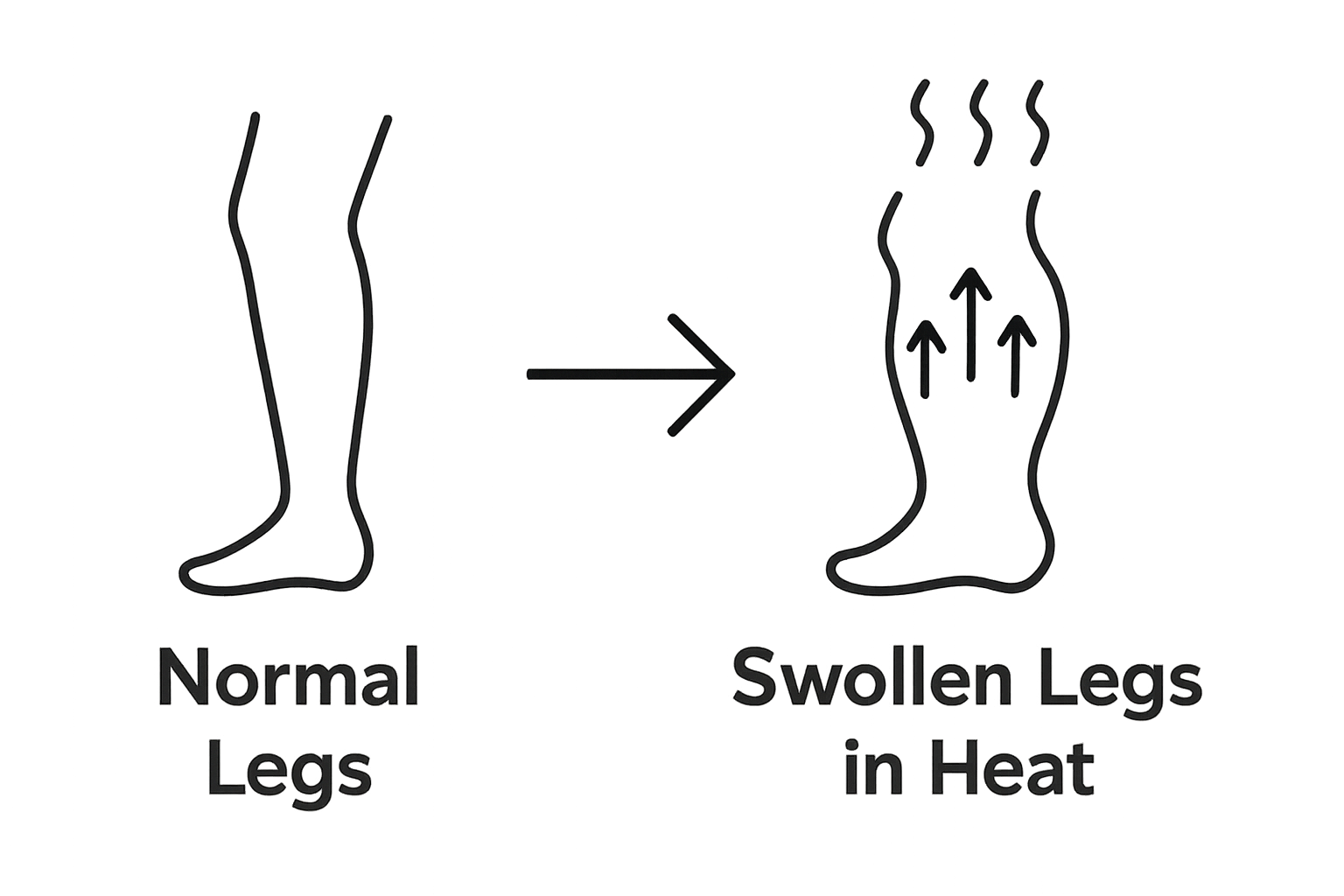
Key physiological responses during heat induced swelling include:
- Increased blood vessel diameter
- Enhanced fluid movement into interstitial spaces
- Reduced efficiency of fluid return mechanisms
Factors Contributing to Heat and Leg Swelling
Multiple interconnected factors influence heat related leg swelling. Individual health conditions, lifestyle choices, and environmental temperatures play significant roles. Learn more about swelling management techniques to mitigate these effects.
Potential contributors to heat induced leg swelling encompass:
- Prolonged standing or sitting
- Underlying cardiovascular conditions
- Reduced circulation efficiency
- Hormonal changes
- Sodium intake and hydration levels
Understanding these mechanisms helps individuals recognize potential risks and implement preventative strategies. Recognizing early signs of heat related leg swelling allows for proactive management and reduces potential long term health complications.
To help readers understand the distinction between major areas discussed, here is a comparison table summarizing the physiological, health, and lifestyle contributors to heat-induced leg swelling.
| Contributor | Description |
|---|---|
| Elevated Temperature | Triggers vasodilation, causing blood vessels to expand and fluid to move into tissues. |
| Prolonged Sitting/Standing | Limits muscle activity and impairs circulation, leading to fluid retention in the legs. |
| Cardiovascular Conditions | Underlying problems like venous insufficiency or heart failure increase susceptibility to swelling. |
| Hormonal Changes | Fluctuations, such as during pregnancy or menstrual cycles, heighten fluid retention risk. |
| Hydration & Electrolytes | Poor fluid intake or imbalance can worsen heat-related swelling. |
| Sodium Intake | High salt consumption can promote water retention in tissues. |
Why Does Heat and Leg Swelling Occur?
Heat and leg swelling emerge from complex interactions between physiological responses, environmental conditions, and individual health characteristics. Understanding these underlying mechanisms helps individuals recognize potential risks and develop effective management strategies.
Thermoregulatory Response and Fluid Dynamics
When ambient temperatures increase, your body initiates sophisticated cooling mechanisms that directly impact fluid distribution. Research from the National Institutes of Health demonstrates how heat triggers vasodilation, causing blood vessels to expand and enabling increased fluid movement into surrounding tissues. This natural thermoregulatory process can result in noticeable leg swelling as your body works to maintain internal temperature balance.
Key physiological processes during heat induced swelling include:
- Blood vessel expansion to enhance heat dissipation
- Increased capillary permeability
- Reduced venous return efficiency
Underlying Health and Environmental Factors
Multiple interconnected factors contribute to heat related leg swelling. Certain medical conditions, lifestyle choices, and individual physiology significantly influence how your body responds to temperature changes. Learn more about managing pregnancy related swelling to understand similar fluid dynamics.
Significant contributors to heat induced leg swelling include:
- Compromised cardiovascular function
- Reduced lymphatic drainage
- Hormonal fluctuations
- Chronic venous insufficiency
- Prolonged periods of immobility
The intricate relationship between bodily systems means that heat induced leg swelling is not simply a surface level phenomenon. It represents a complex interplay of circulatory, neurological, and metabolic processes responding to environmental stimuli.
The Role of Circulation in Heat and Leg Swelling
Circulation serves as a critical mechanism in understanding how heat triggers leg swelling, representing a complex interplay between blood flow, temperature regulation, and fluid dynamics. Your body’s circulatory system responds dynamically to environmental changes, particularly during elevated temperatures.
Vascular Response and Fluid Movement
Research from the National Institutes of Health reveals that high temperatures prompt significant vascular adaptations. When ambient temperatures rise, blood vessels dilate to increase surface area and facilitate heat dissipation. This physiological process directly impacts fluid distribution, causing increased capillary permeability and potential fluid accumulation in lower extremities.
Key circulatory mechanisms during heat induced swelling include:
- Peripheral vasodilation to enhance heat exchange
- Increased hydrostatic pressure in blood vessels
- Reduced venous return efficiency
Impaired Circulatory Efficiency
Multiple factors can compromise circulatory performance during heat exposure. Gravity, existing health conditions, and individual physiology significantly influence how efficiently your body manages fluid movement. Explore techniques for supporting leg health to understand potential interventions.
Factors potentially disrupting circulatory function during heat include:
- Weakened vascular wall elasticity
- Compromised lymphatic drainage
- Reduced muscle pump activity
- Hormonal influences
- Dehydration and electrolyte imbalances
Understanding these intricate circulatory dynamics helps individuals recognize how heat transforms normal physiological processes, creating conditions conducive to leg swelling.
Common Conditions Associated with Heat and Leg Swelling
Heat and leg swelling interconnect with various medical conditions, creating complex physiological responses that extend beyond simple temperature related fluid dynamics. Understanding these associations helps individuals recognize potential health risks and develop targeted management strategies.
Cardiovascular and Circulatory Conditions
Research from the American Academy of Family Physicians highlights that certain cardiovascular conditions significantly amplify heat induced leg swelling. Individuals with compromised heart function or venous insufficiency experience more pronounced fluid accumulation during elevated temperatures, as their circulatory systems struggle to maintain efficient fluid balance.
Medical conditions prone to heat related leg swelling include:
- Chronic venous insufficiency
- Congestive heart failure
- Peripheral artery disease
- Hypertension
- Lymphedema
Hormonal and Metabolic Influences
Hormonal fluctuations play a substantial role in heat and leg swelling susceptibility. Women, particularly during pregnancy or menstrual cycles, experience more pronounced fluid retention. Learn more about managing pregnancy related swelling to understand these complex interactions.
Hormonal factors contributing to heat induced leg swelling encompass:
- Estrogen level variations
- Hormonal contraceptive use
- Thyroid dysfunction
- Cortisol imbalances
- Insulin resistance
Recognizing these interconnected physiological mechanisms enables more comprehensive understanding of how heat and individual health characteristics collectively influence leg swelling experiences.
Here is a table summarizing common medical conditions and hormonal influences associated with heat-induced leg swelling, aiding in quick identification for readers.
| Category | Examples / Influences |
|---|---|
| Cardiovascular Conditions | Chronic venous insufficiency, congestive heart failure, peripheral artery disease, hypertension, lymphedema |
| Hormonal & Metabolic | Estrogen fluctuations, hormonal contraceptive use, thyroid dysfunction, cortisol imbalance, insulin resistance |
| Lifestyle/Behavioral | Prolonged immobility, excessive sodium intake, inadequate hydration |
Preventive Measures and Management Strategies
Managing heat and leg swelling requires a comprehensive approach that combines lifestyle modifications, medical interventions, and proactive health strategies. Understanding and implementing targeted techniques can significantly reduce the risk and impact of heat induced leg swelling.
Lifestyle and Environmental Adaptations
Research from the National Institutes of Health emphasizes non pharmacological strategies for managing peripheral edema. During high temperature periods, individuals can implement specific lifestyle modifications to mitigate swelling risks. These adaptations focus on reducing physiological stress and supporting efficient fluid circulation.
Key lifestyle strategies include:
- Minimizing prolonged standing or sitting
- Staying hydrated with electrolyte balanced fluids
- Wearing loose, breathable clothing
- Avoiding direct sun exposure during peak heat hours
- Implementing regular movement and leg exercises
Medical Management and Intervention
For individuals with pre existing health conditions, medical management becomes crucial in preventing heat related leg swelling. Explore comprehensive leg health support techniques to understand advanced intervention strategies.
Medical approaches for managing heat and leg swelling encompass:
- Prescription compression garments
- Consultation with healthcare professionals
- Medication adjustments for underlying conditions
- Regular cardiovascular health monitoring
- Lymphatic drainage techniques
Effective management requires a personalized approach, considering individual health status, environmental conditions, and specific physiological responses to heat and fluid dynamics.
Get Relief from Heat-Induced Leg Swelling with Expert Support
Dealing with swollen legs during hot weather can feel overwhelming and uncomfortable. The article you just explored explained how heat triggers poor circulation, vascular expansion, and fluid retention in your legs. If you live with conditions like varicose veins or experience swelling during pregnancy, you know how challenging this discomfort can become in the summer months. Managing these symptoms is not just about comfort—it is about supporting your long-term health and mobility.
At Fit Stockings, we specialize in medical-grade compression stockings designed to target the exact circulatory and swelling issues described in this article. Our range is curated for people like you who want to prevent and manage swelling, whether it is worsened by heat, long periods of standing, or existing vascular concerns. Choose from top brands and different compression levels to get the support you need. Learn more about measuring for compression stockings for a perfect fit. Do not wait until swelling takes over your daily life. Visit Fit Stockings now and take the first step toward real relief and confidence.
Frequently Asked Questions
What causes heat and leg swelling?
Heat and leg swelling are primarily caused by vasodilation, where blood vessels expand to facilitate heat dissipation, leading to increased fluid movement into surrounding tissues. Factors like prolonged sitting or standing, underlying cardiovascular conditions, and environmental temperatures also contribute.
How can I manage heat-related leg swelling at home?
To manage heat-related leg swelling at home, you can stay hydrated, wear loose clothing, avoid prolonged sitting or standing, and incorporate leg exercises or movement to improve circulation. Elevating the legs can also help reduce swelling.
Are there any medical conditions that worsen heat-related leg swelling?
Yes, certain medical conditions can exacerbate heat-related leg swelling, including chronic venous insufficiency, congestive heart failure, and hormonal fluctuations. Individuals with such conditions should monitor their symptoms more closely during high temperatures.
What lifestyle changes can I make to prevent heat-induced leg swelling?
To prevent heat-induced leg swelling, consider making lifestyle changes such as staying hydrated with electrolyte-balanced fluids, wearing breathable clothing, avoiding direct sun exposure during peak heat hours, and engaging in regular physical activity to promote better circulation.