

Understanding Leg Swelling at Night: Causes and Effects
Leg swelling at night sounds like something that only affects a small group, but it impacts millions of adults every year and in older populations, the risk jumps dramatically. Most people think gravity is the only culprit, just something that happens when you stand all day. The real surprise is how much nighttime swelling reveals about your heart, kidneys, and even your daily habits, turning a swollen ankle into a potential red flag for your overall health.
Table of Contents
- What Is Leg Swelling At Night And Why Does It Occur?
- The Role Of Circulation In Leg Swelling During Sleep
- Factors Contributing To Leg Swelling At Night In Different Populations
- Impact Of Leg Swelling On Daily Living And Health
- Preventive Measures And Management Of Nighttime Swelling
Quick Summary
| Takeaway | Explanation |
|---|---|
| Fluid accumulates in legs overnight | Gravity causes fluid buildup in lower legs during the day, redistributing while lying down at night. |
| Poor circulation exacerbates swelling | Conditions like chronic venous insufficiency weaken blood flow, leading to increased fluid retention. |
| Lifestyle changes can help reduce swelling | A balanced diet, exercise, and hydration improve circulation and minimize nighttime fluid retention. |
| Use compression garments for relief | Compression stockings apply pressure that aids in blood flow and minimizes swelling during sleep. |
| Seek medical advice for persistent swelling | Continuous leg swelling may indicate serious health issues that require professional evaluation and management. |
What is Leg Swelling at Night and Why Does It Occur?
Leg swelling at night represents a complex physiological phenomenon where fluid accumulates in the lower extremities, causing noticeable enlargement and discomfort during evening hours. This condition, medically termed peripheral edema, emerges from multiple interconnected factors related to body mechanics, circulation, and fluid dynamics.
Understanding the Mechanism of Nighttime Leg Swelling
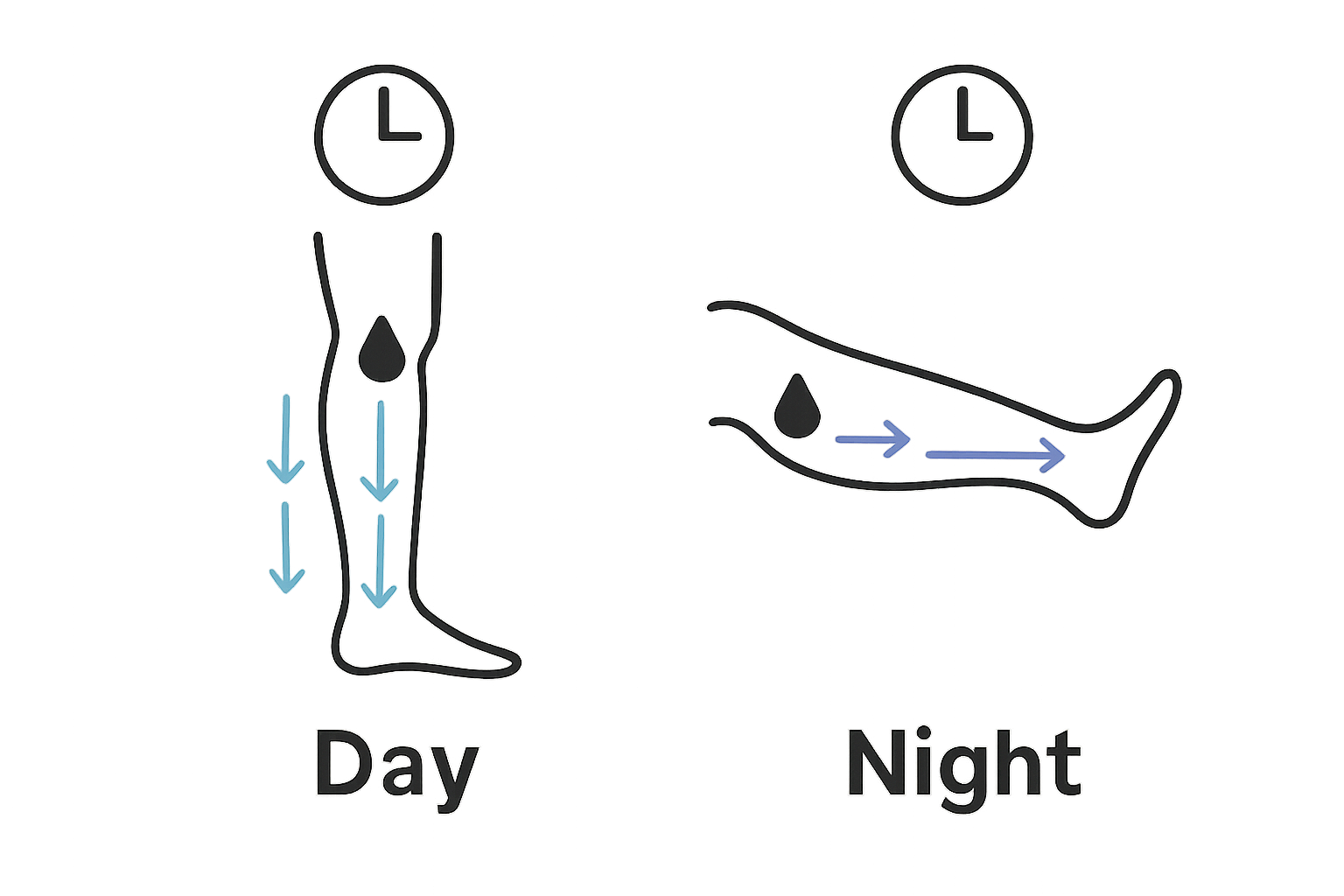
The process of leg swelling at night begins with gravity’s persistent influence on bodily fluids. During daytime activities, when you stand or sit upright, fluid naturally gravitates toward your lower legs and ankles. According to research from the National Institutes of Health, this gravitational pull causes gradual fluid accumulation in leg tissues throughout the day.
When you transition to a horizontal sleeping position at night, the accumulated fluid redistributes, potentially causing sudden swelling and a sensation of heaviness or tightness.
 Key factors contributing to this phenomenon include:
- Reduced muscle movement during sleep
- Decreased lymphatic circulation
- Potential underlying cardiovascular or renal conditions
Common Physiological Triggers
Multiple physiological mechanisms can trigger nighttime leg swelling. Chronic venous insufficiency plays a significant role, where weakened vein valves struggle to pump blood effectively back to the heart. This condition allows fluid to pool in leg tissues, creating visible swelling. Our guide on leg swelling during pregnancy provides additional insights into hormonal and circulatory changes that can exacerbate this condition.
Other potential triggers include heart conditions that impair fluid regulation, kidney diseases affecting fluid balance, and certain medications that cause water retention. Age, lifestyle factors like prolonged standing, and dietary sodium intake can further amplify the likelihood of experiencing nighttime leg swelling.
Understanding these complex interactions helps individuals recognize when leg swelling might signal a more serious underlying health condition requiring professional medical evaluation.
The table below summarizes the most common physiological triggers and underlying health conditions that contribute to nighttime leg swelling, helping readers easily compare causes and their related explanations.
| Trigger/Condition | Role in Nighttime Leg Swelling |
|---|---|
| Chronic Venous Insufficiency | Weak vein valves cause blood pooling, increasing fluid in legs |
| Heart Conditions | Impaired fluid regulation raises risk of edema |
| Kidney Disease | Disrupted fluid balance leads to water retention |
| Certain Medications | Some drugs cause water retention as a side effect |
| Prolonged Standing/Sitting | Gravity and lack of movement promote fluid buildup |
| High Dietary Sodium | Excess sodium increases water retention in body tissues |
| Pregnancy (in applicable cases) | Hormonal and circulatory changes raise risk of swelling |
The Role of Circulation in Leg Swelling During Sleep
Circulation plays a critical role in the development and progression of leg swelling during nighttime hours. The complex interplay between blood vessels, lymphatic systems, and gravitational forces determines how fluid accumulates and redistributes in lower extremities during sleep.
Vascular Dynamics and Fluid Movement
Blood circulation represents a sophisticated network of transportation and exchange mechanisms. During daytime activities, muscle contractions and movement help propel blood and lymphatic fluid upward against gravity.
According to research from the National Center for Biotechnology Information, when these dynamic movements cease during sleep, fluid dynamics fundamentally change.
The circulatory system relies on several key mechanisms to manage fluid distribution:
- Venous valve functionality
- Muscle pump action
- Arterial and venous pressure regulation
- Lymphatic drainage efficiency
Impact of Impaired Circulation
When circulatory systems become compromised, leg swelling becomes more pronounced. Conditions like chronic venous insufficiency directly impact blood return from lower extremities. Weakened vein valves struggle to prevent blood backflow, causing fluid to pool and create swelling. Learn more about boosting leg circulation to understand potential preventative strategies.
Additionally, underlying health conditions such as heart failure, kidney disorders, and metabolic issues can significantly disrupt normal circulatory processes. These conditions alter fluid balance, protein metabolism, and vessel permeability, creating an environment conducive to leg swelling.
Understanding these intricate circulatory mechanisms helps individuals recognize the importance of maintaining cardiovascular health and seeking appropriate medical intervention when persistent leg swelling occurs.
Factors Contributing to Leg Swelling at Night in Different Populations
Leg swelling represents a complex physiological condition that manifests differently across various demographic groups, influenced by age, gender, lifestyle, and underlying health conditions. Understanding these population-specific factors helps individuals recognize potential risks and seek appropriate medical intervention.
Age-Related Variations in Leg Swelling
As individuals age, the likelihood of experiencing nighttime leg swelling increases significantly. According to research from the National Institutes of Health, older adults face higher risks due to decreased muscle tone, reduced circulatory efficiency, and increased prevalence of chronic health conditions.
Key factors contributing to age-related leg swelling include:
- Reduced elasticity of blood vessel walls
- Diminished lymphatic system functionality
- Increased medication use affecting fluid retention
- Decreased overall physical activity
Population-Specific Risk Factors
Different population segments experience unique contributors to leg swelling. Pregnant women, for instance, undergo significant hormonal and physiological changes that impact fluid dynamics. Our guide on leg swelling during pregnancy provides comprehensive insights into these specific challenges.
Professionals with sedentary jobs or those requiring prolonged standing experience distinct circulatory challenges. Occupations involving extended periods of immobility can significantly increase the risk of leg swelling, with fluid accumulation becoming more pronounced during nighttime hours.
Individuals with underlying health conditions such as heart disease, kidney disorders, and metabolic syndromes face heightened risks. These populations often experience more complex fluid retention mechanisms that require specialized medical management.
Recognizing these population-specific factors enables more targeted prevention and treatment strategies, ultimately improving overall leg health and reducing the likelihood of chronic swelling complications.
Impact of Leg Swelling on Daily Living and Health
Leg swelling transcends mere physical discomfort, representing a complex condition that significantly influences an individual’s overall quality of life, emotional well-being, and long-term health outcomes. The consequences extend far beyond temporary physical inconvenience, potentially disrupting multiple aspects of personal and professional functioning.
Physical Limitations and Mobility Challenges
Chronic leg swelling can dramatically restrict an individual’s mobility and physical capabilities. According to research from the National Institutes of Health, persistent swelling leads to reduced movement efficiency, increased fatigue, and potential complications in daily activities such as walking, climbing stairs, or performing routine tasks.
Primary physical impacts include:
- Reduced range of motion
- Increased risk of falls and balance issues
- Chronic pain and discomfort
- Potential muscle weakness
Psychological and Emotional Consequences
Beyond physical challenges, leg swelling can trigger significant psychological distress. The continuous presence of swelling may lead to decreased self-confidence, social withdrawal, and heightened anxiety about one’s health. Our guide on massage techniques offers insights into potential relief strategies that can help manage both physical and emotional aspects of this condition.
Individuals experiencing persistent leg swelling often report feelings of frustration, depression, and a sense of loss of independence. The constant awareness of physical limitation can create a cyclical pattern of stress that potentially exacerbates underlying health conditions.
Moreover, untreated leg swelling can signal more serious underlying health issues such as cardiovascular disorders, kidney dysfunction, or circulatory problems.
The following table outlines how nighttime leg swelling impacts both physical and psychological aspects of daily living, offering a side-by-side look at its broad effects.
| Area of Impact | Description |
|---|---|
| Reduced Range of Motion | Limits walking, climbing stairs, and daily routines due to swelling and stiffness |
| Increased Fall/Balancing Risk | Swollen legs compromise stability and footing |
| Chronic Pain and Discomfort | Persistent swelling often causes pain and muscle fatigue |
| Muscle Weakness | Ongoing edema can weaken leg muscles over time |
| Decreased Self-Confidence | Visible swelling or discomfort may lead to social withdrawal |
| Emotional Distress | Can trigger frustration, anxiety, and loss of independence |
| Health Alarm | May indicate underlying heart, kidney, or circulatory problems |
Preventive Measures and Management of Nighttime Swelling
Effective management of leg swelling requires a comprehensive approach addressing multiple physiological and lifestyle factors. By implementing strategic interventions, individuals can significantly reduce nighttime swelling and improve overall leg health.
Lifestyle and Dietary Modifications
Addressing leg swelling begins with fundamental lifestyle adjustments. According to research from the American Academy of Family Physicians, targeted interventions can substantially mitigate fluid retention and circulatory challenges.
Key lifestyle modifications include:
- Maintaining a balanced diet low in sodium
- Regular low-impact exercise like walking or swimming
- Managing body weight to reduce circulatory stress
- Staying adequately hydrated
- Limiting prolonged sitting or standing periods
Compression and Physical Support Strategies
Compression therapy emerges as a critical intervention for managing nighttime leg swelling. Learn more about sleeping in compression stockings to understand how these specialized garments can provide continuous support.
Compression stockings work by applying graduated pressure to the legs, promoting blood circulation and preventing fluid accumulation. These garments are particularly effective for individuals with chronic venous insufficiency, helping to reduce swelling and discomfort during nighttime hours.
Additionally, elevation techniques can complement compression strategies. Positioning legs above heart level while sleeping or resting helps facilitate fluid drainage and reduces gravitational pressure on lower extremities. This simple yet effective approach can significantly minimize nighttime swelling and improve overall circulatory health.

Find Real Relief from Nighttime Leg Swelling with Fit Stockings
Struggling with uncomfortable leg swelling at night can leave you feeling frustrated and limit your mobility. The article explained how gravity, poor circulation, and chronic conditions like venous insufficiency or pregnancy can all lead to persistent swelling that doesn’t simply disappear overnight. This discomfort is not just physical—it can affect your confidence, disrupt sleep, and even signal underlying health concerns. Many people want proven solutions that address the root causes of swelling and support their overall circulatory health.
If you are searching for an effective way to manage swelling and improve nightly comfort, explore Fit Stockings. Medical-grade compression stockings are designed to support healthy circulation, manage fluid retention, and ease the discomfort described in the article. With a wide range of sizes and gradients, plus trusted brands like Jobst, you can find stockings tailored to your exact needs. Take the next step toward comfort and confidence tonight by discovering your ideal pair at Fit Stockings or learn more about how compression therapy can help.
Frequently Asked Questions
What causes leg swelling at night?
Leg swelling at night, known as peripheral edema, can be caused by factors such as gravity, reduced muscle movement during sleep, chronic venous insufficiency, and underlying health conditions like heart or kidney issues.
How can I manage leg swelling at night?
To manage leg swelling at night, try lifestyle modifications like a balanced diet low in sodium, regular low-impact exercise, staying hydrated, and using compression stockings to improve circulation.
Are there specific exercises that can help reduce nighttime leg swelling?
Yes, low-impact exercises such as walking, swimming, or gentle stretching can promote blood circulation and help reduce fluid retention in the legs, thereby minimizing nighttime swelling.
When should I see a doctor about leg swelling?
You should see a doctor if you experience persistent or painful leg swelling, especially if it is accompanied by other symptoms like shortness of breath, chest pain, or significant changes in leg color or temperature.