

Understanding What Causes Heavy Legs: A Comprehensive Guide

Waking up to legs that feel like they are weighed down by concrete is more than just annoying. Over 30 percent of adults report experiencing persistent heavy leg sensations at some point in their lives. Most people think it is just a sign of tired muscles or a long day at work but what surprises many is how heavy legs often signal deeper issues with circulation and vein health hiding underneath the surface.
Table of Contents
- What Are Heavy Legs And How Are They Experienced?
- Common Causes Of Heavy Legs And Their Implications
- The Role Of Circulation And Vein Health In Heavy Legs
- Lifestyle Factors That Contribute To The Sensation Of Heavy Legs
- When To Seek Medical Advice For Heavy Legs
Quick Summary
| Takeaway | Explanation |
|---|---|
| Heavy legs indicate circulatory problems. | Persistent heavy legs often signal issues with blood flow and require attention to underlying health conditions. |
| Varicose veins significantly affect leg sensation. | Enlarged veins can lead to decreased blood circulation, resulting in discomfort and heaviness in the legs. |
| Sedentary lifestyles worsen heavy leg symptoms. | Prolonged sitting or standing reduces muscle pump efficiency, leading to increased pressure and heaviness in the legs. |
| Seek medical advice for persistent symptoms. | Recurring heaviness, swelling, or pain may indicate serious health concerns that necessitate professional evaluation. |
| Healthy habits can improve leg circulation. | Regular exercise, balanced diet, and hydration can enhance vascular health and alleviate heavy leg sensations. |
What Are Heavy Legs and How Are They Experienced?
Heavy legs represent a complex physical sensation where individuals experience an uncomfortable, weighty feeling in their lower limbs that goes beyond typical muscle fatigue. This condition can make walking, standing, and performing daily activities feel significantly more challenging and exhausting.
Understanding the Physical Sensation
People experiencing heavy legs describe the sensation as feeling like their legs are filled with lead or wearing weighted boots. The experience is more than just muscle tiredness – it involves a persistent sense of physical exhaustion and discomfort that can range from mild to severely restrictive. Research from the Mayo Clinic suggests this sensation often connects with underlying circulatory issues.
The feeling of heavy legs typically manifests through several distinct characteristics:
- A constant sensation of weight or drag in the legs
- Increased difficulty moving or lifting legs normally
- Persistent aching or throbbing sensations
- Noticeable leg fatigue even after minimal physical activity
Root Physiological Triggers
Multiple physiological factors can contribute to the development of heavy legs. Circulatory problems play a significant role, where reduced blood flow creates increased pressure in leg veins. Varicose veins, which appear as enlarged and twisted blood vessels just beneath the skin, frequently contribute to this uncomfortable condition. Learn more about managing leg circulation with targeted therapeutic approaches.
Individuals experiencing heavy legs might notice the sensation intensifies during specific situations like prolonged standing, after intense physical activity, or at the end of long workdays. The experience can be both physically limiting and emotionally frustrating, affecting overall quality of life and mobility.
Common Causes of Heavy Legs and Their Implications
Heavy legs are not a standalone condition but a symptom reflecting various underlying physiological and lifestyle factors. Understanding these root causes is crucial for effective management and potential prevention.
Circulatory System Complications
Circulatory problems represent a primary contributor to heavy leg sensations. When blood flow becomes compromised, veins struggle to efficiently return blood from the lower extremities to the heart. According to research from the National Heart, Lung, and Blood Institute, insufficient venous return can lead to blood pooling, causing a sensation of heaviness and discomfort.
Key circulatory factors include:
- Varicose veins and venous insufficiency
- Peripheral artery disease
- Chronic venous inflammation
- Reduced muscle pump efficiency
Lifestyle and Physiological Triggers
Beyond circulatory issues, multiple lifestyle and physiological elements can contribute to heavy legs. Prolonged periods of standing or sitting, lack of physical activity, and obesity significantly impact leg circulation and muscle function. Discover strategies for improving leg circulation that can help mitigate these challenges.
Hormonal changes also play a substantial role. Pregnancy, menstrual cycles, and hormonal treatments can cause fluid retention and increased leg volume, intensifying the sensation of heaviness. Individuals with sedentary jobs or those who spend extended hours in static positions are particularly vulnerable to developing these symptoms.
Medical Conditions and Neurological Factors
Certain medical conditions directly contribute to heavy leg experiences. Conditions like diabetes, lymphedema, and neurological disorders can disrupt normal leg function and circulation. Restless Legs Syndrome, characterized by uncomfortable sensations and an irresistible urge to move, frequently manifests as a feeling of leg heaviness.
The complexity of heavy legs underscores the importance of comprehensive medical evaluation. While occasional leg heaviness might result from temporary factors, persistent symptoms warrant professional medical assessment to identify and address potential underlying health concerns.
To help readers quickly understand the main causes of heavy legs, the following table categorizes and summarizes the major contributing factors discussed in the article.
| Cause Category | Examples/Triggers | Effects on Legs |
|---|---|---|
| Circulatory System Complications | Varicose veins, venous insufficiency, peripheral artery disease | Blood pooling, heaviness, discomfort |
| Lifestyle Factors | Prolonged sitting/standing, inactivity, obesity | Reduced circulation, leg fatigue |
| Hormonal & Physiological | Pregnancy, menstrual cycles, hormonal treatments | Fluid retention, increased leg volume |
| Medical & Neurological Conditions | Diabetes, lymphedema, neurological disorders, Restless Legs Syndrome | Impaired function, persistent heaviness |
The Role of Circulation and Vein Health in Heavy Legs
Vein health represents a critical factor in understanding the complex mechanism behind heavy leg sensations. The circulatory system operates as an intricate network responsible for transporting blood throughout the body, with leg veins facing unique challenges in maintaining efficient blood flow against gravitational forces.
Understanding Venous Blood Flow Dynamics
Blood circulation in the legs depends on a sophisticated mechanism involving muscle contractions and vein valve function. Healthy veins contain one-way valves that prevent blood from flowing backward, enabling upward movement toward the heart. When these valves become weakened or damaged, blood can pool in the lower extremities, causing increased pressure and contributing to the sensation of heavy legs.
Key components of venous blood flow include:
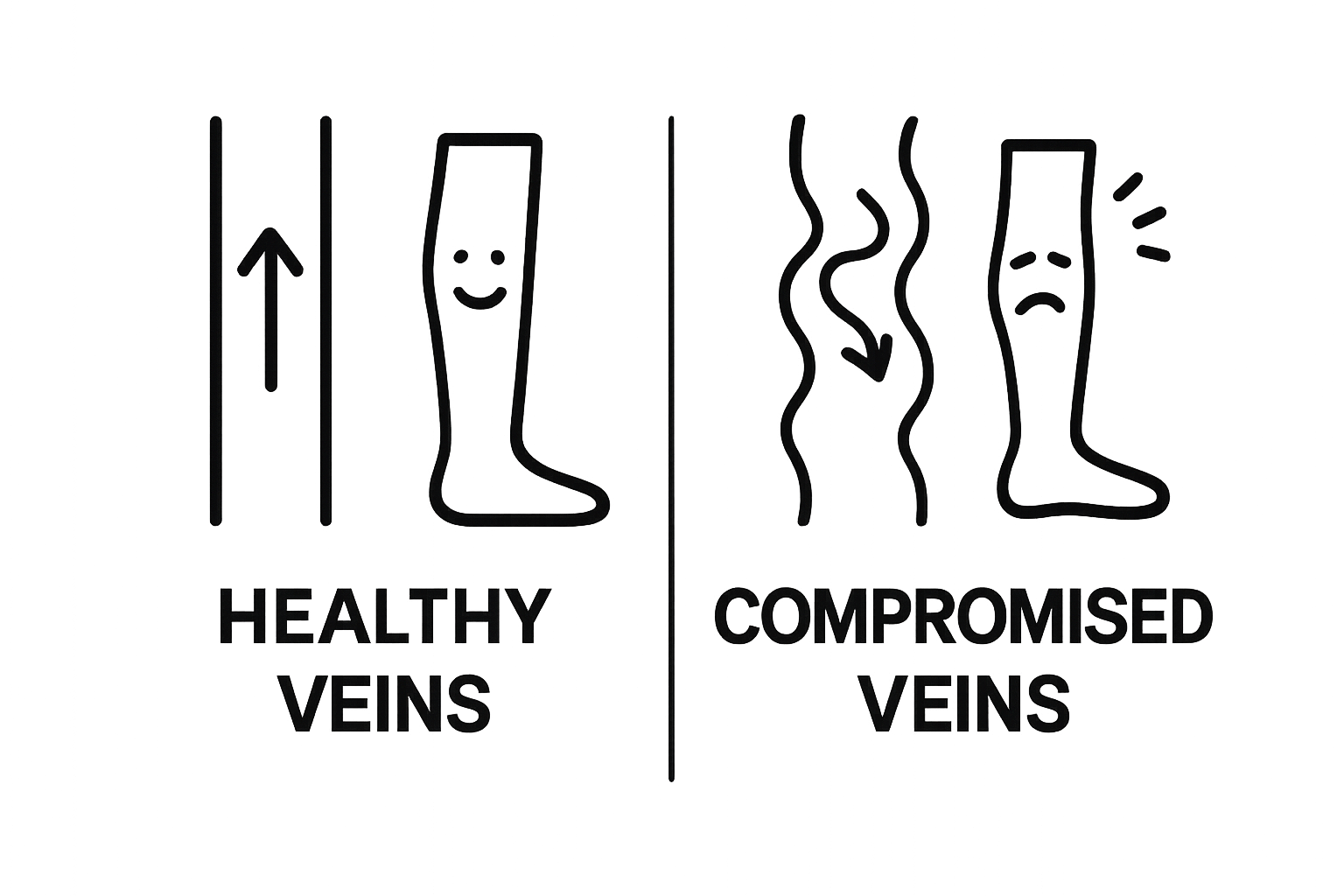
- Efficient muscle pump mechanism
- Functional one-way vein valves
- Consistent blood pressure regulation
- Proper endothelial cell function
Factors Impacting Vein Functionality
Multiple physiological and lifestyle factors can compromise vein health and circulation. Prolonged standing, lack of physical activity, genetic predisposition, and age-related changes can gradually weaken vein walls and valve performance. Explore comprehensive strategies for maintaining leg circulation to support optimal vascular function.
According to research from the National Institutes of Health, chronic venous disease represents a significant contributor to leg discomfort. The condition occurs when vein walls and valves fail to function correctly, leading to blood accumulation and increased venous pressure in the lower extremities.
Implications of Compromised Circulation
Compromised circulation extends beyond temporary discomfort. Persistent venous insufficiency can lead to more severe complications such as varicose veins, edema, skin changes, and potential ulceration. The body’s inability to efficiently return blood from the legs creates a cascade of physiological challenges that can significantly impact overall leg health and mobility.
Understanding these intricate circulatory mechanisms highlights the importance of proactive vascular care and recognizing early signs of potential circulation issues.
Lifestyle Factors That Contribute to the Sensation of Heavy Legs
Lifestyle choices play a pivotal role in developing and exacerbating the sensation of heavy legs. Understanding how daily habits impact leg circulation and overall vascular health can help individuals proactively manage and prevent this uncomfortable condition.
Sedentary Behavior and Muscle Inactivity
Prolonged periods of sitting or standing represent significant contributors to heavy leg sensations. When muscles remain inactive, the natural pumping mechanism that assists blood circulation becomes compromised. Office workers, drivers, and individuals with desk-based jobs are particularly vulnerable to experiencing reduced leg circulation.
Key sedentary lifestyle impacts include:
- Decreased muscle pump efficiency
- Reduced blood flow in lower extremities
- Increased venous pressure
- Weakened leg muscle strength
Occupational and Physical Activity Patterns
Occupational demands significantly influence leg health. Professions requiring extended standing or minimal movement can strain the circulatory system. Discover effective strategies for maintaining leg circulation despite challenging work environments.
According to research from the National Institutes of Health, multiple lifestyle factors contribute to leg discomfort. Weight management, regular physical activity, and strategic movement breaks can substantially mitigate the risk of developing heavy leg sensations.
Nutritional and Metabolic Influences
Diet and overall metabolic health play crucial roles in leg circulation. Obesity, poor hydration, and nutritional deficiencies can impair vascular function and exacerbate the sensation of leg heaviness. High sodium intake, limited physical activity, and inadequate protein consumption can contribute to fluid retention and reduced muscle efficiency.
Individuals experiencing consistent heavy leg sensations should consider comprehensive lifestyle assessments. Addressing sedentary behaviors, incorporating regular movement, maintaining a balanced diet, and staying hydrated can significantly improve overall leg health and circulation.

When to Seek Medical Advice for Heavy Legs
Recognizing when heavy leg sensations transition from a minor inconvenience to a potential medical concern requires understanding specific warning signs. While occasional leg discomfort might be normal, certain symptoms demand professional medical evaluation to prevent potential complications.
Red Flags and Urgent Symptoms
Persistent or escalating leg symptoms should never be ignored. Some indicators signal a need for immediate medical attention. Sudden changes in leg appearance, unexplained swelling, intense pain, or accompanying systemic symptoms could suggest underlying vascular or neurological issues.
Critical symptoms warranting urgent medical consultation include:
- Significant leg swelling in one or both legs
- Intense, unrelenting pain
- Skin discoloration or temperature changes
- Visible varicose veins with pain or inflammation
- Unexplained numbness or tingling sensations
Chronic Condition Indicators
Certain long-term symptoms suggest potential chronic conditions requiring professional assessment. Recurring heavy leg sensations accompanied by specific physiological changes might indicate more complex circulatory or metabolic issues. Learn about preventing advanced venous complications and understand when professional intervention becomes crucial.
According to research from the Mayo Clinic, healthcare professionals recommend seeking medical advice if leg symptoms persist beyond several weeks, significantly impact daily functioning, or do not respond to lifestyle modifications.
Comprehensive Medical Evaluation
A thorough medical consultation for heavy legs typically involves multiple diagnostic approaches. Physicians may conduct physical examinations, review medical history, and potentially recommend diagnostic tests such as ultrasound imaging, blood work, or vascular assessments to determine the underlying cause.
Understanding your body’s signals and maintaining proactive communication with healthcare providers can help prevent potential long-term complications associated with persistent leg discomfort. Early detection and intervention remain key strategies in managing complex leg health conditions.
The table below outlines common symptoms of heavy legs, their possible underlying causes, and what each symptom may indicate according to the article.
| Symptom | Possible Underlying Cause | What It May Indicate |
|---|---|---|
| Sensation of weight/drag | Venous insufficiency, prolonged inactivity | Impaired blood flow |
| Persistent aching/throbbing | Varicose veins, chronic vein inflammation | Ongoing vascular issues |
| Leg fatigue after little activity | Circulatory problems, muscle inefficiency | Reduced muscle pump function |
| Noticeable swelling | Fluid retention, vein dysfunction | Possible chronic venous condition |
| Numbness or tingling | Neurological disorder, severe vein problems | Nerve involvement or advanced disease |
Discover Lasting Relief From Heavy, Tired Legs
Do you feel like your legs are weighed down, achy, or swollen at the end of each day? If you have struggled with discomfort or daily fatigue that holds you back from living actively, you are not alone. Challenges with circulation, persistent heaviness, or managing symptoms such as those resulting from varicose veins or poor venous return can impact your quality of life. Your journey to understanding the cause is important, but finding real solutions matters just as much.
At Fit Stockings, we make it easier to take the next step toward comfort and leg health. Our curated selection of medical-grade compression stockings is designed to address heavy legs from the inside out. With styles and compression levels that fit every concern, our products offer targeted support for issues discussed in the article, including improved blood flow and reduced swelling. Feel the difference today. Shop trusted compression solutions right now and experience how the right support can restore energy and confidence to your daily routine. Visit our fit and sizing guide to get started with the best fit for your needs.
Frequently Asked Questions
What are the common symptoms of heavy legs?
The common symptoms of heavy legs include a sensation of weight or drag in the legs, persistent aching or throbbing sensations, and noticeable leg fatigue even after minimal physical activity.
What causes the feeling of heavy legs?
Heavy legs can be caused by circulatory complications, prolonged periods of sitting or standing, lifestyle habits like obesity and lack of physical activity, as well as certain medical conditions, including varicose veins and neurological disorders.
When should I seek medical advice for heavy legs?
You should seek medical advice for heavy legs if you experience persistent or escalating symptoms, significant swelling, intense pain, skin discoloration, or any changes in sensation like numbness or tingling affecting your daily life.
How can lifestyle changes help alleviate heavy legs?
Lifestyle changes such as incorporating regular physical activity, managing weight, staying hydrated, and taking movement breaks during prolonged sitting or standing can significantly improve circulation and reduce the sensation of heavy legs.