

Why Do Legs Swell? Complete Guide to Causes and Care
Did you know that over 20 percent of adults experience leg swelling at some point in their lives? Swollen legs can signal anything from minor lifestyle habits to more serious health problems. Understanding the root causes and warning signs matters because quick action can lead to better long term outcomes and peace of mind. This guide uncovers the key reasons behind leg swelling, helping you recognize what your body might be telling you.
Table of Contents
- What Causes Leg Swelling? Core Concepts
- Types of Leg Swelling and Key Differences
- Medical Conditions Linked to Swollen Legs
- Everyday Triggers and Lifestyle Factors
- Risks, Warning Signs, and When to Seek Help
- Treatment Approaches and Compression Therapy
Key Takeaways
| Point | Details |
|---|---|
| Understanding Causes | Leg swelling can stem from various factors, including circulatory issues, cardiac conditions, hormonal changes, and lifestyle factors that disrupt normal fluid dynamics. |
| Types of Swelling | Distinguish between fluid retention swelling, often related to venous insufficiency, and inflammation-induced swelling, typically caused by injury or infection. |
| Medical and Lifestyle Risks | Recognize serious warning signs of leg swelling that require immediate medical attention, such as sudden swelling, intense pain, or breathing difficulties. |
| Treatment Strategies | Employ a multi-faceted approach for managing leg swelling, including lifestyle modifications, medical treatments, and compression therapy for targeted relief. |
What Causes Leg Swelling? Core Concepts
Leg swelling, medically known as peripheral edema, is a complex condition with numerous potential underlying causes. According to Mayo Clinic, this condition can result from fluid accumulation that disrupts normal circulation, lymphatic function, or kidney processes. Understanding these mechanisms is crucial for proper diagnosis and treatment.
The root causes of leg swelling are diverse and can stem from multiple physiological systems. Harvard Health highlights several key factors that contribute to fluid retention and tissue expansion:
- Circulatory Issues: Venous insufficiency preventing proper blood return
- Cardiac Problems: Heart failure reducing effective blood pumping
- Hormonal Changes: Conditions like hypothyroidism affecting fluid balance
- Lifestyle Factors: Prolonged standing or sitting
- Medical Conditions: Lung diseases, blood clots, low protein levels
Certain risk factors can increase your likelihood of experiencing leg swelling. Pregnancy, certain medications, and chronic health conditions can significantly impact fluid dynamics in your body. Recognizing these potential triggers allows for more proactive management and targeted intervention. For more detailed insights into specific swelling scenarios, check out our understanding leg swelling at night guide.
Types of Leg Swelling and Key Differences
Leg swelling is not a one-size-fits-all condition. Mayo Clinic explains that swelling can be categorized into two primary types: peripheral edema (fluid buildup) and inflammatory swelling. Understanding these distinctions is crucial for accurate diagnosis and targeted treatment.
According to Harvard Health, leg swelling can be further classified based on its underlying mechanisms:
- Fluid Retention Swelling
- Caused by prolonged immobility
- Results from venous insufficiency
- Typically symmetrical and soft to the touch
- Often responsive to elevation and movement
- Inflammation-Induced Swelling
- Triggered by injury, infection, or chronic conditions
- Typically localized and potentially painful
- May be accompanied by redness or warmth
- Often requires medical intervention
Recognizing the nuanced differences between these types of leg swelling can help you communicate more effectively with healthcare professionals.
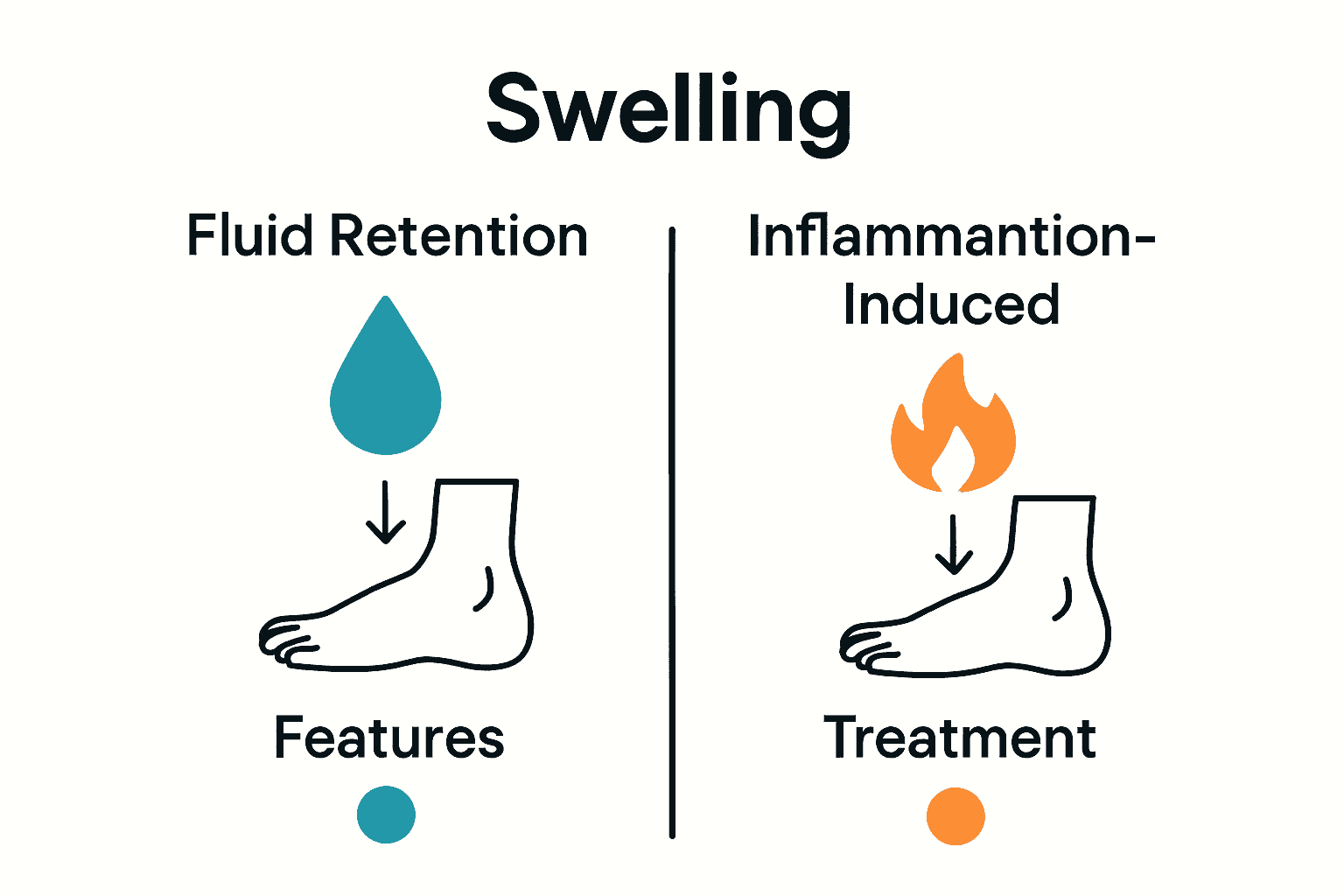
Here’s a comparison of the main types of leg swelling:
| Type of Swelling | Key Causes | Typical Features | Common Treatments |
|---|---|---|---|
| Fluid Retention Swelling | Venous insufficiency Immobility Heart failure |
Symmetrical Soft texture Improves with elevation |
Leg elevation Movement/exercise Compression stockings |
| Inflammation-Induced Swelling | Injury Infection Chronic conditions |
Localized Painful Redness or warmth |
Treat underlying cause Anti-inflammatory meds Medical intervention |
Medical Conditions Linked to Swollen Legs
Leg swelling can be a critical indicator of underlying health conditions that require careful medical attention. Mayo Clinic identifies several serious medical conditions directly associated with leg swelling, ranging from cardiovascular to systemic disorders.
Harvard Health highlights the most common medical conditions that can cause leg swelling:
-
Heart Conditions
- Congestive heart failure
- Reduced cardiac efficiency
- Impaired blood circulation
-
Organ-Related Issues
- Chronic kidney disease
- Liver disease (cirrhosis)
- Compromised organ function
-
Circulatory Problems
- Deep vein thrombosis
- Chronic venous insufficiency
- Lymphedema
Understanding the connection between these medical conditions and leg swelling is crucial for early detection and proper management. Some conditions may require immediate medical intervention, while others can be managed through lifestyle modifications and targeted treatments. To explore how compression therapy can help manage some of these conditions, check out our guide on compression therapy for edema.
Everyday Triggers and Lifestyle Factors
Leg swelling isn’t always a sign of a serious medical condition. Mayo Clinic reveals that everyday lifestyle choices can significantly contribute to fluid retention and tissue expansion in your legs.
Harvard Health highlights several common lifestyle triggers that can lead to leg swelling:
Mobility and Positioning Factors
- Prolonged sitting during travel
- Extended periods of standing at work
- Lack of regular movement
- Sedentary lifestyle
Physical Constraints
- Wearing tight clothing
- Being overweight
- Poor posture
- Inappropriate footwear
Environmental and Personal Influences
- High salt intake
- Dehydration
- Extreme temperature changes
- Hormonal fluctuations
Understanding these triggers empowers you to make proactive lifestyle modifications. Simple changes like taking regular breaks, stretching, staying hydrated, and maintaining a healthy weight can significantly reduce leg swelling. For additional insights into managing leg swelling, explore our understanding reasons for swollen ankles guide to learn more about prevention and relief strategies.
Risks, Warning Signs, and When to Seek Help
Leg swelling isn’t always a benign condition. Mayo Clinic emphasizes the critical importance of recognizing serious warning signs that demand immediate medical attention.
Harvard Health provides clear guidance on identifying potentially dangerous symptoms:
Urgent Red Flags Requiring Immediate Medical Care
- Sudden, unexplained leg swelling
- Intense, persistent pain in the swollen area
- Redness or warmth around the swollen region
- Difficulty breathing
- Chest pain accompanying leg swelling
Risk Categories Needing Professional Evaluation
- Swelling that doesn’t improve with rest
- One leg significantly more swollen than the other
- Swelling accompanied by fever
- Skin changes or discoloration
- Persistent swelling after lifestyle modifications
Trust your instincts. While not every instance of leg swelling signals a critical condition, unexplained or persistent swelling warrants professional medical assessment. For comprehensive information about managing leg health, explore our guide on understanding reasons for swollen ankles to gain deeper insights into potential causes and prevention strategies.
Treatment Approaches and Compression Therapy
Leg swelling treatment isn’t a one-size-fits-all solution. Harvard Health emphasizes a comprehensive approach that addresses both symptoms and underlying causes, focusing on multiple treatment strategies.
Mayo Clinic recommends a multi-pronged treatment approach:
Lifestyle and Dietary Modifications
- Reducing salt intake
- Maintaining proper hydration
- Regular exercise
- Weight management
- Leg elevation
Medical Interventions
- Prescription diuretics
- Treating underlying medical conditions
- Medications to improve circulation
- Addressing hormonal imbalances
- Managing chronic health issues
Compression Therapy Strategies
- Using graduated compression stockings
- Selecting appropriate compression levels
- Wearing support garments during active periods
- Targeting specific circulation challenges
Compression therapy stands out as a non-invasive, effective method for managing leg swelling.
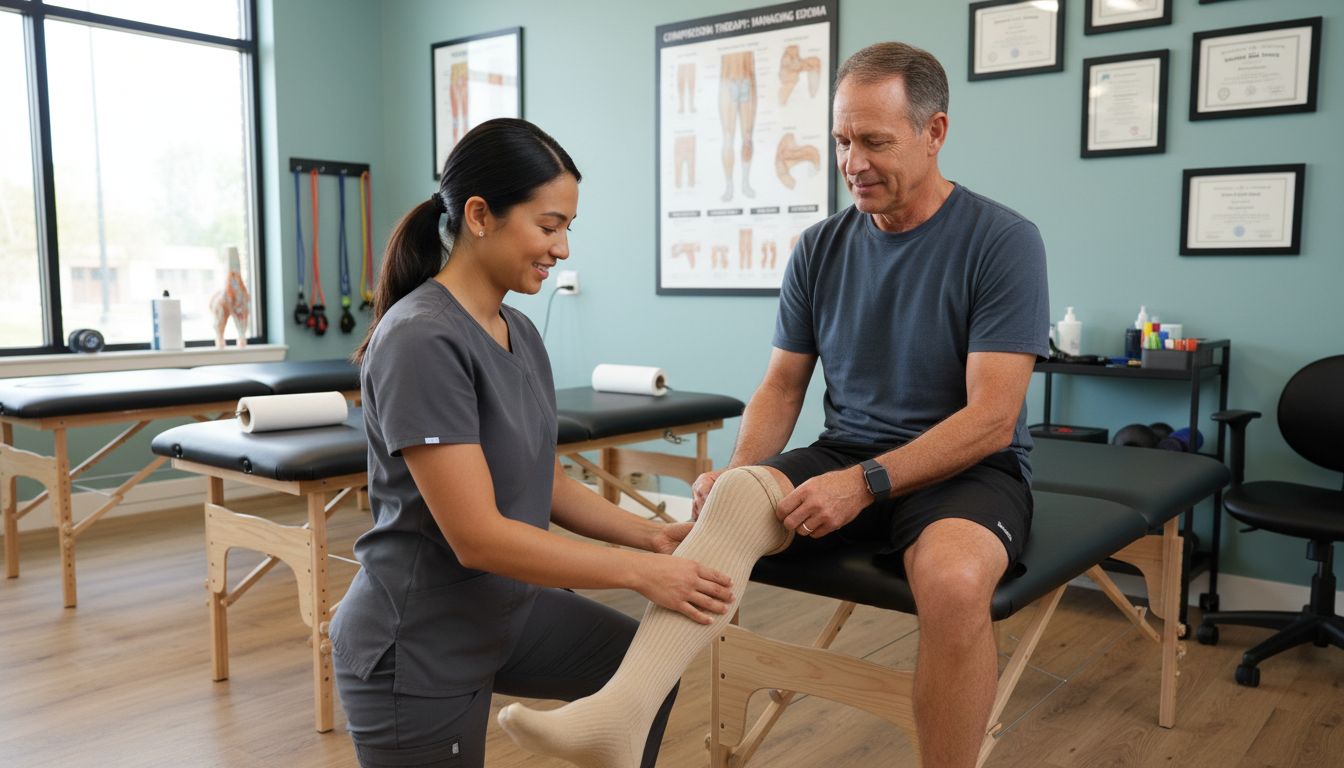 To understand the nuanced approach to selecting the right compression levels, explore our guide to understanding different compression levels for targeted leg health support.
Find Lasting Relief from Leg Swelling with Expert Compression Solutions
If leg swelling is a challenge you face regularly whether caused by fluid retention, venous insufficiency, or medical conditions like heart failure it is important to find effective care options. This article highlights how discomfort from swollen legs can impact your daily life and how managing symptoms early with proven methods like those recommended in compression therapy can restore comfort and mobility.
At Fit Stockings you can explore a carefully selected range of medical-grade compression stockings designed to support circulation and reduce swelling. From mild to firm compression levels in knee-high or thigh-high styles matched to your needs wearing the right pair can make a significant difference. Don’t let swelling hold you back from enjoying your moments. Visit Fit Stockings today and discover how you can take charge of your leg health with confidence. Start your journey by checking out our educational blog posts on understanding leg swelling at night and compression therapy for edema. Take the first step toward relief now.
Frequently Asked Questions
What are the main causes of leg swelling?
Leg swelling, or peripheral edema, can be caused by various factors including circulatory issues, heart problems, hormonal changes, prolonged standing or sitting, and other medical conditions such as lung diseases or blood clots.
How can I reduce leg swelling at home?
You can reduce leg swelling at home by elevating your legs, engaging in regular movement or exercise, wearing compression stockings, and reducing salt intake in your diet.
When should I see a doctor for leg swelling?
You should see a doctor if you experience sudden unexplained swelling, intense pain in the swollen area, difficulty breathing, or if the swelling does not improve with rest.
What is compression therapy and how does it help with leg swelling?
Compression therapy involves wearing compression stockings or support garments that apply pressure to the legs, helping to improve circulation and reduce swelling effectively.
Recommended
- Understanding Massage for Swollen Legs: A Deep Dive – Fit Stockings
- Leg Swelling During Pregnancy: Causes, Relief, and Prevention – Fit Stockings
- Understanding Reasons for Swollen Ankles and Their Impact – Fit Stockings
- Understanding Leg Swelling at Night: Causes and Effects – Fit Stockings
- Sun Spots on Legs: How to Reduce Them for Good – Claribelskincare.com