

Complete Guide to Swelling in Feet and Ankles
Swollen feet and ankles can catch anyone off guard, but this uncomfortable symptom affects up to 20 percent of older adults. What looks like simple puffiness may actually hint at more serious health concerns hidden beneath the surface. Recognizing the causes and potential warning signs is key for protecting your well-being and staying active, so understanding foot and ankle swelling can help you take better care of your health from the ground up.
Table of Contents
- Swelling In Feet And Ankles Defined
- Common Causes And Risk Factors Explained
- Signs, Symptoms, And When To Worry
- Treatment Options And Self-Care Strategies
- Role Of Compression Stockings In Recovery
Key Takeaways
| Cause or Trigger | Key Symptoms | Recommended Action |
|---|---|---|
| Fluid Retention Causes | Edema often results from various factors like prolonged sitting, obesity, or medical conditions. | Identify triggers and manage lifestyle factors for prevention. |
| Warning Signs | Symptoms such as sudden swelling, pain, or discoloration may indicate serious health issues. | Seek immediate medical attention if experiencing critical symptoms. |
| Management Strategies | Effective management combines self-care techniques and medical intervention when necessary. | Elevate legs, exercise regularly, and consult with healthcare providers for chronic issues. |
| Compression Benefits | Compression stockings can enhance circulation and reduce fluid retention in the legs. | Consider compression therapy for chronic conditions and post-surgical recovery to support healing. |
Swelling in Feet and Ankles Defined
Edema is a medical condition characterized by unusual fluid retention in body tissues, most commonly manifesting in the feet and ankles. According to Mayo Clinic, edema occurs when excess fluid becomes trapped in body tissues, creating noticeable swelling that can range from mild to severe.
The underlying mechanisms of swelling involve complex interactions between your body’s circulatory and lymphatic systems. When these systems become compromised, fluid can accumulate in specific regions instead of being efficiently processed and circulated. As Harvard Health explains, causes of edema are diverse and can include:
- Prolonged standing or sitting
- Medical conditions like venous insufficiency
- Lung diseases
- Congestive heart failure
- Kidney disorders
- Medication side effects
Swelling in feet and ankles isn’t just a cosmetic concern but can signal significant health challenges. The appearance of edema often indicates your body is experiencing disruptions in its normal fluid management processes.
While occasional, mild swelling might be harmless, persistent or severe swelling warrants professional medical evaluation to understand its root cause and potential treatment options.
Understanding the nuances of foot and ankle swelling is crucial for maintaining overall health. For more detailed insights into the reasons behind leg swelling, check out our comprehensive guide on why legs swell.
Common Causes and Risk Factors Explained
Foot and ankle swelling emerges from a complex interplay of lifestyle, medical, and physiological factors. According to Healthline, these causes range from everyday habits to more serious medical conditions, creating a nuanced landscape of potential triggers.
Lifestyle-related causes are particularly significant. Harvard Health highlights several key risk factors that contribute to swelling:
- Prolonged standing or sitting
- Obesity
- Advanced age
- Pregnancy
- Consuming high-sodium diets
Medical conditions play an equally crucial role in developing swelling. Chronic health issues like venous insufficiency, congestive heart failure, and kidney disorders can dramatically increase fluid retention. Blood clots, infections, and certain medications also contribute to unexpected swelling, transforming what might seem like a minor inconvenience into a potential health signal.
Understanding your personal risk factors is crucial. Some individuals are more predisposed to swelling due to genetic predispositions, underlying health conditions, or lifestyle patterns. By recognizing these potential triggers, you can take proactive steps to manage and potentially prevent unnecessary fluid retention. For more insights into related vascular health risks, explore our guide on varicose vein risk factors.

Here’s a comparison of common causes, key symptoms, and recommended actions for swelling in feet and ankles:
| Cause or Trigger | Key Symptoms | Recommended Action |
|---|---|---|
| Prolonged standing/sitting | Mild swelling Tired legs |
Rest Elevate legs |
| Obesity | Persistent puffiness Reduced mobility |
Weight management Exercise |
| Venous insufficiency | Shiny skin Pitting edema |
Compression stockings Medical care |
| Pregnancy | Swollen feet Occasional discomfort |
Elevate legs Hydrate |
| Heart/kidney disorders | Severe swelling Shortness of breath |
Immediate medical evaluation |
| High-sodium diet | Puffy ankles Occasional bloating |
Lower sodium intake |
| Medication side effects | Unexplained swelling | Consult healthcare provider |
| Blood clots/infection | Sudden severe swelling Redness Pain |
Urgent medical attention |
Signs, Symptoms, and When to Worry
Ankle and foot swelling presents a range of visual and physical indicators that can signal different levels of health concern. According to Mayo Clinic, the primary symptoms include noticeable puffiness or swelling in the tissue under the skin, most commonly occurring in the legs and arms.
Healthline identifies several key signs that warrant careful attention:
- Puffiness around the affected area
- Stretched or shiny skin texture
- Reduced mobility or difficulty moving the swollen region
- Skin that remains indented after pressing (pitting edema)
- Accompanying pain or discomfort
Critical warning signs demand immediate medical intervention. Sudden, severe swelling accompanied by additional symptoms like chest pain, shortness of breath, redness, or warmth could indicate serious underlying conditions. These might include deep vein thrombosis, cardiac issues, or severe inflammatory responses that require professional medical evaluation.
Personal monitoring is crucial. While occasional, mild swelling might result from long periods of standing or minor lifestyle factors, persistent or progressive swelling should never be ignored. If you experience unexplained, recurring swelling that doesn’t improve with rest or basic interventions, consulting a healthcare professional becomes essential. For additional insights into related circulatory health concerns, consider exploring our guide on blood clot symptoms.
Treatment Options and Self-Care Strategies
Comprehensive management of foot and ankle swelling requires a multifaceted approach targeting both immediate symptoms and underlying causes. According to Cleveland Clinic, effective treatment involves addressing root health issues while implementing targeted self-care interventions.
Healthline recommends several practical self-care strategies to manage and reduce swelling:
- Elevate affected limbs above heart level
- Engage in regular, low-impact physical activity
- Reduce dietary sodium intake
- Wear compression stockings for improved circulation
- Maintain a healthy body weight
- Stay hydrated
- Perform gentle stretching exercises
Medical interventions may be necessary for persistent or severe swelling. Your healthcare provider might recommend treatments ranging from prescription diuretics to addressing underlying conditions like heart, kidney, or liver disorders. These treatments aim to reduce fluid retention and improve overall circulatory health.
Lifestyle modifications play a crucial role in long-term management. Consistent exercise, balanced nutrition, and proactive monitoring can significantly reduce swelling recurrence. For individuals seeking additional support in managing circulatory health, explore our guide to mindfulness for pain management to complement your treatment strategy.
Role of Compression Stockings in Recovery
Compression therapy represents a powerful intervention for managing foot and ankle swelling, offering a proactive approach to circulatory health. According to Cleveland Clinic, compression stockings work by applying strategic pressure to the legs, promoting enhanced blood flow and preventing fluid accumulation.
The scientific benefits of compression stockings are substantial. Research from PubMed reveals key advantages across various scenarios:
- Reducing occupational edema for workers with prolonged standing
- Preventing lower limb swelling
- Supporting circulatory system functionality
- Minimizing risk of blood pooling in lower extremities
- Providing graduated pressure to support venous return
Compression stockings offer targeted support for multiple health conditions.
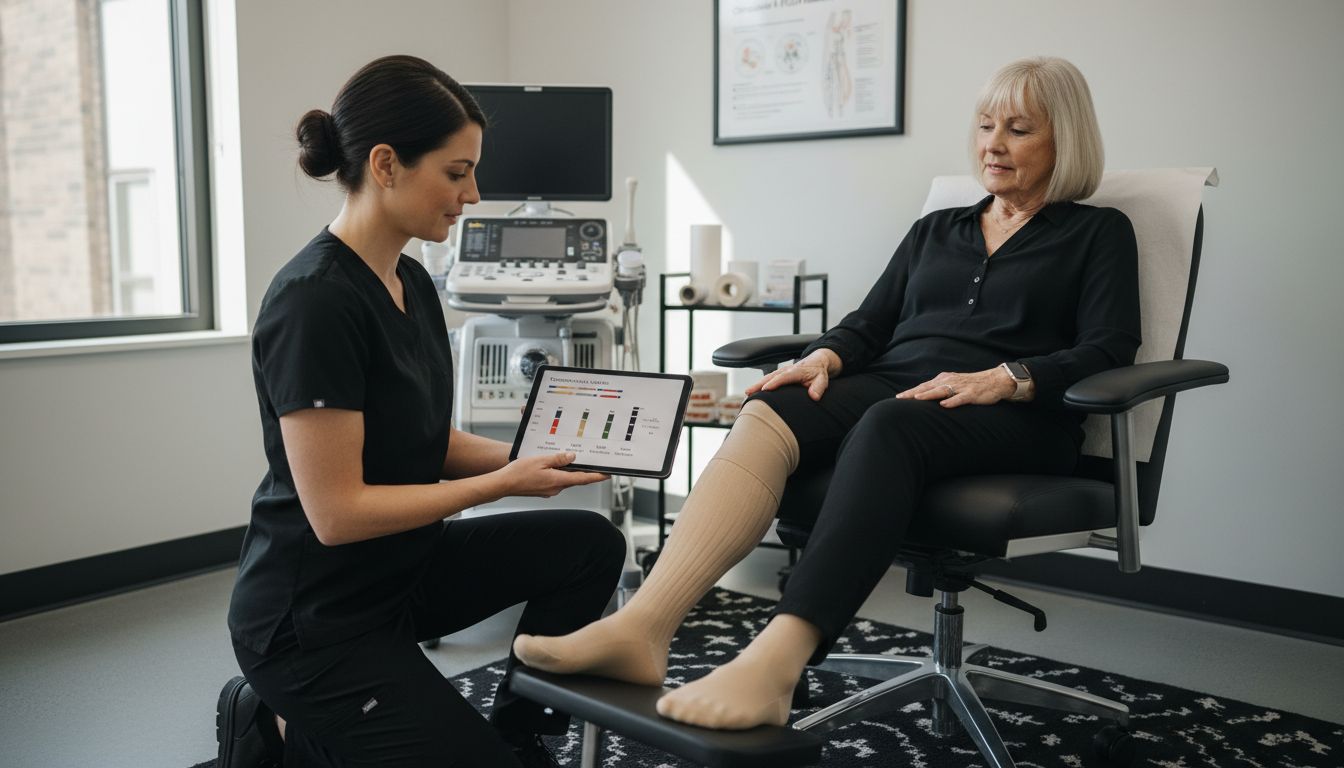 They are particularly beneficial for individuals managing chronic venous insufficiency, lymphedema, leg ulcers, and those recovering from surgical procedures. The graduated pressure design helps push accumulated fluid back toward the heart, reducing inflammation and supporting the body’s natural healing processes.
Choosing the right compression stocking is crucial for optimal recovery. Factors like pressure gradient, material, and individual health needs play significant roles in effectiveness. For a comprehensive guide to finding your perfect fit, explore our compression stockings fitting guide.
Take Control of Swelling with Expert Compression Solutions
If you are struggling with persistent swelling in your feet and ankles you understand how frustrating and uncomfortable this can be. Whether it is caused by prolonged standing, venous insufficiency, or other medical conditions, managing edema requires targeted and effective care. The article highlights the importance of addressing fluid retention and improving circulation with proven methods like compression therapy.
At Fit Stockings we specialize in medical-grade compression stockings designed to support your recovery and daily comfort. Our selection includes reliable options from trusted brands tailored to meet various needs such as pregnancy support, chronic swelling, or venous health. You can find detailed guidance on how to choose the right compression level and fit in our compression stockings fitting guide to get maximum relief.
Don’t let swelling disrupt your life any longer. Discover how wearing the right compression stockings can reduce puffiness, improve blood flow, and restore your mobility. Visit us today at Fit Stockings and take your first step toward healthier legs and better days ahead.
Frequently Asked Questions
What is edema and how does it relate to foot and ankle swelling?
Edema is a medical condition characterized by fluid retention in body tissues, often observable as swelling in the feet and ankles. It can signal underlying health issues that may require evaluation.
What are common causes of swelling in feet and ankles?
Common causes include prolonged standing or sitting, obesity, venous insufficiency, pregnancy, and high-sodium diets. Certain medical conditions and medications can also contribute to the issue.
When should I be concerned about swelling in my feet and ankles?
You should seek medical attention if you experience sudden, severe swelling along with symptoms like chest pain, shortness of breath, or if the swelling persists and does not improve with rest or self-care measures.
How can compression stockings help reduce swelling in the feet and ankles?
Compression stockings apply strategic pressure to the legs, improving blood flow and preventing fluid accumulation. They are particularly beneficial for managing conditions like chronic venous insufficiency and can aid recovery after surgery.